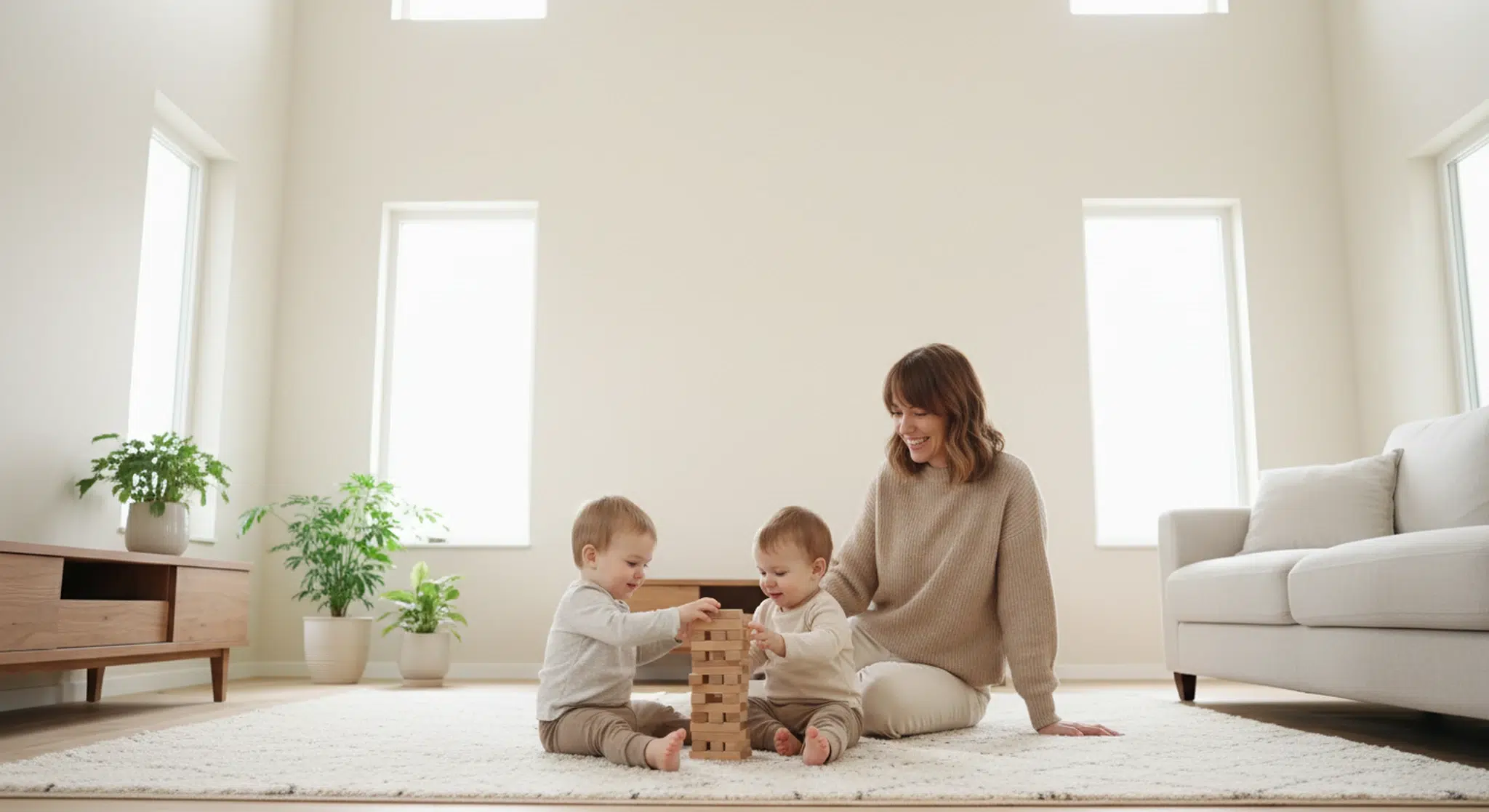
What is a play date? It is a planned, usually short get-together where one or more children play together, typically arranged by their parents or caregivers.
What is a play date, exactly? It is a planned, usually short get-together where one or more children play together, typically arranged by parents or caregivers. With babies and toddlers the adults stay and play dates are often as much about grown-up company as kid time; by school age, kids pick their own friends and may be dropped off.
Below: why play dates matter, what to expect by age, how to set one up, a first playdate checklist, etiquette and safety questions, activity ideas, and what to do when sharing, shyness or a missed nap gets in the way.
Key Takeaways
A play date is a planned, usually short get-together for children to play, arranged by parents or caregivers.
The AAP links play with peers to social, language and self-regulation skills, and suggests parent-supervised playdates for ages 1 to 3.
Toddlers mostly play side by side; real interaction and turn-taking grow through the preschool years.
Keep early play dates short, plan around naps and meals, and set a clear end time.
Ask about allergies, pets, pools, screens and whether there is an unlocked gun in the home before your child visits.
As an Amazon Associate, Betteroo earns from qualifying purchases.
Table of Contents
What Is a Play Date? The Short Answer
Quick Answer
A play date is a planned, usually short get-together where one or more children play together, typically arranged by their parents or caregivers. It can happen at home, at a park or anywhere kids can play safely, and for young children the adults usually stay. The American Academy of Pediatrics (AAP) suggests parent-supervised playdates for kids ages 1 to 3 and scheduled time with friends for ages 4 to 6.
Play date, playdate and play-date all mean the same thing. What sets it apart from bumping into friends at the playground is the planning: a time, a place and who is coming.
Why Play Dates Matter: What Kids Learn
Play is not just a break from learning. In its 2018 clinical report The Power of Play (Yogman and colleagues, published in Pediatrics), the AAP concluded that developmentally appropriate play with parents and peers supports social-emotional, cognitive, language and self-regulation skills, and that play enhances brain structure and function. Play dates are one of the easiest ways to give your child regular play with peers.
Social skills: The AAP’s HealthyChildren.org explains that play helps children learn to get along with others, and that pretend play and object play teach sharing and taking turns.
Language: Pretend play builds negotiation and communication skills, according to the AAP. Deciding who is the doctor and who is the patient takes a lot of talking.
Self-regulation: Waiting for a turn and calming down after a disagreement exercise executive function, which the AAP describes as the ability to plan, organize and regulate emotions.
Connection for you, too: For parents of babies and toddlers, a regular meetup with one or two families can make the early years feel less isolating.
Play Dates by Age: What to Expect
Age
How kids usually play
Good length to start
Group size
Under 1 year
Watching, babbling and reaching; mostly social time for parents. The AAP notes that back-and-forth babbling with adults lays the foundation for social language.
About 1 hour, planned between naps
1 or 2 other families
1 to 2 years
Mostly side by side (often called parallel play), with lots of watching and copying. Grabbing is common.
About 1 hour
1 or 2 other children
2 to 3 years
Still mostly side by side. The AAP says two-year-olds may refuse to share things that interest them, and that pushing and shoving are common and normal.
1 to 1.5 hours
2 or 3 children, as the AAP suggests
3 to 5 years
Real interaction begins: pretend play, simple games and early friendships. The CDC lists “notices other children and joins them to play” as a milestone by age 3.
1.5 to 2 hours
2 to 4 children
School age (5+)
Cooperative play with shared goals and rules; kids often choose their own friends and help plan.
2 to 3 hours, sometimes drop-off
1 to 3 friends usually works best
What to expect at play dates by age. Lengths and group sizes are practical starting points, not rules.
If your toddler plays next to a friend without much interaction, that is completely typical. Turn-taking and true group games grow over the preschool years; our guide to cooperative play walks through the stages and the ages they usually show up.
How to Set Up a Play Date
1. Pick a friend: Start with a child your kid already knows from daycare, preschool, a class, the neighborhood or a parents’ group.
2. Reach out simply: A short text works: “Would Maya like to play Saturday, 9:30 to 11?” Include the day, start and end time, place and whether parents are expected to stay.
3. Choose the time around naps and meals: Toddlers do best when they are rested and fed. Morning after breakfast or after the afternoon nap usually beats the stretch right before a nap. Check our 2-year-old sleep schedule if you are not sure when your toddler’s best window is.
4. Choose the place: A park or playground is neutral ground and takes pressure off the host. Home is easier for babies, naps and bathroom breaks.
5. Set an end time: A clear end time is a gift to both families. It is much easier to leave on a happy note when everyone knows when the fun ends.
6. Decide: stay or drop off: For babies, toddlers and most preschoolers, the parent stays. Drop-off play dates usually start in the early school years, once your child can use the bathroom independently, speak up for what they need, and the families know and trust each other.
Big days go better with a good night of sleep.
Got a little one at home too? Our free two-minute quiz builds a gentle, personalized sleep plan for babies and toddlers.
First Playdate Checklist: Before, During and After
When
What to do
Before: logistics
Confirm day, start and end time, address and parking; say whether parents stay; share your phone numbers
Before: health and food
Ask about food allergies and dietary rules; offer to bring a snack; mention if anyone is sick and reschedule if needed
Before: home safety
Ask about pets, pools and water, and supervision; ask whether there is an unlocked gun in the home (an AAP-recommended playdate question)
Before: prep your child
Talk about who is coming and what you will do; put away one or two special toys your child does not want to share
Before: setup
Choose one simple activity; childproof the play area for the youngest guest; plan a bathroom and diaper spot
During
Greet both kids; let them warm up; stay nearby and step in only when needed; offer a snack around the halfway point
During: wind down
Give a 10 minute and a 5 minute warning; do a quick cleanup together; say goodbye at the door
After
Send a quick thank-you text; mention anything that happened (a bump, a scuffle); ask your child what they liked best
A first playdate checklist for parents.
Play Date Etiquette for Hosts and Guests
Food and allergies: Always ask before offering food. If a guest has a food allergy, ask the parent what is safe, or invite them to bring the snack.
Screens: Ask before turning on shows or games; families’ screen rules differ.
Pets: Tell guests about pets ahead of time. Some kids are allergic or afraid. Supervise closely or put the pet in another room.
Guns: The AAP recommends adding a question about guns to your playdate checklist, alongside questions about pets, allergies and supervision. It advises that any gun in a home be stored locked and unloaded, with ammunition locked separately, and keys or combinations out of children’s reach. If the answer is yes, meet at your home or a park instead.
Pools and water: If there is a pool, the AAP says an adult must actively watch children at all times in the water, and infants and toddlers need touch supervision: an adult in the water within arm’s reach. A four-sided fence at least 4 feet high with a self-closing, self-latching gate should separate the pool from the house and yard. The AAP lists socializing and phones as distractions to avoid.
Driving: Only drive another family’s child if you have the right car seat or booster for them, installed correctly, and the parents agree.
Play Date Ideas by Age
Babies: Floor time on a play mat, board books, shakers, a supervised water table on a warm day. Mostly, the grown-ups chat while babies watch each other.
1 to 2 years: Bubbles, balls, push toys, stacking cups, dancing to music, and simple sensory activities for toddlers such as a bin of dry pasta or water play with cups (always supervised).
2 to 3 years:Play dough, chalk, a pretend kitchen, a box of dress-up clothes, and a short walk to look for birds or bugs. Duplicate toys (two shovels, two dolls) cut down on grabbing.
3 to 5 years: Simple crafts like salt painting, building forts, pretend play themes (doctor, store, camping), and our indoor activities for kids on a rainy day.
Virtual play dates can keep a faraway friend or cousin close. They work best for preschoolers and older kids with one shared activity, like drawing the same thing or show-and-tell, kept short.
Handling Grabbing, Hitting and Sharing
Conflict is part of every play date, especially with toddlers. It is not a sign the play date failed; it is the practice.
Grabbing: Expect it under 3. The AAP explains that two-year-olds may refuse to share and that this self-focus is typical. Offer duplicates, set a timer for turns, and help your child find something to do while they wait.
Hitting or pushing: Step in right away. The AAP advises stopping a child from hurting others, moving them away if they do not calm down quickly, acknowledging the feeling, and making clear that hitting is not acceptable.
Sharing: By age 3, children begin to take turns and share in small groups, according to the AAP, though not every time. Remind them that each child gets an equal turn, and suggest simple solutions like drawing lots for the first turn.
Name the feelings: Give your child words: “Leo is sad because the car was taken. Let’s give it back and find another one.” The AAP notes that supplying words for feelings and wants reduces frustration.
Short, calm redirects work better than lectures; see our guide to redirection techniques for scripts, and gentle parenting for staying warm while holding limits.
Play Dates for Shy Kids and Kids With Separation Anxiety
Some children dive in; others watch first. The AAP notes that highly active children who push and shove are usually just as normal as quiet, shy ones.
Let them watch: Watching is a valid way to join. Sit nearby and invite your child in without pushing.
Start small: One familiar friend, a short visit and a favorite activity give a shy child the best chance of success.
Stay close at first: For a child with separation anxiety, plan to stay for the whole visit at first. When you are ready to try drop-off, keep goodbyes short, warm and predictable. Our guide to separation anxiety in toddlers has more ideas for easing goodbyes.
If your very social child tends to take over, gently teach them to make room for a quieter friend: offer the friend first choice, or take turns picking the game.
When a Play Date Goes Wrong (and How to End on a Good Note)
Some play dates fall apart: a missed nap, two kids who do not click, constant tears. That is okay.
Try a reset first: A snack, a move outside or a calm story on the couch often rescues the last half hour.
End early if needed: “I think we’re getting tired. Let’s say goodbye and try again soon.” No blame, no apology needed beyond that.
Don’t give up: Not every pairing works. Try a different time, place or friend.
A play date does not need to be fancy to be worthwhile. Keep it short, plan around naps and meals, choose one simple activity, ask the safety questions every family deserves to ask, and expect a little conflict. Over time, those small get-togethers add up to big practice in sharing, talking and making friends.
If you notice that your preschooler rarely shows interest in other children, or you have questions about social development, bring it up at your child’s next well visit. Your pediatrician can talk through what is typical for your child’s age.
Frequently Asked Questions
What is a play date?
A play date is a planned, usually short get-together where one or more children play together, typically arranged by parents or caregivers. It can be at home, a park or another safe place. With babies and toddlers the parents usually stay, while older school-age children may have drop-off play dates once families know each other.
What age should kids start having playdates?
You can start any time. Babies under 1 enjoy watching other children, and these early meetups are often mostly for the parents. The American Academy of Pediatrics suggests parent-supervised playdates for children ages 1 to 3 and scheduling time with friends for ages 4 to 6 so kids can practice socializing and build friendships.
How long should a playdate last?
For babies and young toddlers, about an hour is a good start. Many 2 and 3 year olds do well with 1 to 1.5 hours, preschoolers with up to 2 hours, and school-age kids with 2 to 3 hours. Set a clear end time and plan around naps and meals so everyone leaves before they get tired.
Do parents stay at playdates?
For babies, toddlers and most preschoolers, yes, the parent usually stays. Drop-off playdates tend to start in the early school years, when a child can use the bathroom independently and speak up for what they need, and when the families know and trust each other. When in doubt, ask the host what they expect.
What do you do on a playdate?
Plan one simple, open-ended activity that fits the children’s ages, such as bubbles and balls for toddlers, play dough or pretend play for preschoolers, or outdoor games and board games for school-age kids. Offer a snack partway through. Let the children lead the play as much as possible, and step in only to keep things safe and kind.
What questions should I ask before a playdate?
Ask about food allergies and dietary rules, pets, whether there is a pool and who will supervise, screen rules, and whether parents should stay. The American Academy of Pediatrics also recommends asking whether there is an unlocked gun in the home. Confirm the address, start and end time, and phone numbers too.
Gentle changes, peaceful nights.
Betteroo builds a personalized sleep plan for your baby or toddler. Take the free two-minute quiz to get started.
Yogman M, Garner A, Hutchinson J, Hirsh-Pasek K, Golinkoff RM, et al. The Power of Play: A Pediatric Role in Enhancing Development in Young Children (AAP clinical report). Pediatrics. 2018;142(3):e20182058. PubMed. https://pubmed.ncbi.nlm.nih.gov/30126932/