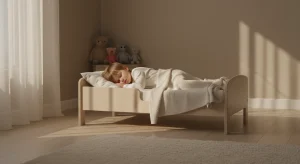
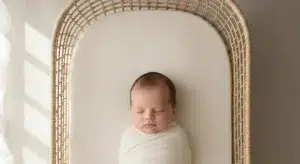
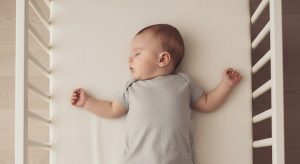
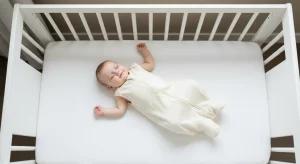
A baby sleeping pillow may look cozy, but pillows are not safe for babies: the American Academy of Pediatrics advises keeping every kind of pillow out of the sleep space for at least the first 12 months.
That includes the products made and marketed for infants, such as head-shaping pillows, wedges, nests, and anti-roll positioners. Federal safety agencies have warned parents about each of them.
This guide explains why a pillow for babies is risky, what the FDA and CPSC have said about specific products, what to do about flat spots, reflux, and stuffy noses instead, and when your child can finally have a pillow.
Key Takeaways
No pillows of any kind in a baby’s sleep space for at least the first 12 months.
The FDA warned in 2022 against infant head-shaping pillows, and both the FDA and CPSC warn against sleep positioners.
Wedges and inclines do not help reflux and are not safe for sleep.
Flat spots usually improve with tummy time, position changes, and time.
Most experts suggest waiting until at least age 2 before offering a small, firm toddler pillow.
Table of Contents
Are Baby Sleeping Pillows Safe?
Quick Answer
No. A baby sleeping pillow is not safe for sleep at any point in the first 12 months. The American Academy of Pediatrics says to keep pillows and pillow-like items out of a baby’s sleep space, and the FDA and CPSC have both warned against pillow products marketed for infants.
Search for “baby sleeping pillow” or “pillow for babies” and you will find hundreds of products: head-shaping pillows, wedges, nests, loungers, and anti-roll positioners. Many look soft, medical, and reassuring. None of them belong in a crib or bassinet with a sleeping baby.
The AAP’s safe sleep policy lists the items to keep out of the sleep space: pillows and pillow-like toys, quilts, comforters, mattress toppers, non-fitted sheets, blankets, toys, and bumper pads. Babies should sleep on their backs on a firm, flat surface with a fitted sheet and nothing else.
Why Pillows Are Dangerous for Babies
A pillow is harmless to an adult because we can lift and turn our heads without thinking. Young babies cannot reliably do that. The risks include:
Suffocation: a soft surface can mold around a baby’s nose and mouth and block breathing.
Rebreathing: with their face against soft fabric, a baby can breathe back in the air they just breathed out, which is low in oxygen.
Airway position: propping a baby’s head forward can push the chin toward the chest and narrow the small, soft airway.
Rolling and wedging: a baby can roll off a pillow or positioner and become trapped against it or against the side of the crib.
Overheating: soft padding around the head traps heat, and overheating is a known risk factor for SIDS.
Soft bedding is one of the most common factors in sleep-related infant deaths. That is why a bare crib is the single most consistent piece of safe sleep advice.
Types of Baby Pillows and What Experts Say
Product
What it claims
What experts say
Head-shaping pillow
Prevents or fixes a flat spot
The FDA warned parents in November 2022 not to use them. They are not FDA-approved and can cause suffocation.
Sleep positioner / anti-roll pillow
Keeps baby on their back or side
The FDA and CPSC warn against them because of suffocation risk.
Wedge pillow
Eases reflux or congestion
The AAP does not recommend raising the head of the crib or using wedges. They do not reduce reflux and are not safe for sleep.
Lounger or baby nest
A cozy place to rest
Not for sleep. A federal standard for infant support cushions was approved in 2024 after dozens of deaths.
Nursing pillow
Supports feeding
Fine for feeding while you are awake. Never for propping or sleep.
Crib or toddler pillow
Comfort
Wait until your child is past 12 months at the very least. Most experts suggest age 2 or later.
Common types of baby pillows and what safety agencies say about each.
The Consumer Product Safety Commission groups loungers, head positioner pillows, sleep positioners, anti-rollover pillows, wedges, and similar items as “infant support cushions.” When it approved a federal safety standard for them in October 2024, the agency reported 79 infant deaths and 124 injuries linked to these products from 2010 through 2022, most in babies younger than 3 months. Its advice to parents: never use them for sleep or naps, stay with your baby whenever one is in use, place it only on the floor, and move a sleeping baby to a crib, bassinet, or play yard.
Tired nights don’t have to last forever.
Our free two-minute quiz builds a gentle, personalized sleep plan for your baby’s age and temperament.
A flat spot on the back or side of the head, called positional plagiocephaly, is common and is the main reason parents look for a baby pillow. It happens because babies spend a lot of time on their backs and their skulls are soft.
In its 2022 safety communication, the FDA said infant head shaping pillows can create an unsafe sleep environment and may contribute to suffocation and death, and that their safety and effectiveness have not been established. The agency told parents who own one to throw it away instead of passing it on. It also noted that flat head syndrome usually goes away on its own as a baby grows, is not painful, and does not cause developmental problems.
What does help:
Tummy time: supervised, awake tummy time every day, starting in the first weeks. See our tummy time by age guide.
Switch directions: alternate which end of the crib your baby’s head is at, so they turn to look at the room in both directions.
Hold and carry: time upright in your arms or a carrier takes pressure off the back of the head.
Limit container time: keep time in car seats, swings, and bouncers to what is needed.
Ask early: if the flat spot is getting worse, or your baby always tilts their head one way, ask your pediatrician about physical therapy or a helmet.
Pillows for Reflux or a Stuffy Nose
It seems logical that raising a baby’s head would help with spit-up or congestion. The evidence says otherwise. The AAP states that elevating the head of the crib is not effective for reducing reflux and can be unsafe, because a baby can slide down into a position that restricts breathing. Inclined sleepers with an angle of more than 10 degrees are banned in the United States.
For reflux: hold your baby upright for 20 to 30 minutes after feeds, offer smaller and more frequent feeds, and burp well. Then place them flat on their back to sleep. Healthy babies clear their airways and do not choke more on their backs. More in our guide to baby reflux and sleep.
Not during the first year. The AAP’s bare-crib advice applies for at least the first 12 months. After that, a pillow is still not something a toddler needs. Their heads are proportionally large and their necks short, so sleeping flat keeps the spine and airway in a neutral position.
Most experts suggest waiting until at least age 2, and the natural moment is the move from a crib to a bed. When you do introduce one, choose a small, firm, low pillow made for toddlers, not an adult or decorative pillow. Our guide to choosing a toddler pillow covers timing and sizing in detail.
Safe Alternatives That Help Babies Sleep Comfortably
Parents usually reach for a pillow because they want their baby to be comfortable. These options do that job safely:
A firm, flat mattress: it feels hard to adults, but it is right for a baby. See our crib mattress picks.
A swaddle or sleep sack: a snug swaddle for newborns who are not yet rolling, then a wearable blanket. See how to swaddle a baby.
The right room temperature: a comfortably cool room and one more layer than you are wearing.
White noise: steady, low sound can help babies settle and stay asleep.
A pacifier: offering one at sleep time is linked to a lower risk of SIDS.
A calming routine: a feed, a cuddle, a song, and into the crib drowsy.
A bare sleep space can look stark. It is also exactly what keeps your baby safe. Our safe sleep environment guide shows what a complete setup looks like.
Is It Okay to Use a Baby Pillow While Awake?
Some pillow products have a place when your baby is awake and you are right there:
A nursing pillow can support your arms during feeds. Move your baby off it when the feed ends.
A small tummy time pillow or rolled towel under the chest can make tummy time easier for a few minutes.
A lounger can hold an awake baby on the floor while you sit beside them.
Follow the same rules each time: stay within arm’s reach, keep the product on the floor and never on a bed or sofa, and move your baby to a flat, bare sleep surface the moment they start to doze.
Call your pediatrician if you notice a flat spot that is getting more pronounced, if your baby strongly prefers turning their head to one side, if reflux comes with poor weight gain, forceful vomiting, or pain during feeds, or if congestion makes it hard for your baby to breathe or feed.
Seek emergency care if your baby is working hard to breathe, has pauses in breathing, or has a blue or gray color around the lips. Do not use a pillow, wedge, or positioner to manage any of these on your own.
Frequently Asked Questions
Is a baby sleeping pillow safe?
No. Pillows are not safe for babies to sleep on. The American Academy of Pediatrics advises keeping pillows and all soft objects out of the sleep space for at least the first 12 months because of the risk of suffocation and SIDS.
When can babies sleep with a pillow?
Not before 12 months. Most experts suggest waiting until at least age 2, often when a child moves from a crib to a bed, and then choosing a small, firm toddler pillow.
Are head-shaping pillows safe for babies?
No. In November 2022 the FDA warned parents not to use infant head-shaping pillows. They are not FDA-approved, their benefit is unproven, and they can create an unsafe sleep environment.
Can I use a pillow for babies with reflux?
No. The AAP does not recommend wedges, pillows, or raising the head of the crib for reflux. Hold your baby upright after feeds, then place them flat on their back to sleep.
Do babies need a pillow to prevent a flat head?
No. Flat spots usually improve on their own. Daily tummy time, changing your baby’s head position, and limiting time in car seats and swings help. Ask your pediatrician if it is getting worse.
Can a baby nap on a nursing pillow or lounger?
No. Nursing pillows and loungers are for awake, supervised use only. If your baby falls asleep on one, move them to a crib, bassinet, or play yard.
Calmer days, better nights.
Betteroo builds a personalized sleep plan for your baby. Take the free two-minute quiz to get started tonight.