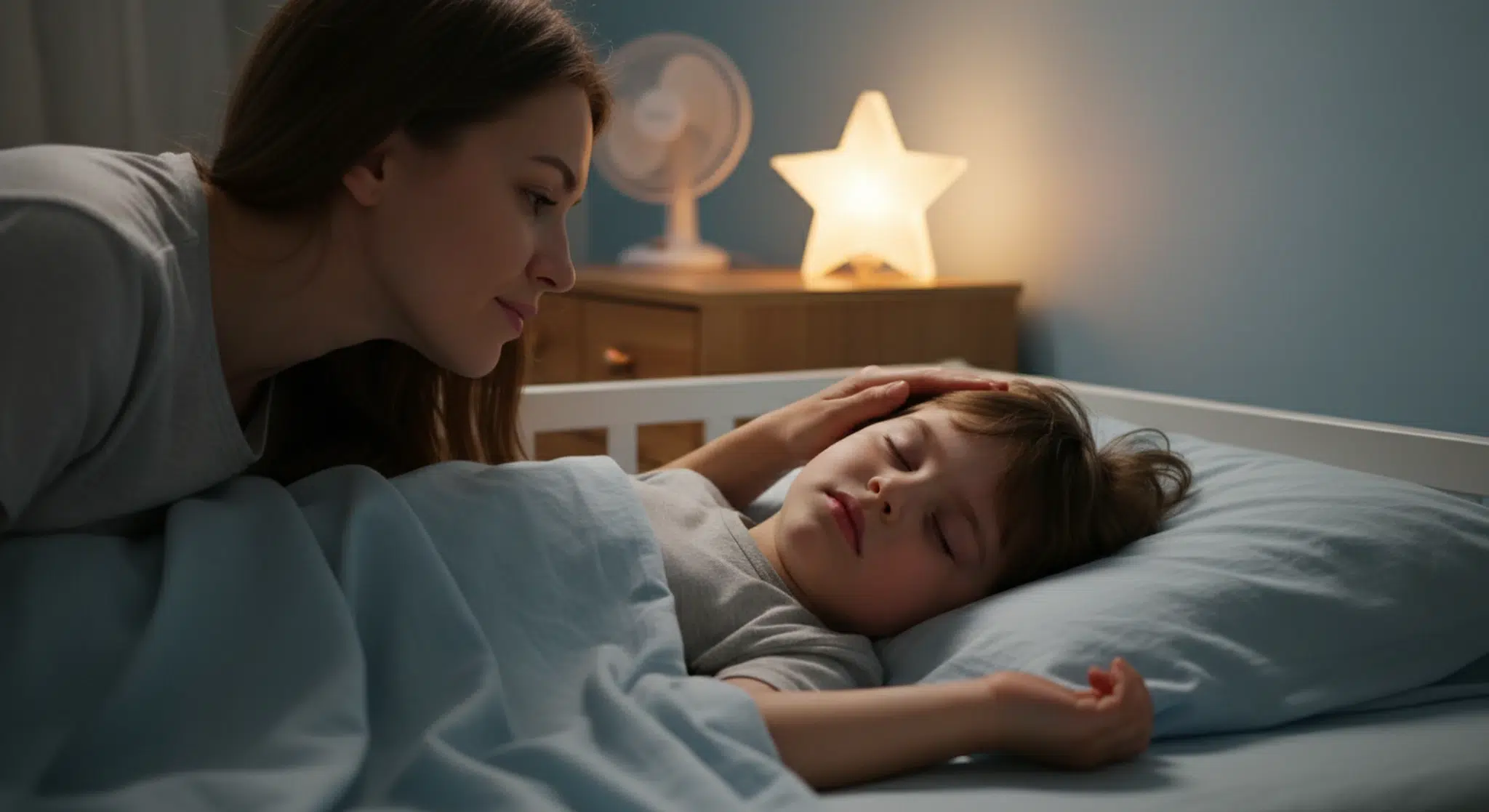
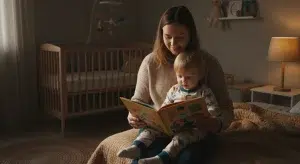
You go in to check on your child and find their hair plastered to their head and the pillow damp. It is alarming, but usually not a sign of anything serious.
Night sweats in children are common, and most often they come down to an overheated room, heavy pajamas, or a passing fever. Sometimes they are a clue to something worth treating, like snoring and sleep apnea or allergies, and very rarely they are part of a more serious illness.
This guide explains why kids sweat at night, the common causes, the warning signs that mean you should call your pediatrician, and practical ways to help your child sleep cooler and drier.
Key Takeaways
About 1 in 8 school-age children has night sweats weekly; they are more common in boys and younger kids.
Most night sweats come from overheating, fever, or heavy bedding and improve when you cool things down.
Snoring, pauses in breathing, and restless sleep with night sweats can point to sleep apnea, which is treatable.
Call the doctor if sweats come with ongoing fever, weight loss, swollen glands, a lasting cough, or fatigue.
Cool the room, use breathable pajamas, and keep a sweat diary before any appointment.
Table of Contents
What Counts as Night Sweats in Children?
Night sweats are episodes of heavy sweating during sleep, enough to dampen or soak your child’s pajamas, hair, pillow, or sheets, even when the room is not especially warm. Occasional sweaty nights in a hot room are not night sweats in the medical sense.
Night sweats in children are surprisingly common. In a large study of more than 6,000 primary school children in Hong Kong, about 12 percent had night sweats at least weekly over the previous year. They were more common in boys and in younger children, and they were linked with allergic rhinitis, tonsillitis, symptoms of obstructive sleep apnea, insomnia, and other sleep disturbances.
Why Do Kids Sweat More at Night?
Children spend more of the early night in deep sleep than adults do, and the body sheds heat as it settles into sleep. Add warm pajamas, a heavy comforter, a stuffed-animal pile, and a warm bedroom, and many kids simply overheat. The head, neck, and back are the usual sweaty spots.
Most of the time, a sweaty child who is otherwise healthy, growing well, energetic during the day, and not snoring or unwell has a harmless, environmental cause.
Common Causes of Night Sweats in Children
Cause
What you might notice
Overheating
Warm room, heavy bedding or pajamas; improves when you cool things down
Fever or infection
Sweating as a fever breaks, often with a cold, flu, or other illness
Sweating, fast heartbeat, and crying during a scary dream or terror episode
Hormonal changes
Puberty can bring more sweating and body odor
Medications
Some medicines list sweating as a side effect; sweating can also follow a dose of fever reducer as the temperature falls
Stress or anxiety
Worries at bedtime, trouble falling asleep
Common reasons children sweat at night.
A note on hyperhidrosis: many children and teens with primary hyperhidrosis (excess sweating of the hands, feet, or underarms, often running in families) sweat heavily during the day, and that type of sweating usually calms down during sleep. Heavy sweating that happens mainly at night therefore points toward other causes, like the ones in the table above.
Snoring, Sleep Apnea and Night Sweats
Of all the possible causes, sleep-disordered breathing deserves special attention because it is common and treatable. When a child’s airway partly closes during sleep (often because of large tonsils and adenoids), the body works harder to breathe, which can trigger sweating and restless sleep.
Snoring most nights of the week
Pauses, gasps, or snorts during sleep
Sleeping with the mouth open or the neck extended
Restless sleep and unusual positions
Bedwetting after being dry
Daytime tiredness, crankiness, or trouble focusing
If you notice these along with night sweats, talk to your pediatrician. Treating sleep apnea often improves sleep, behavior, and the sweating. See our guide to night terrors in toddlers too, since poor sleep quality can make night terrors more likely.
Tired nights don’t have to last forever.
Our free two-minute quiz builds a gentle, personalized sleep plan for your baby’s age and temperament.
It is natural to worry about serious illness, and search results often mention it. Serious causes of night sweats in children are rare, and they almost always come with other signs. Doctors think about conditions such as tuberculosis and other infections, an overactive thyroid, low blood sugar at night, heart problems in babies, and, very rarely, cancers like lymphoma or leukemia.
The key difference is that these conditions do not usually cause night sweats alone. Look for the warning signs below.
When to Call the Doctor About Night Sweats
Call your pediatrician if night sweats come with any of these:
Fever that lasts more than a few days or keeps coming back
Unexplained weight loss or a drop in appetite
Swollen lymph nodes in the neck, armpits, or groin that stay swollen
Unusual tiredness, paleness, or easy bruising
A cough that lasts more than a few weeks
Loud snoring with pauses in breathing
Sweating during feeds, fast breathing, or poor weight gain in a baby
Drenching sweats most nights that do not improve after you cool the room
Keep a simple diary for a week or two before the visit: how often it happens, what time, the room temperature, what your child wore, and any snoring or illness. It makes the appointment far more useful.
How to Help a Child Who Sweats at Night
Cool the room: Many families find about 68 to 72°F comfortable for sleep. A fan helps air circulate.
Choose breathable layers: Light cotton or moisture-wicking pajamas and a lighter blanket they can kick off.
Clear the bed: Fewer stuffed animals and pillows means less trapped heat.
Keep a spare set nearby: Clean pajamas and a towel make middle-of-the-night changes quick.
Offer water: Encourage drinking during the day and a small drink at bedtime.
Calm the bedtime routine: A predictable, relaxing routine can help if worries or nightmares play a role. Our toddler bedtime routine is a good starting point.
Treat the cause: Managing allergies, treating a fever, or addressing snoring often solves the sweating.
Night Sweats in Babies and Toddlers
Babies and toddlers sweat easily during sleep, especially on the head, because they spend lots of time in deep sleep and are often dressed too warmly. For babies, overheating is also a safe sleep concern: the AAP advises dressing babies in no more than one extra layer than an adult would wear, and keeping the crib free of blankets, pillows, and bumpers.
This guide is for general information and is not a substitute for medical care. If your child’s night sweats are frequent, drenching, or come with fever, weight loss, swollen glands, snoring with pauses in breathing, or any symptom that worries you, see your pediatrician. They can examine your child, ask about sleep and growth, and decide whether any tests are needed.
Frequently Asked Questions
Is it normal for a child to sweat at night?
Yes. Night sweats are common in children, especially younger kids and boys. Most cases are caused by a warm room, heavy pajamas or bedding, or a fever, and they stop once the cause is addressed.
When should I be concerned about my child’s night sweats?
Call your pediatrician if night sweats come with fever lasting more than a few days, unexplained weight loss, swollen lymph nodes, unusual tiredness or bruising, a cough lasting weeks, or loud snoring with pauses in breathing.
Can a virus cause night sweats without a fever?
Sweating is most common when a fever breaks, but children fighting off a cold or other virus can sweat at night even when their temperature is only mildly raised. If sweats persist after the illness passes, check in with your doctor.
Can sleep apnea cause night sweats in children?
Yes. Children with obstructive sleep apnea work harder to breathe during sleep, which can cause sweating. Snoring, pauses in breathing, mouth breathing, and daytime tiredness are other signs to mention to your pediatrician.
How can I stop my child from sweating at night?
Keep the bedroom cool, dress your child in light, breathable pajamas, use a lighter blanket, clear extra stuffed animals from the bed, and treat any underlying cause such as allergies or snoring.
Calmer days, better nights.
Betteroo builds a personalized sleep plan for your baby. Take the free two-minute quiz to get started tonight.
So HK, Li AM, Au CT, et al. Night sweats in children: prevalence and associated factors. Arch Dis Child. 2012;97(5):470-473. https://pubmed.ncbi.nlm.nih.gov/21427123/