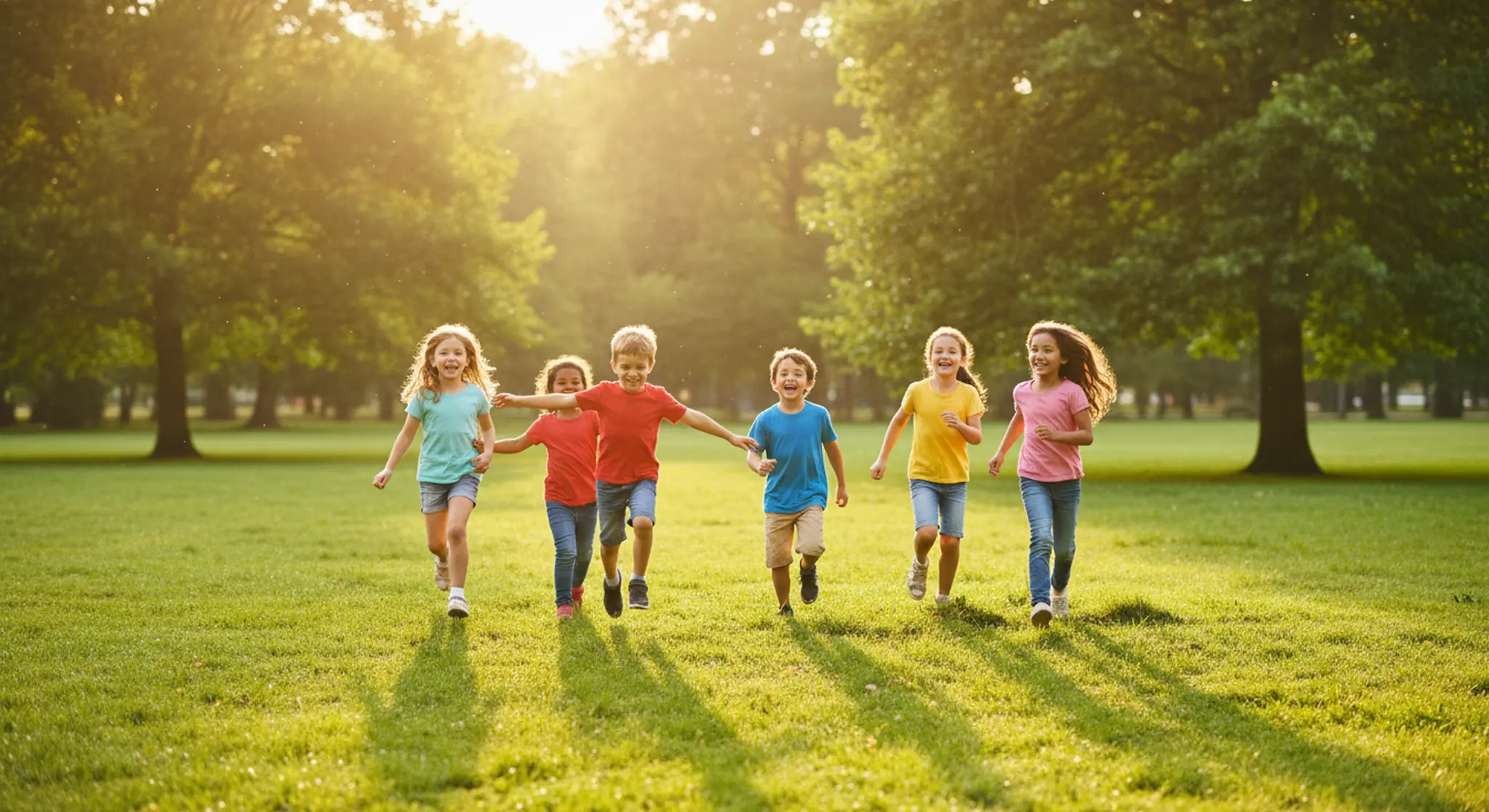
Children aged six to seventeen need at least sixty minutes of physical activity a day, and it works best when it feels like play. From animal walks and dance parties to tag, bike rides, and simple bodyweight workouts, here are fun kids fitness activities for every setting.
Getting kids moving is one of the best things you can do for their bodies and minds, but it should never feel like a workout they dread. The secret to raising an active child is simple: make movement fun, varied, and social, and the exercise takes care of itself. An hour of play does far more good than an hour of reluctant drills.
This guide covers how much physical activity children actually need by age, plus a big menu of fun fitness activities for indoors and out, kid-friendly workouts that use only body weight, and practical tips to keep movement joyful rather than a chore. We will also look at why daily activity supports focus, mood, and sleep.
Key Takeaways
Kids aged 6 to 17 need at least 60 minutes of moderate-to-vigorous activity daily; younger children need even more play.
The daily hour does not have to happen all at once, so short bursts of active play add up.
Indoor options like animal walks, obstacle courses, and dance parties beat bad weather.
Outdoor games like tag, biking, and ball sports make the daily hour easy and fun.
Kids need only their own body weight for strength; keep workouts playful and praise effort over winning.
Table of Contents
How Much Physical Activity Do Kids Need?
Health authorities give clear, encouraging targets. Children and teens aged six to seventeen need at least sixty minutes of moderate-to-vigorous physical activity every day, according to the U.S. Physical Activity Guidelines and the CDC. Most of that hour should be aerobic, the kind that gets them breathing harder, with muscle-strengthening and bone-strengthening activity woven in at least three days a week.
Younger children need even more movement, though it looks different. Preschoolers aged three to five should be active throughout the day through play, and the World Health Organization suggests toddlers and preschoolers get at least 180 minutes of physical activity spread across the day. The good news is that the sixty-minute goal does not have to happen all at once. Short bursts of running, climbing, and active play add up, so think in movement snacks rather than a single workout.
Fun Indoor Fitness Activities
When the weather keeps everyone inside, you can still burn plenty of energy in a living room or hallway. Clear a safe space, put on some music, and turn exercise into a game. These work brilliantly for rainy days and small apartments alike.
Animal walks: bear crawls, crab walks, frog jumps, and bunny hops across the room
Indoor obstacle course built from cushions, chairs, and painter’s tape lines to jump over
Dance parties and freeze dance, where everyone stops when the music pauses
Balloon keepy-uppy, trying to keep a balloon off the floor using only hands, then only feet
Simon Says with jumping jacks, hops, and stretches, which sneaks in exercise and listening skills
Outdoor play is the easiest way to hit that daily hour, because running, chasing, and climbing barely feel like exercise. A backyard, park, or quiet street gives children the space to move at full speed, which is exactly what growing bodies need.
Tag and its many variations: freeze tag, shadow tag, and octopus keep everyone sprinting
Riding a bike, scooter, or skateboard builds leg strength and balance
Ball games like soccer, kickball, catch, and basketball develop coordination and teamwork
Jump rope, hopscotch, and relay races for classic, high-energy fun
Nature scavenger hunts and hikes that turn a walk into an adventure
You will find even more options in our outdoor games for kids guide. The goal is simply to get outside and move, so follow your child’s interests rather than forcing a particular sport.
Kid-Friendly Workouts and Exercises
Older children who like a bit of structure can enjoy a short, playful workout. Keep it bodyweight-only, focus on good form over speed, and frame it as a challenge or a game rather than a chore. A five to ten minute circuit is plenty and can be repeated a couple of times.
Jumping jacks, high knees, and running in place for a quick aerobic burst
Bodyweight strength moves like squats, wall push-ups, lunges, and planks held for a few seconds
Kids’ yoga poses such as tree, downward dog, and cobra for balance and flexibility
Hopping, skipping, and single-leg balances that build bone strength and coordination
A simple circuit: thirty seconds of each move, a short rest, then repeat
Children do not need weights, and heavy lifting is not recommended for young kids. Their own body weight provides all the resistance they need to grow strong safely.
Making Fitness Fun, Not a Chore
The single biggest predictor of whether a child stays active is whether they enjoy it. Push too hard or make movement feel like punishment, and kids tune out. Keep it playful, varied, and social, and they will come back for more on their own.
Follow their interests: a child who hates soccer might love dance, climbing, or swimming
Move together as a family, since children copy what they see the adults around them doing
Mix it up often so novelty keeps things exciting, rotating games week to week
Praise effort and fun over winning or performance
Limit screen time to leave room in the day for active play
Older kids keep you busy by day, little ones keep you up at night.
If a younger sibling is still fighting sleep, our free two-minute quiz builds a personalized plan.
Regular physical activity does far more than build muscle. It strengthens the heart and bones, supports a healthy weight, and sharpens focus, memory, and mood. Active children tend to concentrate better in school and feel calmer and more confident, and the habits they build young often carry into adulthood.
Movement also protects sleep. Children who are physically active through the day generally fall asleep faster and sleep more deeply, provided the vigorous play winds down well before bedtime. If your family is working on better nights, daily active play is one of the most effective and enjoyable tools you have.
Balancing Activity, Rest, and Screens
Physical activity, good sleep, and limited screen time work together, and health guidelines treat them as a package for a reason. A child who moves plenty during the day, powers down screens in the evening, and keeps a consistent bedtime is set up to feel and function at their best. When one of these slips, the others often wobble too.
If your active child still struggles to settle at night, look at the timing of vigorous play and screens rather than cutting back on movement itself. Winding down with a calm routine after an energetic day usually does the trick. Our guide to bedtime routines can help you find the right balance between active play, rest, and screens.
Frequently Asked Questions
How much exercise should a child get each day?
Children and teens aged six to seventeen should get at least sixty minutes of moderate-to-vigorous physical activity every day, with muscle-strengthening and bone-strengthening activities included at least three days a week. Preschoolers aged three to five should be active throughout the day, and guidance suggests toddlers and preschoolers aim for around 180 minutes of movement spread across the day. The daily hour can be broken into shorter bursts of play.
What are good indoor fitness activities for kids?
Great indoor options include animal walks such as bear crawls and crab walks, an obstacle course built from cushions and tape lines, dance parties, freeze dance, balloon keepy-uppy, and Simon Says using jumping jacks and hops. These burn energy in a small space and work well on rainy days. Clearing a safe area and adding music turns any living room into an active play zone.
How can I get my child to exercise if they do not like sports?
Focus on movement they enjoy rather than a specific sport. A child who dislikes soccer might love dancing, climbing, swimming, biking, or martial arts. Move together as a family, keep it playful and varied, praise effort over performance, and rotate activities to keep things fresh. When exercise feels like fun and connection rather than a chore, kids are far more likely to stick with it.
Is it safe for kids to do workouts?
Yes, when workouts use only body weight and focus on good form and fun rather than heavy lifting. Bodyweight moves like squats, wall push-ups, lunges, planks, and kids’ yoga are all safe and effective, and a short five to ten minute circuit is plenty. Young children do not need weights, since their own body provides all the resistance they need to build strength safely.
Does physical activity help kids sleep better?
Generally yes. Children who are active during the day tend to fall asleep faster and sleep more deeply, as long as vigorous play winds down well before bedtime. Regular movement also supports focus, mood, and a healthy weight. If an active child still struggles to settle, look at the timing of intense play and screens in the evening rather than reducing daytime activity.
Fun for them, rest for you.
Betteroo helps the whole family sleep better. Take the free two-minute quiz for a plan tailored to your child.