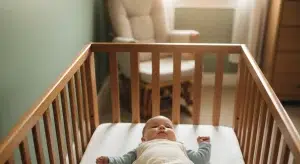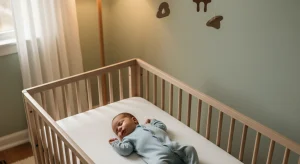


The ideal room temperature for a baby to sleep is around 68 to 72 degrees Fahrenheit, or about 20 to 22 degrees Celsius, a comfortably cool range that lowers the risk of overheating while keeping your baby cozy in appropriate sleepwear.
Getting the nursery temperature right is one of those small details that makes a real difference to safe, settled sleep. Too warm is the bigger concern, since overheating is a known risk factor for sleep related infant death, but you also do not want your baby uncomfortably cold.
This guide gives you the target range, how to measure and adjust it, what to dress your baby in at different temperatures, and the signs that tell you your baby is too hot or too cold.
Key Takeaways
- Aim for a room temperature of about 68 to 72 degrees Fahrenheit for sleep.
- Overheating is a safety concern, so err on the cooler side rather than too warm.
- Dress your baby in about one more layer than you would wear to be comfortable.
- Check your baby’s warmth at the chest or back of the neck, not the hands and feet.
- Use a room thermometer, and adjust with sleepwear layers rather than blankets.
As an Amazon Associate, Betteroo earns from qualifying purchases.
Table of Contents
The Ideal Temperature Range
Most pediatric guidance points to a nursery temperature of roughly 68 to 72 degrees Fahrenheit, which is about 20 to 22 degrees Celsius. This range is comfortable for a lightly dressed baby and helps avoid the overheating that is linked to a higher risk of sleep related death.
You do not need to hit an exact number. Think of it as a comfortable, slightly cool room, the kind of temperature at which a lightly dressed adult would feel just right. If the room drifts a little warmer or cooler, you adjust what your baby wears rather than piling on bedding.
How to Measure and Adjust the Temperature
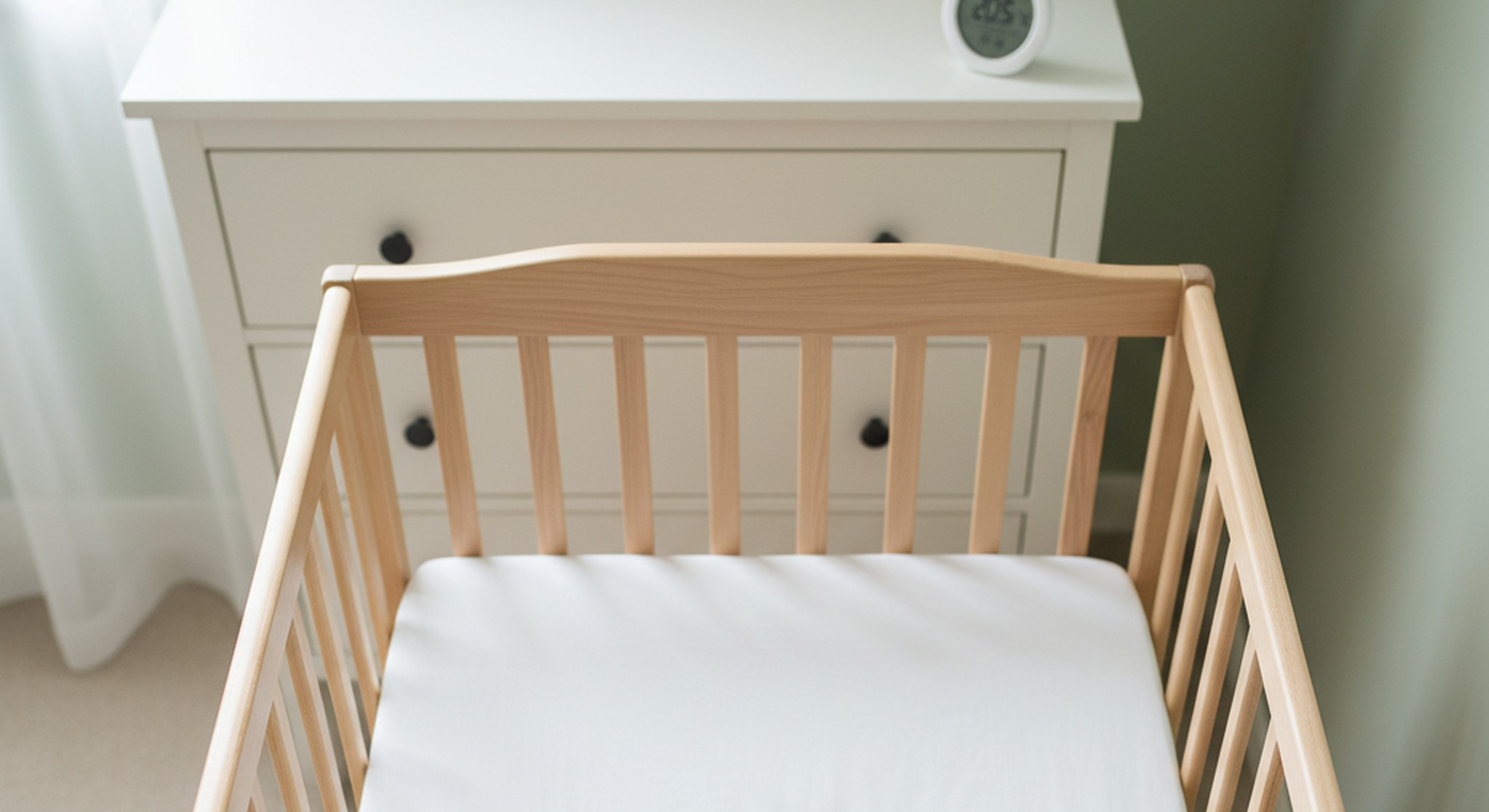
A simple room thermometer, including the one built into many baby monitors, takes the guesswork out of it. Place it away from direct sun, radiators, and drafts so you get an accurate reading of the room your baby actually sleeps in.
Adjust the room with the tools you already have. In summer, a fan can help air circulate, which some research associates with safer sleep, just keep it pointed away from the crib rather than directly on your baby. In winter, avoid placing the crib right next to a radiator or in a cold draft, and use a warmer sleep sack instead of adding blankets.
- Use a room thermometer or monitor to track the actual temperature.
- Keep the crib away from direct sun, radiators, vents, and drafts.
- Use a fan for air circulation in warm weather, aimed away from the crib.
- In cold weather, choose a higher TOG sleep sack rather than adding a blanket.
Struggling with your baby’s sleep?
A personalized plan meets your baby where they are, at every age and stage.
What to Dress Your Baby In
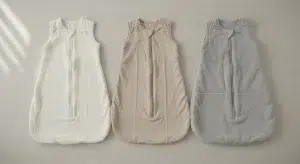
The safest way to keep your baby at a good temperature is through layers of sleepwear, not loose bedding. A common guideline is to dress your baby in one more layer than you would need to be comfortable in the same room. Wearable blankets, or sleep sacks, come in different TOG weights so you can match warmth to the room.
| Room temperature | Suggested sleepwear |
|---|---|
| Warm, above 74°F | A short sleeve bodysuit or just a diaper with a light sleep sack. |
| Ideal, 68 to 72°F | A footed sleeper or bodysuit plus a standard sleep sack. |
| Cool, below 68°F | A long sleeve layer under a footed sleeper with a warmer sleep sack. |
Whatever the season, keep the crib itself bare: a firm mattress and fitted sheet, with no blankets, hats, pillows, or bumpers, and no hats indoors, which can contribute to overheating.
Signs Your Baby Is Too Hot or Too Cold
Rather than relying on hands and feet, which naturally run cool, check your baby’s temperature by feeling the chest or the back of the neck. It should feel comfortably warm, not hot or sweaty. Signs of overheating include sweating, damp hair, flushed cheeks, rapid breathing, and restlessness. A baby who is too cold may have a cool chest and belly.
If your baby feels too warm, remove a layer and cool the room. If too cold, add a layer or use a warmer sleep sack. The goal is a baby who feels just right at the chest, sleeping calmly in a comfortably cool room.
Temperature and sleepwear work together. Our guide on what your baby should wear to bed breaks down layers and TOG ratings, and when babies can sleep with a blanket explains safe bedding. For the full routine at every age, see our sleep schedule by age guide.
Frequently Asked Questions
What is the ideal room temperature for a baby to sleep?
Aim for about 68 to 72 degrees Fahrenheit, or roughly 20 to 22 degrees Celsius. This comfortably cool range keeps a lightly dressed baby cozy while reducing the risk of overheating, which is linked to sleep related infant death.
Is it better for a baby’s room to be warmer or cooler?
Slightly cooler is safer. Overheating is a known risk factor for sleep related death, so it is better to keep the room on the cool side and add a layer of sleepwear than to let the room get too warm.
How do I know if my baby is too hot while sleeping?
Feel the chest or the back of the neck rather than the hands and feet. Signs of overheating include sweating, damp hair, flushed cheeks, rapid breathing, and restlessness. If your baby feels hot or sweaty, remove a layer and cool the room.
What should my baby wear to sleep at different temperatures?
Dress your baby in about one more layer than you would wear to be comfortable. In a warm room use a light bodysuit and thin sleep sack, in an ideal room a footed sleeper with a standard sleep sack, and in a cool room add a long sleeve layer with a warmer sleep sack. Keep the crib free of blankets.
Can I use a fan in my baby’s room?
Yes. In warm weather a fan helps circulate air, and some research links fan use with safer sleep. Point the fan away from the crib so air moves around the room rather than blowing directly on your baby.
A safe, comfortable sleep space
Get a personalized plan that dials in your baby’s environment, routine, and schedule.
Related Betteroo Guides
- TOG chart by room temperature
- nursery decor ideas
- night sweats in children
- How to Create a Safe Sleep Environment
- How to Dress Baby for Sleep
4 Sources
- American Academy of Pediatrics. Sleep-Related Infant Deaths: Updated 2022 Recommendations for Reducing Infant Deaths in the Sleep Environment. Pediatrics, 2022.
https://publications.aap.org/pediatrics/article/150/1/e2022057990/188304 - American Academy of Pediatrics, HealthyChildren.org. How to Keep Your Sleeping Baby Safe: AAP Policy Explained.
https://www.healthychildren.org/English/ages-stages/baby/sleep/Pages/A-Parents-Guide-to-Safe-Sleep.aspx - Paruthi S, et al. Recommended Amount of Sleep for Pediatric Populations: A Consensus Statement of the American Academy of Sleep Medicine. Journal of Clinical Sleep Medicine, 2016.
https://doi.org/10.5664/jcsm.5866 - Iglowstein I, et al. Sleep Duration From Infancy to Adolescence: Reference Values and Generational Trends. Pediatrics, 2003.
https://publications.aap.org/pediatrics/article/111/2/302/28983