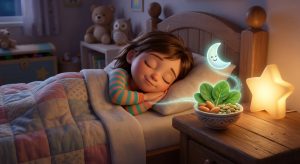
Every family has a song that gets requested on repeat, and there is a good reason kids ask for the same tune twenty times in a row.
This guide to kids songs gathers more than 70 of the best songs for kids in one place: the most popular classics, nursery rhymes, action songs, sing along songs, learning songs for ABCs and counting, clean-up and routine songs, and gentle bedtime songs.
You will also find which songs fit which ages, why singing matters so much for early language and reading, and simple tips for making music part of your day.
Key Takeaways
The most popular kids songs include Twinkle, Twinkle; The Wheels on the Bus; Old MacDonald; If You’re Happy and You Know It; and Baby Shark.
Action songs are great for burning energy; quiet, slow songs are best for bedtime.
Sing along songs with repeating choruses, like B-I-N-G-O and Down by the Bay, work for all ages.
Short routine songs can make clean-up, hand washing, and teeth brushing easier.
Singing supports language, early reading skills, and connection, no matter how well you sing.
Table of Contents
The Most Popular Kids Songs of All Time
If you only learn ten, learn these. They are the songs kids hear at preschool, library story time, and birthday parties, so knowing them helps your child join in anywhere.
Song
Why kids love it
Best ages
Twinkle, Twinkle, Little Star
Slow, soothing, and the same tune as the ABC song
0 to 5
The Wheels on the Bus
Endless verses with hand motions for every one
1 to 5
Old MacDonald Had a Farm
Animal sounds kids can shout out
1 to 5
If You’re Happy and You Know It
Clapping, stomping, and shouting “hooray”
1 to 6
Head, Shoulders, Knees and Toes
Gets faster and sillier each round
2 to 6
The Itsy Bitsy Spider
Finger play that builds fine motor skills
1 to 4
Row, Row, Row Your Boat
Rocking motion for babies, rounds for big kids
0 to 7
Baby Shark
The modern classic with its own dance moves
1 to 5
Five Little Monkeys
Counting down with a funny doctor
2 to 5
The ABC Song
The first step toward learning letters
1 to 5
The ten most popular kids songs and why they work.
Classic Nursery Rhyme Songs
These traditional songs have been sung to children for generations. Most are short, repetitive, and easy to learn, which is exactly what young brains need.
Mary Had a Little Lamb
Baa, Baa, Black Sheep
Hickory Dickory Dock
London Bridge Is Falling Down
Humpty Dumpty
Jack and Jill
Hey Diddle Diddle
Little Bo-Peep
Pop Goes the Weasel
The Muffin Man
Pat-a-Cake
Ring Around the Rosie
Action and Movement Songs
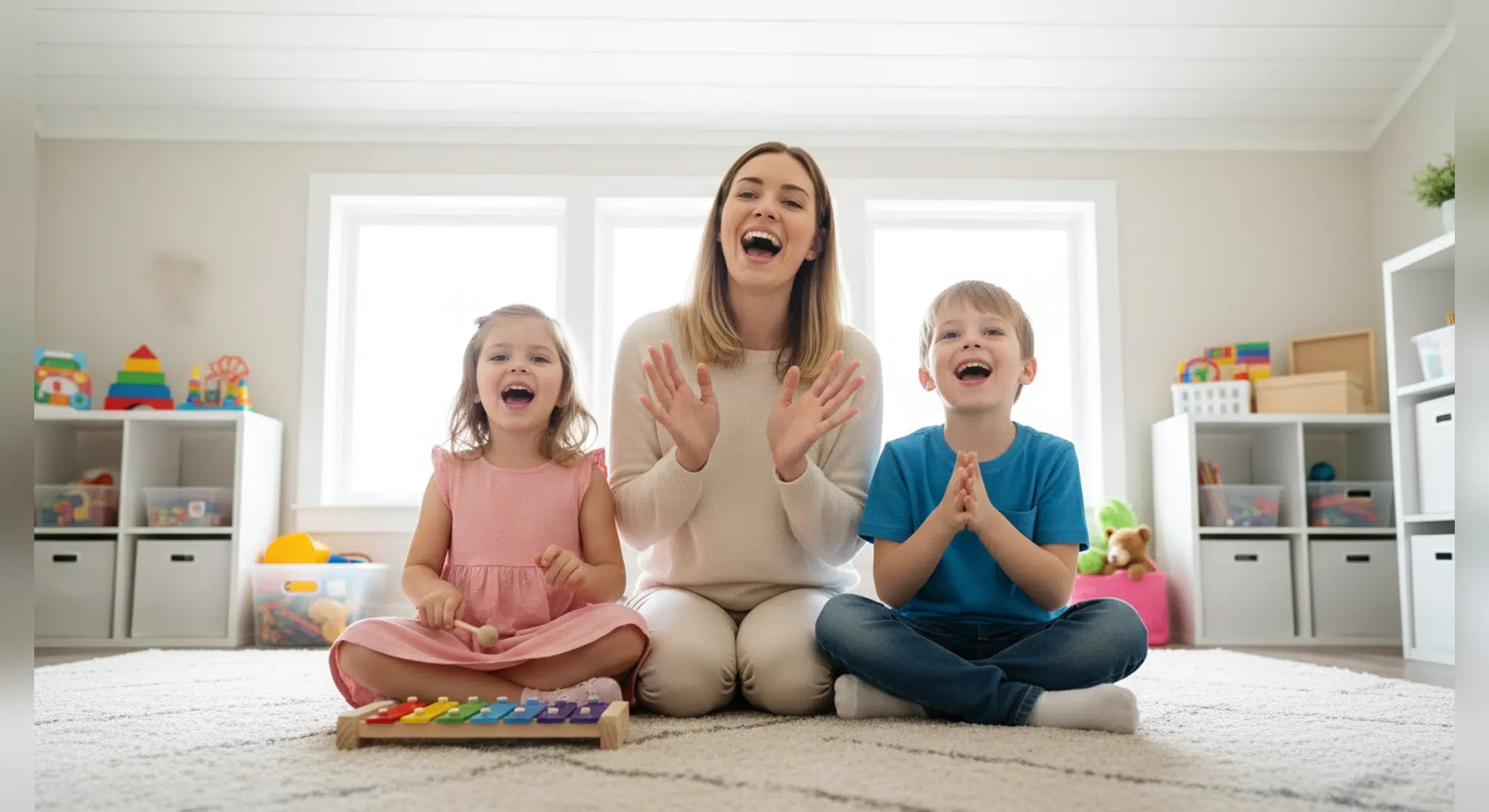
Action songs get kids moving, which makes them perfect for rainy days, classroom brain breaks, and burning off energy before bed (early in the evening, not right before lights out).
The Hokey Pokey: Put body parts in and out and turn yourself around.
Head, Shoulders, Knees and Toes: Touch each body part, then speed up.
If You’re Happy and You Know It: Clap, stomp, and invent new verses.
I’m a Little Teapot: Make your handle and spout, then tip over.
The Freeze Dance: Dance while the music plays, freeze when it stops.
Ring Around the Rosie: Circle, then all fall down.
Going on a Bear Hunt: A call-and-response chant with actions for swishing grass and squelching mud.
Shake Your Sillies Out: Shaking, wiggling, and jumping to get the wiggles out.
Here We Go Looby Loo: A gentle circle game for toddlers.
The best sing along songs have a repeating chorus, a simple tune, and room to add verses. They are perfect for car rides, family gatherings, and campfires.
Old MacDonald: Let each child pick the next animal.
The Ants Go Marching: Counting verses that build on each other.
B-I-N-G-O: Replace a letter with a clap each round.
She’ll Be Coming ‘Round the Mountain: Add sound effects for every verse.
There Was an Old Lady Who Swallowed a Fly: A cumulative, silly story song.
Down by the Bay: Kids invent their own rhymes.
This Old Man: Counting from one to ten with knick-knacks.
Five Little Ducks: A counting-down song with a happy ending.
The Wheels on the Bus: Everyone adds a verse about something on the bus.
Take Me Out to the Ball Game: A great one to teach older kids before a game.
For songs around the fire, see our full list of campfire songs.
Big days of fun go better with a good night of sleep.
Got a little one at home too? Our free two-minute quiz builds a gentle, personalized sleep plan for babies and toddlers.
Music is a powerful memory tool. That is why so many of us still recite the alphabet with a tune. Learning songs are great for preschoolers and kindergarteners.
ABC Song: Letters in order, sung to the tune of Twinkle, Twinkle.
Days of the Week: Often sung to the Addams Family theme with snaps.
Months of the Year: A helpful one for kindergarten calendar time.
Ten Little Fingers: Counting to ten on real fingers.
Five Little Speckled Frogs: Subtraction you can see.
The Color Song: Point to objects of each color.
The Continents Song: Big kids love showing off all seven.
Shapes songs: Draw circles, squares, and triangles in the air.
Clean Up, Transition and Routine Songs
Short routine songs are secret weapons for parents. A predictable tune tells a child what comes next, which can make hard transitions like clean-up, hand washing, and teeth brushing smoother.
Clean Up Song: A short chant that signals toys go back in the bin.
Hand washing song: Sing Happy Birthday twice, which lasts about 20 seconds, the handwashing time public health agencies recommend.
Tooth brushing song: A two-minute song or playlist keeps brushing going long enough.
Goodbye song: A predictable way to end a playdate or leave the park.
Getting-dressed song: Make up verses: this is the way we put on our socks.
Bedtime Songs and Lullabies
At bedtime, choose slow, quiet songs with a steady rhythm. Singing the same song every night becomes a cue that it is time to sleep. Classic choices include Twinkle, Twinkle, Little Star; Rock-a-Bye Baby; You Are My Sunshine; Brahms’ Lullaby; and Hush, Little Baby.
You do not need a good voice. Children care much more about singing with a familiar grown-up than about being in tune. A few reasons to keep singing:
Language: Songs slow words down and repeat them, which helps kids hear individual sounds and learn new vocabulary.
Early literacy: Rhyming songs build phonological awareness, the ability to hear and play with sounds, which supports learning to read.
Connection: Singing back and forth is a form of the “serve and return” interaction that helps build young brains.
Motor skills: Finger plays and action songs build coordination and body awareness.
Emotions and routines: A familiar song can calm an upset child and make routines predictable.
Tips for Choosing Songs and Screens
Match the song to the moment: action songs for high energy, quiet songs for winding down.
Sing live as often as you can. Recorded music is fine, but singing together is where the connection happens.
Use video songs thoughtfully. For children 2 to 5, the AAP suggests limiting screen use to about one hour a day of high-quality programs, ideally watched together. Audio-only playlists are a great alternative in the car.
Let kids lead: they will ask for the same song twenty times, and that repetition is how they learn.
Visit your local library’s story time for free, live sing-alongs.
Songs are a fun window into how your child’s language is developing. If your toddler is not babbling or trying to join in with words by around 18 months, or if a preschooler is hard for family members to understand, mention it at your next pediatric visit. Early speech and hearing checks are simple, and support works best when it starts early.
Frequently Asked Questions
What are the most popular kids songs?
The most popular kids songs include Twinkle, Twinkle, Little Star; The Wheels on the Bus; Old MacDonald Had a Farm; If You’re Happy and You Know It; Head, Shoulders, Knees and Toes; The Itsy Bitsy Spider; Row, Row, Row Your Boat; Baby Shark; Five Little Monkeys; and the ABC Song.
What are good sing along songs for kids?
Great sing along songs for kids have a repeating chorus and room for new verses, like B-I-N-G-O, The Ants Go Marching, She’ll Be Coming ‘Round the Mountain, Down by the Bay, This Old Man, and Old MacDonald.
What are classic kids songs?
Classic kids songs are traditional nursery rhymes and folk songs such as Mary Had a Little Lamb, Baa Baa Black Sheep, Hickory Dickory Dock, London Bridge, Pop Goes the Weasel, and Ring Around the Rosie.
Why is singing good for children?
Singing slows down and repeats words, which builds vocabulary and the sound awareness children need for reading. It also supports motor skills through action songs, helps with routines, and strengthens the bond between child and caregiver.
What songs are good for bedtime?
Slow, quiet songs work best at bedtime, such as Twinkle, Twinkle, Little Star; Rock-a-Bye Baby; You Are My Sunshine; Hush, Little Baby; and Brahms’ Lullaby. Singing the same song each night becomes a sleep cue.
Gentle changes, peaceful nights.
Betteroo builds a personalized sleep plan for your baby or toddler. Take the free two-minute quiz to get started.