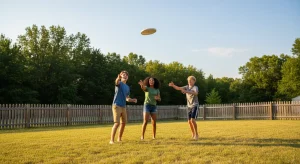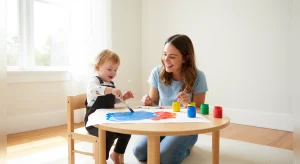


The best spring break activities for kids mix outdoor play, hands-on crafts and one small adventure, like a living room campout, kite flying, an egg hunt, a museum day or free library events, while keeping sleep close to normal.
Looking for spring break activities for kids that fill a whole week without a big budget? Here are 75 ideas for home and out: staycation plans, outdoor and rainy-day activities, spring crafts and science, day trips and free fun.
You will also find spring activities for kids to try all season, ideas by age from toddlers to teens, a sample 5-day plan, tips for working parents and how to keep bedtime on track around the clock change.
Key Takeaways
- Mix something active outside, something creative inside and one small adventure each day.
- The CDC recommends at least 60 minutes of activity a day for ages 6 to 17; preschoolers should be active throughout the day.
- Libraries and parks departments often run free or low-cost spring break programs, so check early.
- Use sunscreen of at least SPF 15, reapplied every 2 hours, even on cloudy spring days.
- Keep bedtime near normal and reset to the school schedule a few nights before the break ends.
As an Amazon Associate, Betteroo earns from qualifying purchases.
Table of Contents
Spring Break Activities for Kids: The Quick Answer
Quick Answer
| If you need… | Start with |
|---|---|
| A staycation feel | Living room campout, hotel night at home, backyard movie |
| To burn energy | Kite flying, obstacle course, bike ride |
| A rainy day plan | Indoor scavenger hunt, fort, balloon volleyball |
| Something seasonal | Plant seeds, egg hunt, flower press |
| Free fun | Library programs, playground tour, swap day |
| A bigger outing | Museum, zoo, farm or state park day trip |
Spring Break Staycation Ideas at Home
A staycation works when home feels a little different. Change one routine and kids remember it as special.
- 1. Living room campout: a tent or blanket fort, dinner on the floor and flashlight stories.
- 2. Hotel night at home: fresh sheets and a “room service” breakfast menu the kids design.
- 3. Backyard movie night: a white sheet, a projector and popcorn. Pick a film from our Easter movies list fits the season.
- 4. Family restaurant: kids write the menu, take orders and serve.
- 5. Theme days: pirates, space or dinosaurs, with a matching snack, craft and story.
- 6. Pajama pancake morning: kids mix the batter and pick toppings.
- 7. Game tournament: a bracket, three games and a homemade trophy.
- 8. Spa afternoon: foot soaks, nail painting and calm music.
- 9. Talent or magic show: practice all week, perform on Friday.
- 10. Build a cardboard city: saved boxes become houses, a car wash or a rocket.
- 11. Learn a new skill together: juggling, knot tying or a card shuffle.
- 12. Make a time capsule: letters and drawings sealed to open in a year.
For more boredom busters, our indoor activities for kids guide is organized by age.
Outdoor Spring Activities
Spring break is often the first stretch of mild weather in months, and outdoor play is the easiest way to get moving. The CDC says children ages 3 to 5 should be physically active throughout the day, and children 6 to 17 need at least 60 minutes of moderate-to-vigorous activity daily.
- 13. Fly a kite: pick a breezy, dry day and a wide open field far from power lines and trees.
- 14. Nature walk with a checklist: buds, robins, worms and a first flower.
- 15. Bike or scooter ride: helmets on, a planned loop and a snack stop.
- 16. Sidewalk chalk mural: a road map for toy cars or giant hopscotch.
- 17. Bubble station: homemade solution and pipe cleaner wands.
- 18. Picnic at a new park: pick one you have never visited.
- 19. Backyard obstacle course: hula hoops, cones, a jump rope and a stopwatch.
- 20. Classic lawn games: tag, freeze tag, red light green light and kickball. Our outdoor games for kids guide has the rules.
- 21. Puddle jumping: boots and raincoats on, dry clothes waiting.
- 22. Bird watching: kid binoculars and a tally sheet.
- 23. Fishing or pond exploring: a net and bucket for tadpoles, with an adult right beside the water.
- 24. Backyard campout: a tent, a lantern and stargazing.
Sun check: the American Academy of Pediatrics (AAP) recommends broad-spectrum sunscreen of at least SPF 15, reapplied every 2 hours and after swimming or sweating, plus a hat with a 3-inch brim. UV rays are strongest from 10 a.m. to 4 p.m., up to 80% of UV rays pass through clouds, and babies under 6 months should stay out of direct sun.
Rainy-Day Indoor Ideas
Keep a few indoor plans ready so a wet morning does not become a screen marathon.
- 25. Indoor scavenger hunt: 10 clue cards leading to a small treat.
- 26. Pillow and blanket fort: chairs, clips, sheets and a flashlight.
- 27. Dance party: everyone adds three songs; play freeze dance.
- 28. Indoor bowling: plastic bottles as pins, a soft ball.
- 29. Puzzle race: two teams, two small puzzles and a timer.
- 30. Kitchen helpers: muffins or pizza, with kids measuring and stirring.
- 31. Balloon volleyball: a string between two chairs for a net; the balloon cannot touch the floor.
- 32. Library haul afternoon: a big stack of books and a cozy corner.
- 33. Painter’s tape road: roads and a racetrack for toy cars.
Big days go better with a good night of sleep.
Got a little one at home too? Our free two-minute quiz builds a gentle, personalized sleep plan for babies and toddlers.
Spring Activities for Kids: Seasonal Ideas to Try
These spring activities for kids work during the break and any weekend all season, built around things growing and animals returning.
- 34. Plant seeds: beans or sunflowers in cups on a sunny windowsill; measure daily.
- 35. Plant a container garden: a pot of flowers your child waters and owns.
- 36. Egg hunt: plastic eggs with stickers or notes inside; hide them in plain sight for toddlers.
- 37. Dye or decorate eggs: food coloring on hard-boiled eggs, or paper eggs for little ones.
- 38. Watch a bird nest: check a nearby nest daily from a distance.
- 39. Flower hunt and press: press blooms (where picking is allowed) in a heavy book and make bookmarks.
- 40. Look for signs of spring: draw one new sign each day in a small journal.
- 41. Make a bird feeder: pine cones rolled in seed butter and birdseed.
- 42. Watch caterpillars grow: observe them on plants, or raise some in a habitat kit.
Spring Crafts, Science and Learning Without It Feeling Like School
Crafts and experiments quietly build fine motor and math skills. Set materials on a tray and let kids lead. Find more in our easy crafts for kids.
- 43. Coffee filter butterflies: markers, a mist of water and a pipe cleaner body.
- 44. Paper plate flowers: painted petals and a cupcake liner center.
- 45. Handprint tulips: upside-down painted handprints become tulips.
- 46. Nature collage: glue walk finds onto cardstock.
- 47. Painted rocks: ladybugs or kind messages to hide in the yard.
- 48. Color-changing flowers: white carnations or celery in colored water.
- 49. Baking soda volcano: baking soda and vinegar on a tray. More in our science experiments for kids.
- 50. Rain gauge: a jar and a ruler; log rain daily.
- 51. Seed in a bag: a bean on a damp towel in a zip bag on the window.
Learning that feels like play: skip worksheets and use real things.
- 52. Backyard planet walk: space objects out to show planet distances, then read our planets for kids guide.
- 53. Cook and measure: doubling a recipe is fractions practice.
- 54. Write a postcard a day: to grandparents about one thing they did.
- 55. Plan a pretend trip: find a country on a map and learn five facts.
- 56. Grocery store math: kids find items and estimate the total.
Day Trip Ideas for Spring Break
One outing can anchor the week. Stay within an hour or two and plan around naps.
- 57. Children’s or science museum: hands-on rooms; arrive at opening.
- 58. Zoo or aquarium: plan a route around favorite animals.
- 59. Farm visit: some welcome families to see baby animals; call ahead.
- 60. State or regional park: a short hike, a picnic and ranger programs.
- 61. Botanical garden or arboretum: spring blooms and stroller-friendly paths.
- 62. Nearby small town: a main street walk and a playground.
- 63. Lake or beach day: shade, sunscreen and an adult within arm’s reach of young swimmers.
- 64. Historic site or living history museum: costumed guides make history feel real.
- 65. Spring break road trip: plan stops every couple of hours and pack our road trip games and see road trip ideas for kids.
Pack water, snacks, sunscreen, spare clothes and a small first aid kit, and agree on a meeting spot in case anyone gets separated.
Free and Low-Cost Spring Break Activities for Kids
Most ideas above use things you already own, and your community likely offers more.
- 66. Library programs: many run free spring break story times and crafts.
- 67. Recreation center events: check the parks calendar for low-cost camps.
- 68. Playground tour: a new playground daily, rated by the kids.
- 69. Free museum days: many museums have free or reduced days.
- 70. Community cleanup: gloves, bags and an hour in a park.
- 71. Neighborhood bike parade: streamers and a few friends.
- 72. Visit grandparents: or set up a video call project. Our grandparent activities list has ideas for both.
- 73. Stargazing night: a blanket in the yard after dark and a free star map app or library book.
- 74. Read-a-thon: everyone reads for an hour with snacks; log pages on a chart.
- 75. Swap day: trade toys or puzzles with another family for the week.
Spring Break Ideas by Age
| Age | What works | Try |
|---|---|---|
| Toddlers (1 to 3) | Short activities, lots of repetition, one outing a day around the nap | Bubbles, puddle jumping, egg hunt in plain sight, seed in a bag, playground tour |
| Preschoolers (3 to 5) | Hands-on projects and pretend play | Paper plate flowers, family restaurant, nature checklist, farm visit |
| School-age (6 to 9) | Challenges, projects and rules-based games | Cardboard city, rain gauge, kite flying, game tournament, museum day |
| Tweens and teens (10+) | Choice, independence and friends | Plan a day trip, cook a dinner, bike rides, volunteering, backyard campout with friends |
Mixed ages? Give roles: the older child reads clues or keeps score while the younger one hunts or builds.
A Sample 5-Day Spring Break Plan and Tips for Working Parents
One way to give the week shape; swap days for weather.
| Day | Morning | Afternoon | Evening |
|---|---|---|---|
| Monday: Home | Pajama pancakes | Cardboard city | Living room campout |
| Tuesday: Outside | Nature walk with checklist | Kite flying or bike ride | Backyard picnic dinner |
| Wednesday: Make | Plant seeds | Coffee filter butterflies and a volcano | Game tournament |
| Thursday: Adventure | Day trip to a museum, zoo or park | Quiet rest at home | Early bedtime |
| Friday: Spring | Egg hunt | Library haul | Backyard movie night |
If you are working during spring break:
- Line up care early: book camps early and trade days with other parents.
- Share the week: grandparents, a sitter or a split schedule.
- Prep independent activity boxes: a craft, a puzzle and a book per morning.
- Protect one big outing: take one day off for the outing your child wants most.
- Set clear screen limits: decide ahead how much screen time fits the week. The AAP’s free Family Media Plan can help.
Keeping Sleep on Track During Spring Break
Late nights add up fast. The AAP recommends a regular routine with the same wake time on weekdays and weekends, a consistent bedtime routine and screens off at least an hour before bed.
| Age | Recommended sleep per 24 hours (including naps) |
|---|---|
| 1 to 2 years | 11 to 14 hours |
| 3 to 5 years | 10 to 13 hours |
| 6 to 12 years | 9 to 12 hours |
| 13 to 18 years | 8 to 10 hours |
- Keep bedtime close to normal: a late night or two is fine; keep the rest near the school-night bedtime.
- Protect naps: plan outings around the nap.
- Watch the clock change: in most of the U.S., daylight saving time begins at 2 a.m. on the second Sunday in March, often right around spring break. Our daylight saving time sleep guide shows how to shift bedtime gradually.
- Reset before school: two or three nights before school, return to the school schedule.
- Get outside early: daytime play outdoors helps kids settle at night.
Related Betteroo Guides
- Indoor Activities for Kids
- Outdoor Games for Kids
- Easy Crafts for Kids
- Science Experiments for Kids
- Road Trip Games
- Daylight Saving Time and Baby Sleep
The Bottom Line
The best spring break activities for kids are simple: a little time outside, a little making, one adventure and plenty of unscheduled play. Pick a few of these 75 ideas, leave room for boredom and let your kids help choose.
Keep sleep close to normal, wear sunscreen and plan around the clock change. Then enjoy the week together.
Frequently Asked Questions
What are some free spring break activities for kids?
Free spring break activities for kids include library story times and crafts, a playground tour, nature walks, kite flying, sidewalk chalk, bubbles, a living room campout, an egg hunt, planting seeds and a toy swap with another family. Many parks departments also post free or low-cost spring break events.
What can kids do over spring break at home?
At home, kids can build a blanket fort or cardboard city, run a family restaurant, hold a game tournament, plant seeds, make spring crafts, try a baking soda volcano, put on a talent show or have a backyard movie night. Changing one routine makes home feel like a getaway.
How do you make a staycation fun for kids?
Make a staycation fun by giving each day a theme, changing small routines like dinner on the floor, and planning one outing kids look forward to. Let children help choose activities, keep some unscheduled time and end the week with something special, such as a movie night outside.
What are fun spring activities for kids?
Fun spring activities for kids include planting seeds, flying a kite, egg hunts, puddle jumping, bird watching, pressing flowers, making a bird feeder, watching a nest and looking for signs of spring on a nature walk. Spring crafts like coffee filter butterflies and handprint tulips are easy indoor options.
How do I keep my kids busy over spring break while working?
Book a spring break camp or trade days with other parents early, ask grandparents or a sitter to cover some days, and prepare independent activity boxes with a craft, puzzle and book for each morning. Set screen limits ahead of time and save one day off for a big outing.
How do I keep my child’s sleep on track during spring break?
Keep bedtime and wake time close to the school schedule, allowing only a late night or two. Protect toddler naps on outing days, keep screens off an hour before bed and shift back to the school schedule two or three nights before the break ends, especially if clocks just changed.
Gentle changes, peaceful nights.
Betteroo builds a personalized sleep plan for your baby or toddler. Take the free two-minute quiz to get started.
6 Sources
- Centers for Disease Control and Prevention. Child Activity: An Overview (Physical Activity Guidelines).
https://www.cdc.gov/physical-activity-basics/guidelines/children.html - Centers for Disease Control and Prevention. About Sleep (citing American Academy of Sleep Medicine recommendations).
https://www.cdc.gov/sleep/about/index.html - American Academy of Pediatrics (HealthyChildren.org). Healthy Sleep Habits: How Many Hours Does Your Child Need?
https://www.healthychildren.org/English/healthy-living/sleep/Pages/Healthy-Sleep-Habits-How-Many-Hours-Does-Your-Child-Need.aspx - American Academy of Pediatrics (HealthyChildren.org). Sun Safety: Information for Parents About Sunburn and Sunscreen.
https://www.healthychildren.org/English/safety-prevention/at-play/Pages/Sun-Safety.aspx - American Academy of Pediatrics (HealthyChildren.org). Family Media Plan.
https://www.healthychildren.org/English/fmp/Pages/MediaPlan.aspx - National Institute of Standards and Technology. Daylight Saving Time.
https://www.nist.gov/pml/time-and-frequency-division/popular-links/daylight-saving-time-dst