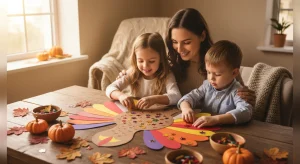
The best fall activities for kids are leaf piles, nature walks and scavenger hunts, apple and pumpkin farm visits, easy baking with an adult, simple leaf science, cozy indoor games and small family traditions.
Looking for fall activities for kids that are fun without being a production? Autumn hands you free materials (leaves, pinecones, apples, pumpkins) and cooler weather that makes it easy to be outside, plus plenty of cozy reasons to stay in when it rains.
This guide gathers 60+ ideas sorted by setting: outdoors, at the farm, in the kitchen, science and learning games, rainy days, traditions and giving back. You will also find an age table, a ready-made fall weekend plan and the few safety basics that matter, from pumpkin carving to tick checks.
Key Takeaways
Fall’s best activities are free: leaf piles, nature walks, scavenger hunts and stargazing.
Match ideas to age: toddlers need short sensory play, big kids want challenges and real jobs.
Leaf chromatography shows the yellow and orange pigments that are in green leaves all along.
Adults carve pumpkins and handle the oven; no tasting raw dough, per the CDC.
Do a tick check after woods walks and wash hands after farm animals.
As an Amazon Associate, Betteroo earns from qualifying purchases.
Table of Contents
Fall Activities for Kids at a Glance
Quick Answer
The best fall activities for kids use what the season hands you for free: leaf piles, nature walks and scavenger hunts, an apple orchard or pumpkin patch, easy baking with an adult, simple leaf science, cozy indoor games for rainy days, and small family traditions. Below are 60+ ideas sorted by setting, plus an age table and a fall weekend plan.
Age
What works best
Try first
Toddlers (1 to 2)
Short, sensory, adult-led
Leaf crunch walk, washing mini pumpkins, sorting pinecones
Ages 3 to 5
Simple rules, helping, pretend play
Picture scavenger hunt, leaf color sorting, stirring muffin batter
Ages 6 to 12
Challenges, collecting, real jobs
Leaf chromatography, corn maze, raking for a neighbor, planning a hike
Fall activities matched to age. Adjust for your own child.
Outdoor Fall Activities: Leaves, Walks and Backyard Fun
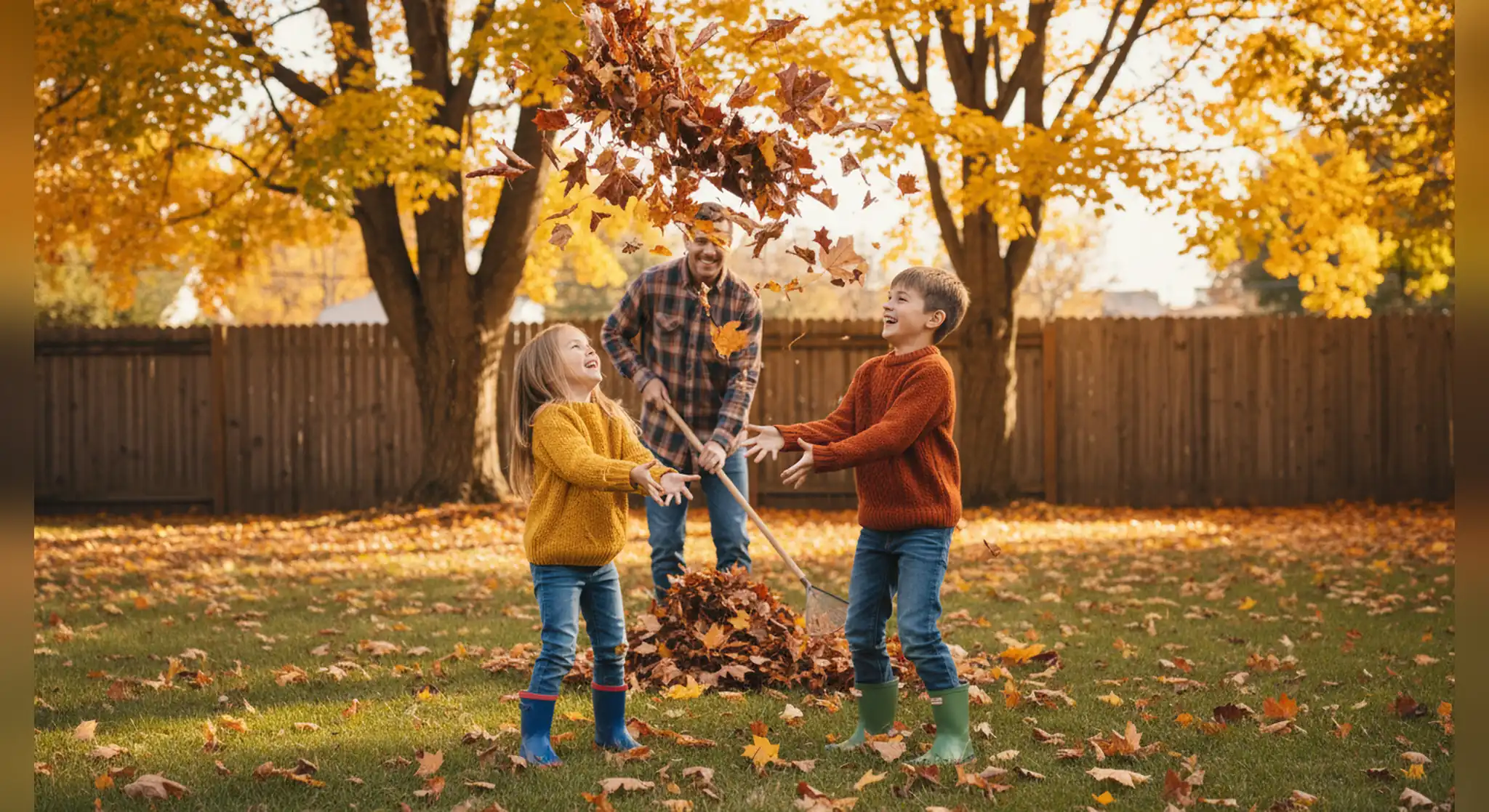
Leaf pile jumping: build the pile in the open yard, away from the street and driveway, and check it for sticks and rocks first.
Leaf pile obstacle course: make several small piles and time runs that hop, crawl or tiptoe through them.
Leaf toss and catch: throw leaves in the air and try to catch one before it lands.
Color walk: pick one color and find as many things in that color as you can.
Leaf hunt by shape: find a lobed leaf, a jagged leaf, a needle and a leaf bigger than your hand.
Adopt a tree: photograph the same tree every week and watch it change.
Nature walk with a bag: collect acorns, pinecones, seed pods and leaves for the crafts and science below.
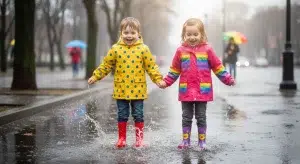
Puddle walk: rain boots plus permission to splash.
Bird watching: sit quietly with a snack and count the birds you see or hear in ten minutes.
Plant spring bulbs: dig, drop and cover, then wait for a spring surprise.
Fall picnic: bring warm drinks in a thermos and eat while the leaves come down.
Bike or scooter ride: crunchy paths are half the fun. Helmets on.
Stargazing: earlier sunsets mean young kids can see stars before bedtime.
Fire pit night: only where you have a safe spot, with an adult in charge and kids seated well back.
Tick check after the woods. The CDC says ticks live in grassy, brushy and wooded areas, including your own yard, and advises staying in the middle of trails, away from tall grass and leaf litter. Afterward, check your child’s armpits, ears, belly button, backs of the knees, hair, waist and between the legs, and shower within two hours.
Fall Scavenger Hunt and Farm Days
A scavenger hunt turns any walk into a game. Draw pictures for kids who cannot read yet; add points and a time limit for older kids. Look for:
A red, a yellow and a brown leaf
An acorn with its cap and a pinecone
A squirrel or a bird
A pumpkin on a porch
A seed that spins when you drop it
Something smooth, something rough and something crunchy
Apple orchards and pumpkin patches. Small local farms are often calmer than big festival venues, and weekday mornings tend to be quieter than weekend afternoons. Ideas for the day:
Pick your own apples: show kids how to twist an apple up instead of yanking, and agree on one bag before you start.
Choose a pumpkin: each child picks one they can carry themselves.
Corn maze: a small maze for little kids; older kids navigate while you follow.
Hayride: short and seated is plenty for toddlers.
Apple taste test: at home, slice three varieties and rate them for sweet, sour and crunch.
Pumpkin estimate game: guess the weight, count the ridges, then guess the seeds.
At a petting area, the CDC advises washing hands with soap and running water right after touching animals and when you leave, keeping strollers, cups and toys outside, and not eating around animals. The CDC says children under 5 are more likely to get sick from animal germs and should not touch reptiles, amphibians or poultry.
Fall Kitchen Activities: Baking With Kids
Kids measure, pour, stir and mash; an adult handles knives, the stove and the oven.
Applesauce: an adult peels and chops; kids add cinnamon and mash once it cools.
Pumpkin muffins: kids measure, stir and line the tin.
Apple crisp: little hands are perfect for rubbing the crumbly topping together.
Roasted pumpkin seeds: kids separate seeds from the stringy pulp, a great sensory job.
Soup night: kids wash vegetables, tear herbs and choose the noodles.
Fall pizza: kids spread sauce and arrange toppings.
Cider or cocoa bar: set out cinnamon sticks and let kids design their mug once it has cooled.
Family cookbook page: write one favorite fall recipe a year with your child’s drawings.
Food safety basics. The CDC says not to taste raw dough or batter, since raw flour can carry E. coli and raw eggs can carry Salmonella, and not to let children play with raw flour craft dough. For young children, the CDC lists popcorn, nuts and seeds, pieces of hard raw apple, hard candy, caramels and marshmallows among choking hazards; cutting food small or mashing it helps. If anyone has a food allergy, read every label.
Big days go better with a good night of sleep.
Got a little one at home too? Our free two-minute quiz builds a gentle, personalized sleep plan for babies and toddlers.
Why do leaves change color? According to the U.S. Department of Agriculture, green chlorophyll breaks down as days shorten and nights cool, unmasking yellow and orange carotenoids that were in the leaf all season. Reds and purples come from anthocyanins, which trees such as red and sugar maples make in late summer and fall. You can see this at home:
Leaf chromatography (ages 6 and up, with an adult): tear a few same-color leaves into tiny pieces in a small jar. An adult adds just enough rubbing alcohol to cover them (flammable, so no flames nearby, and work in a ventilated room). Mash, cover loosely and set the jar in warm tap water for about 30 minutes until the liquid turns green. Dip the end of a coffee filter strip in the liquid and wait an hour or so: the liquid climbs the paper and separates into bands, often green with yellow or orange above. Compare green, yellow and red leaves.
Leaf rubbing ID chart: rub crayons over leaves under thin paper, then match each to a neighborhood tree.
Sink or float: predict whether a pumpkin, an apple, a gourd and an acorn float, then test.
Apple browning test: brush some apple slices with lemon juice, leave others plain, and compare after an hour.
Pumpkin investigation: measure around it with string, count ridges, then count seeds in groups of ten.
Pinecone weather station: watch a pinecone’s scales close in damp weather and open as it dries.
Leaf math: sort leaves by size or color and make a chalk bar graph on the sidewalk.
Leaf letters: spell your name with leaves, or find something outside for each letter.
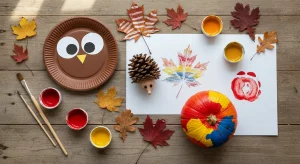
Crafts have their own guide: fall crafts for kids has 44 easy ideas with leaves, pumpkins and pinecones, plus how to preserve leaves. Your nature walk finds will come in handy.
Fall Family Traditions and Giving Back
First day of fall walk: same walk, same photo spot, every year.
Leaf collection book: press and label one leaf from each tree you find.
Gratitude jar: add one note a day in November and read them at Thanksgiving.
Fall bucket list: write it together and post it on the fridge.
Pumpkin decorating night: kids draw faces with markers or paint; the AAP advises adults do any carving.
Soup swap: trade a batch with a neighbor.
Costume planning: talk through ideas over dinner weeks ahead.
Giving back suits the harvest season: rake leaves for an older neighbor, donate outgrown coats and boots, shop together for a food bank, make cards for a nursing home, pick up litter on your walk (gloves on), or bake extra muffins for a new parent.
Fall Activities for Kids by Age: Toddler and Big-Kid Picks
Toddlers (1 to 3): ten minutes is a full activity. Crunch leaves and name the colors, wash mini pumpkins in a tub, sit in a small leaf pile and toss handfuls, drop leaves from a step, and fill and dump a bucket of pinecones with you close by. More in activities for 2 year olds.
Big kids (6 to 12): give them challenge and responsibility. Let them plan a family hike, record the leaf chromatography results in a notebook, bake a recipe start to finish with you on oven duty, start a leaf ID journal, organize a raking crew for a neighbor, or make a small fall photo book.
A Simple Fall Weekend Plan
When
Activity
Saturday morning
Apple orchard or pumpkin patch, early before crowds
Saturday afternoon
Nap or quiet time, then a leaf pile
Saturday evening
Bake apple crisp with your apples, family movie
Sunday morning
Nature walk with a scavenger hunt
Sunday afternoon
Leaf science or a craft with your finds
Sunday evening
Gratitude notes and an early bedtime
One easy fall weekend. Swap in indoor ideas if it rains.
Daylight saving time ends at 2:00 a.m. on Sunday, November 1, 2026, according to NIST, when clocks go back one hour. Keep that weekend light, and see our daylight saving time sleep guide for shifting bedtime.
Fall Safety: Pumpkins, Costumes and Treats
Pumpkins: the AAP recommends a flashlight, glow stick or battery candle instead of a real flame.
Costumes: the AAP advises costumes short enough to prevent tripping, reflective tape, face paint tested on a small patch of skin instead of masks, and a flashlight after dark.
Walking at dusk: the AAP notes child pedestrian injuries are more likely on Halloween than any other night; use sidewalks and crosswalks and go with young children. See Halloween safety tips.
Treats and allergies: check treats at home, keep hard candy and gum from babies and toddlers, and offer non-food treats such as stickers for kids with allergies (AAP).
Repellent: the CDC says not to use products with oil of lemon eucalyptus or PMD on children under 3; follow the label.
The best fall activities for kids are simple and repeatable: a leaf pile, a walk with a collection bag, a farm visit, a warm kitchen and a few cozy traditions. Pick a few ideas a week, match them to your child’s age, keep the safety basics (adults carve and bake, tick checks, hand washing), and leave room for rest. The goal is not a perfect fall bucket list. It is a few good memories and kids who still sleep well at night.
Frequently Asked Questions
What are some fun fall activities for kids?
Favorites include jumping in leaf piles, nature walks with a collection bag, fall scavenger hunts, visiting an apple orchard or pumpkin patch, baking apple crisp or pumpkin muffins together, leaf science experiments, stargazing on early dark evenings, and simple traditions like a gratitude jar or a yearly photo in the leaves.
What are free fall activities for families?
Many of the best are free: raking and jumping in leaves, color walks, leaf hunts by shape, adopting a tree to watch change, bird watching, puddle walks, stargazing, library fall books, indoor forts and board game nights. Collected leaves and pinecones also supply free material for crafts and science projects.
What fall activities can toddlers do?
Keep it short and sensory. Toddlers enjoy crunching leaves on a walk, sitting in a small leaf pile, washing mini pumpkins in a tub of water, dropping leaves from a step, and filling and dumping a bucket of pinecones with an adult close by. About ten minutes is a full activity at this age.
What can kids do indoors on a cold or rainy fall day?
Build a blanket fort reading den, set up a fall sensory bin for preschoolers, hide paper leaves around the house for a hunt, hold a board game tournament, have a scarf dance party, bowl with mini pumpkins, bake together with an adult, or write a letter to a grandparent with a pressed leaf inside.
How do you do a fall scavenger hunt with kids?
Make a list of fall items such as a red leaf, an acorn, a pinecone, a squirrel, a pumpkin on a porch and a seed that spins when you drop it. Use pictures for kids who cannot read yet, and add points or a time limit to keep older kids engaged.
Why do leaves change color in the fall?
According to the U.S. Department of Agriculture, green chlorophyll breaks down as days shorten and temperatures drop. That unmasks yellow and orange carotenoids that were in the leaf all season. Red and purple come from anthocyanins, which trees such as red and sugar maples make in late summer and fall.
Gentle changes, peaceful nights.
Betteroo builds a personalized sleep plan for your baby or toddler. Take the free two-minute quiz to get started.