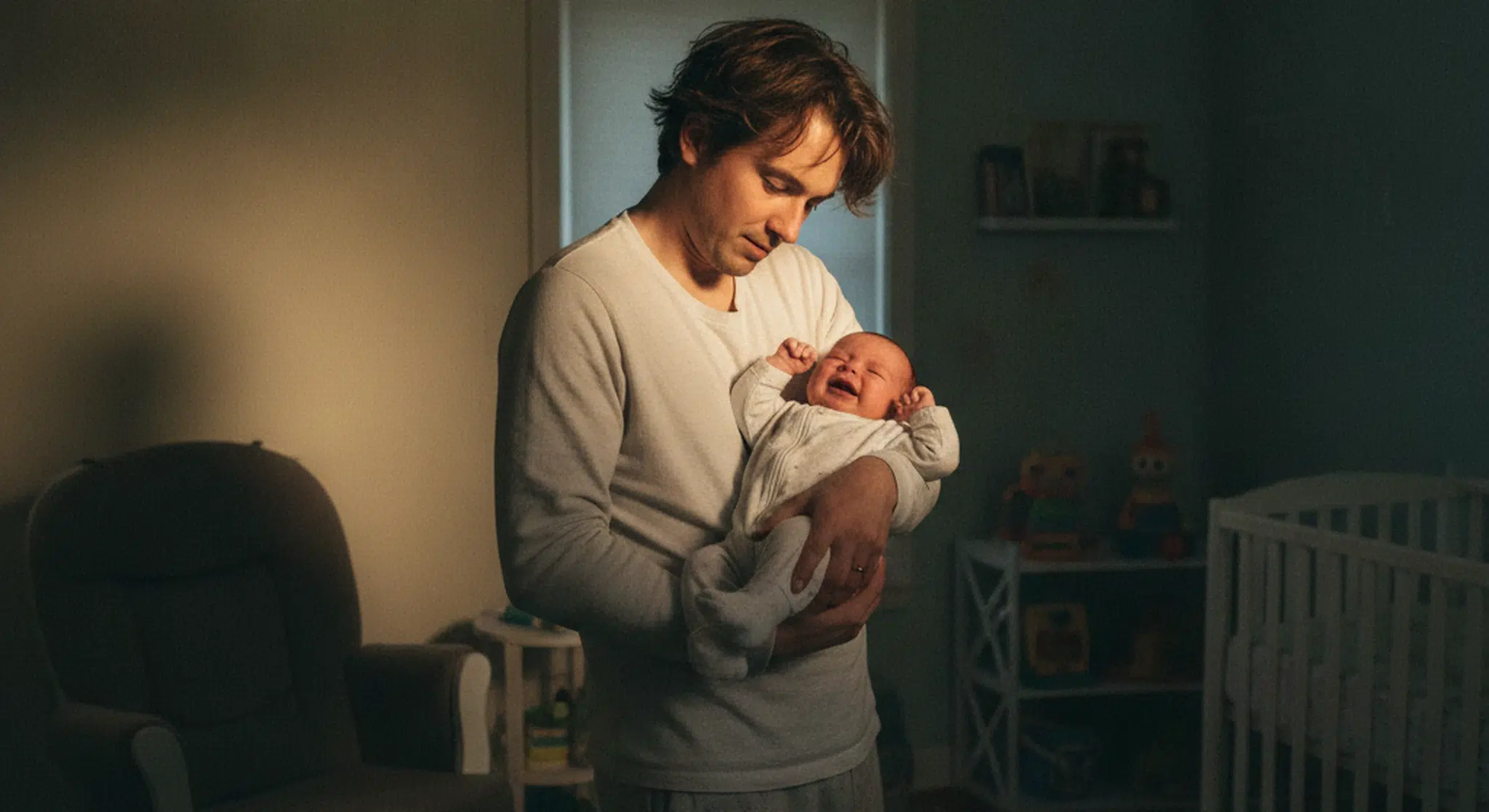
Babies fight sleep for a small set of predictable reasons, and the most common one is being overtired, not under tired.
It feels backwards, but a baby who has been awake a little too long often gets a second wind of fussy, wired energy that makes settling much harder. Timing, overstimulation, hunger, discomfort, and developmental leaps are the other usual suspects.
This guide walks through why babies resist sleep at different ages, how to tell which reason is at play, and the practical changes that tend to make bedtime and naptime easier.
Key Takeaways
The most common reason babies fight sleep is overtiredness from wake windows that ran too long.
Being undertired, or not tired enough for the amount of sleep on offer, can also cause bedtime battles.
Overstimulation, hunger, discomfort, and separation anxiety are frequent contributors.
New skills and sleep regressions temporarily ramp up sleep fighting, then settle.
Consistent, age appropriate wake windows and a calm bedtime routine are the most reliable fixes.
Table of Contents
The Number One Reason: Overtiredness
When a baby stays awake past their comfortable limit, the body releases stress hormones like cortisol and adrenaline to keep going. That surge produces the classic overtired look, wired but exhausted, arching, crying, and fighting the very sleep they desperately need. Counterintuitively, an overtired baby is harder to settle and more likely to wake early or often.
The fix is usually to catch sleep a little earlier. Watching wake windows, the amount of awake time a baby can comfortably handle between sleeps, is the single most useful lever. Our baby sleep schedule by age guide lists realistic wake windows month by month so you can aim for the sweet spot before the meltdown.
Early tired signs are your best cue. Yawning, staring off, rubbing eyes, and losing interest in play often come before the crying. Starting the wind down at those first signals beats waiting until your baby is past the point of easy settling. Our overtired baby guide goes deeper on the signs and the recovery.
When a Baby Is Not Tired Enough
The opposite can also happen. If naps ran long, bedtime is too early for the current age, or wake windows are too short, a baby simply may not have built up enough sleep pressure yet. This often looks like a happy, chatty baby who plays in the crib, resists a nap, or takes a long time to fall asleep without much crying.
If your baby regularly fights one particular sleep, take a look at the timing around it. Slightly lengthening the last wake window before bed, or trimming an over long nap, can resolve bedtime resistance that has nothing to do with being overtired.
Struggling with your baby’s sleep?
A personalized plan meets your baby where they are, at every age and stage.
Beyond timing, a handful of other factors show up again and again:
Overstimulation. A busy, bright, or loud lead up to sleep leaves a baby too revved to settle.
Hunger. A baby who did not take a full feed may resist until their tummy is satisfied.
Discomfort. Teething, gas, a wet diaper, or being too warm or cold can all interfere.
Separation anxiety. From around 8 months, wanting you close can turn bedtime into a protest.
Developmental leaps. Rolling, crawling, standing, and talking all pull focus and disrupt sleep for a while.
An inconsistent routine. Without predictable cues, it is harder for a baby to shift into sleep mode.
Developmental windows deserve special mention. Sleep often gets harder for a couple of weeks around 4 months, 8 to 10 months, 12 months, and 18 months. Our sleep regression ages guide explains what is really happening and why it passes.
What Actually Helps
Most sleep fighting eases when a few fundamentals are in place. These are the highest leverage changes:
Match wake windows to your baby’s age and watch for early tired signs.
Keep a short, consistent, calming bedtime routine so sleep becomes predictable.
Dim the lights and lower stimulation for 20 to 30 minutes before sleep.
Make sure your baby is well fed before the wind down.
Keep the sleep space cool, dark, and quiet, with white noise if it helps.
Offer chances to practice new skills during the day so the crib is less tempting at night.
Consistency is what ties these together. When the lead up to sleep looks the same night after night, your baby’s body learns to expect it, and the nightly battle usually shrinks.
When to Check With Your Pediatrician
Occasional sleep fighting is a normal part of babyhood. Check in with your pediatrician if resistance is severe and persistent, if your baby seems in pain, or if it comes with signs of illness, reflux, snoring or breathing pauses, or feeding problems. A quick conversation can rule out a physical cause and put your mind at ease.
Usually because they are overtired. Past their comfortable awake limit, babies release stress hormones that leave them wired and harder to settle. Catching sleep a little earlier, at the first tired signs, is the most reliable fix.
Why does my baby fight sleep but is clearly exhausted?
This is the classic overtired trap. The more overtired a baby gets, the harder they fight sleep. Shortening the last wake window, watching for early tired cues, and keeping a calm, dim wind down usually helps break the cycle.
Can a baby fight sleep because they are not tired enough?
Yes. Long naps, a too early bedtime, or short wake windows can leave a baby without enough sleep pressure. This often looks like happy playing or chatting in the crib. Adjusting the timing usually resolves it.
At what ages do babies fight sleep the most?
Sleep fighting often ramps up during developmental windows around 4 months, 8 to 10 months, 12 months, and 18 months, when new skills and separation anxiety disrupt sleep. These phases are temporary and usually pass within a few weeks.
How do I stop my baby from fighting bedtime?
Match wake windows to their age, watch for early tired signs, keep a short and consistent calming routine, dim the lights, make sure they are fed, and keep the room cool, dark, and quiet. Consistency night after night is what makes the biggest difference.
End the bedtime battles
Get a personalized plan built around your baby’s age, wake windows, and temperament.
Paruthi S, et al. Recommended Amount of Sleep for Pediatric Populations: A Consensus Statement of the American Academy of Sleep Medicine. Journal of Clinical Sleep Medicine, 2016. https://jcsm.aasm.org/doi/10.5664/jcsm.5866