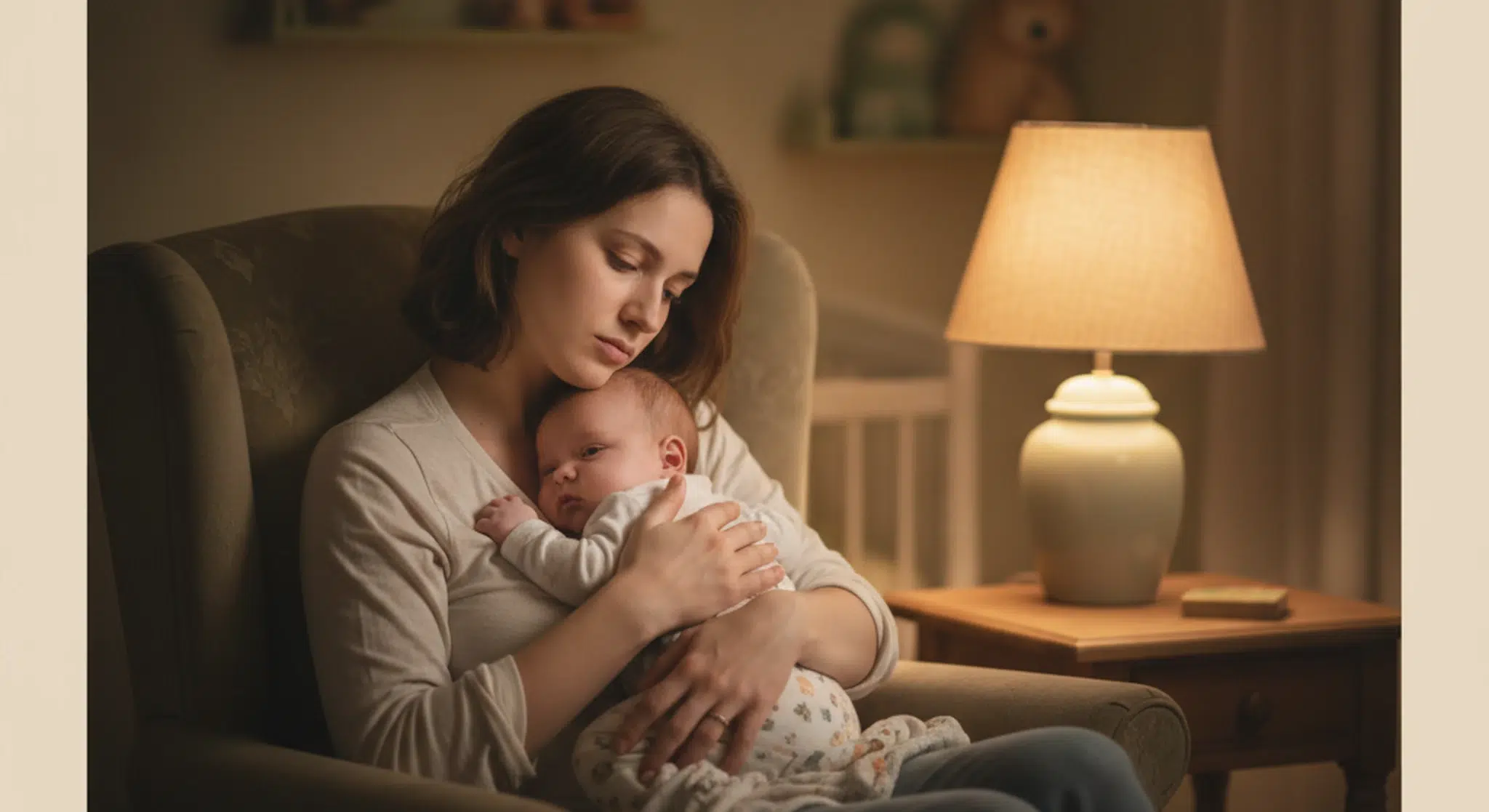
Separation anxiety is a normal, healthy stage of development, and it is one of the most common reasons a baby who used to sleep well suddenly starts fighting bedtime and waking at night crying for you.
It usually shows up in the second half of the first year, often around 8 to 10 months, and it can flare again in the second year. It is not a sign that anything is wrong, and it is not something you caused. Your baby is simply old enough to understand that you exist even when they cannot see you, and to miss you when you are gone.
This guide explains why separation anxiety disrupts sleep, when to expect it, how long it tends to last, and gentle, practical ways to help your baby feel secure enough to settle.
Key Takeaways
Separation anxiety is a normal developmental stage, not a habit or a setback.
It often begins around 8 to 10 months, peaks between 10 and 18 months, and eases by around age 2.
It can cause new bedtime protest and night wakings in a baby who previously slept well.
A steady, predictable bedtime routine and consistent responses help your baby feel safe.
Practicing short separations during the day builds trust that you always come back.
The short answer
Separation anxiety disrupts sleep because your baby now understands that you continue to exist when you leave the room, and bedtime is the longest separation of the day. It is a normal phase that usually eases with time, consistency, and reassurance rather than any special sleep trick.
Table of Contents
Why Separation Anxiety Disrupts Sleep
Separation anxiety grows out of a cognitive leap called object permanence, which is the understanding that people and things still exist even when they are out of sight. Babies begin developing this around 4 to 7 months, and once it takes hold, your baby realizes that when you walk out of the room, you have not disappeared. You are somewhere else, and they want you back.
Bedtime is the longest and most predictable separation of the day, so it is where this new awareness shows up most strongly. Your baby may cling and cry when you put them down, protest a routine they used to love, or wake in the night and call for you because they surface between sleep cycles, notice you are not there, and feel the same worry all over again.
This is worth saying plainly: the crying is real distress, not manipulation. Babies this age are not capable of scheming. They genuinely miss you, and their protest is a request for the comfort that helps them feel safe enough to sleep.
When It Starts and How Long It Lasts
Most babies show the first clear signs of separation anxiety around 8 to 10 months, though some notice it as early as 6 months. It tends to peak somewhere between 10 and 18 months and then fades during the second half of the second year, usually settling down around the second birthday.
It rarely arrives once and disappears. Many families see a first wave around the 8 to 10 month mark, which is also why the sleep disruption people call the 8 month regression can feel so intense, and then a second wave around 18 months as toddlers become more aware of comings and goings. Any big change, such as a new caregiver, a move, travel, or starting daycare, can bring a fresh flare at other times too.
Each individual wave is usually short. Most stretches of separation-anxiety sleep disruption last a couple of weeks rather than months, especially when your responses stay calm and consistent.
How to Help at Bedtime
Keep a short, predictable bedtime routine in the same order every night so your baby knows what comes next and feels the security of the pattern.
Build in a few minutes of unhurried connection before you leave, such as a cuddle, a book, or a quiet song, so your baby feels full of your attention.
Say a warm, consistent goodnight phrase and leave with confidence. A long, anxious exit tells your baby there is something to worry about.
If your baby uses a comfort object and is over 12 months, a small lovey can stand in for you between wakings.
Respond to night wakings in a calm, boring, predictable way. Reassure with your presence and voice, keep it low key, and avoid switching on lights or starting to play.
Build Trust During the Day
A lot of the work that helps nighttime happens in daylight. Play peekaboo and hiding games, which teach in a fun way that things and people come back. Practice short separations by stepping into another room and calling out cheerfully so your baby learns that you leave and return as a normal rhythm.
When you do leave for a longer stretch, always say a quick goodbye rather than slipping away. Sneaking out can seem easier in the moment, but it teaches your baby to stay on high alert because you might vanish at any time. A predictable goodbye, even a tearful one, builds more security in the long run.
What Not to Do
Do not assume you have to start sleep training over from scratch. This is a developmental phase, not a lost skill.
Do not swing to a brand new approach every night. Inconsistency makes an anxious baby more anxious.
Do not punish or scold night wakings. Fear does not respond to discipline, and it can make bedtime harder.
Do not compare your baby to others. The onset, intensity, and timing vary widely and are all normal.
When to Check With Your Pediatrician
Separation anxiety is almost always a normal phase that resolves with time and reassurance. It is worth a conversation with your pediatrician if the anxiety is so intense that it interferes with feeding or daily life, if it seems to be getting steadily worse well past age 2, or if your baby also seems unwell, in pain, or is not meeting other milestones. Trust your instincts, and never hesitate to ask if something feels off.
Separation anxiety often begins around 8 to 10 months, though some babies show signs as early as 6 months. It peaks between 10 and 18 months and usually eases by around age 2, with a common second wave near 18 months.
How long does separation anxiety sleep disruption last?
Each wave is usually short, often a couple of weeks, especially when your responses stay calm and consistent. It can return at other stressful times, such as travel or starting daycare, but those flares also tend to be brief.
Should I stop sleep training during separation anxiety?
You do not need to start over. This is a developmental phase, not a lost skill. Keep your routine steady, add a little extra reassurance, and respond consistently. Most babies return to their usual sleep once the wave passes.
Is it better to sneak out or say goodbye?
Always say a quick, warm goodbye. Sneaking away can make your baby more anxious because they learn you might vanish at any moment. A predictable goodbye, even a tearful one, builds more security over time.
Is separation anxiety a sign of a problem?
No. It is a normal, healthy sign that your baby is bonded to you and understands object permanence. Check with your pediatrician only if it is severe, interferes with daily life, worsens well past age 2, or comes with other concerning signs.
Paruthi S, et al. Recommended Amount of Sleep for Pediatric Populations: A Consensus Statement of the American Academy of Sleep Medicine. Journal of Clinical Sleep Medicine, 2016. https://jcsm.aasm.org/doi/10.5664/jcsm.5866