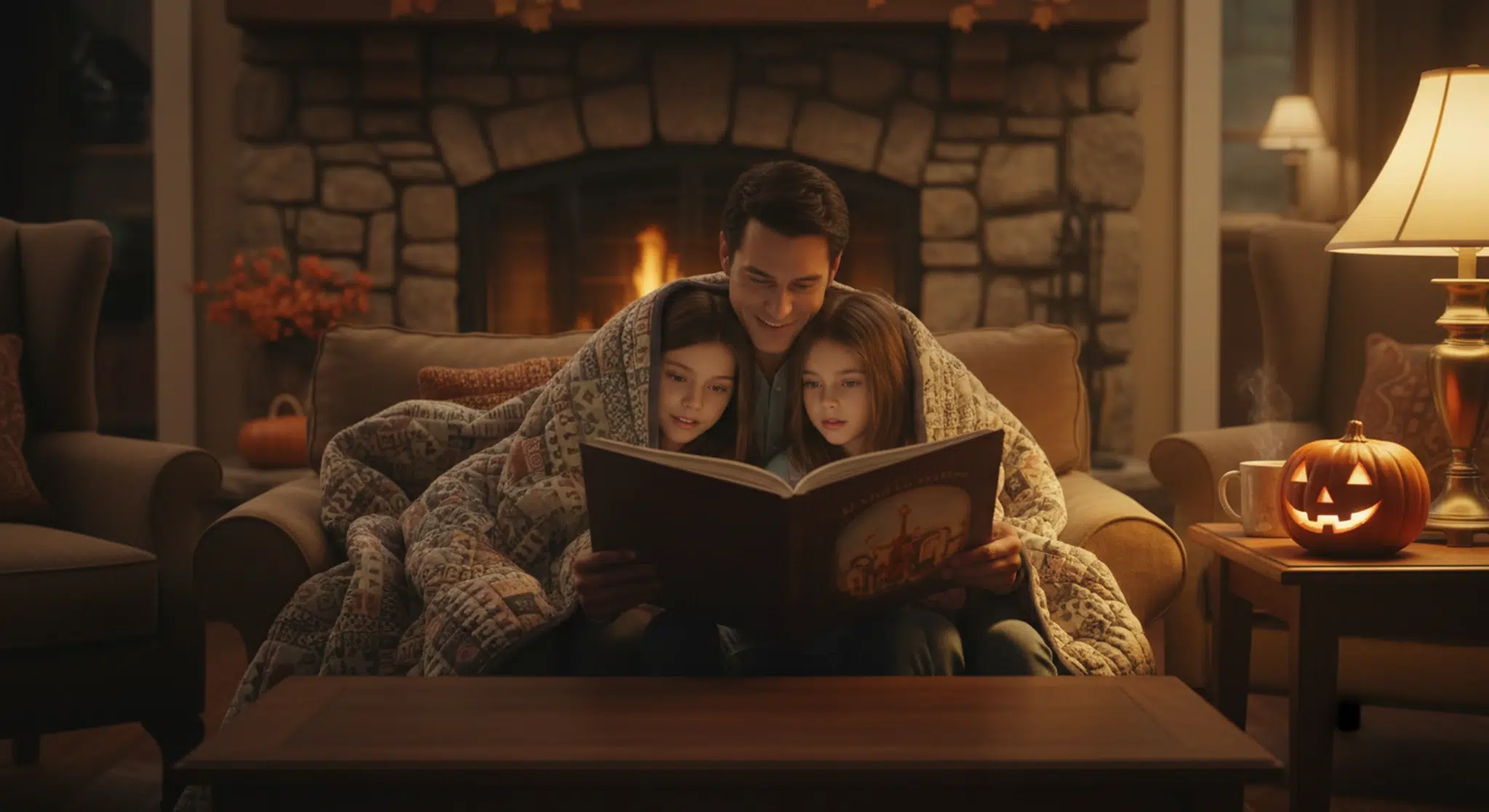


A great spooky story for kids lives between thrilling and terrifying, ending in a shiver and a laugh rather than a sleepless night. Here are original short tales to read aloud, classic legends to retell, gentle funny stories for little ones, and tips for telling them well.
There is something magical about gathering in a dimly lit room to share a spooky story. For kids, a good scare can be pure fun, building suspense, sparking imagination, and ending in giggles. The trick is keeping it age-appropriate, so the story delivers a delicious shiver without following your child to bed.
This guide has everything you need for a not-too-scary story session: original short tales written to read aloud in minutes, classic legends to retell in your own words, funny spooky stories for younger kids, and practical tips for building suspense and knowing when a story is too much. Dim the lights and get ready for some cozy chills.
Key Takeaways
- The best kids’ spooky stories are thrilling but end in a laugh or light twist, not a real scare.
- Match the fright level to the child: humor for little ones, more suspense for older kids.
- Reading aloud in a cozy, dimly lit spot with a hushed voice makes any tale an event.
- If a story feels too scary, stop, reassure your child it is make-believe, and switch to something funny.
- Tell spooky stories earlier in the evening, then wind down calmly to protect sleep.
Table of Contents
What Makes a Great Spooky Story for Kids
A good spooky story for kids lives in the sweet spot between thrilling and terrifying. The goal is a delicious shiver and a big laugh at the end, not a sleepless night. The best kid-friendly scary stories build a little suspense, use a spooky setting like a dark forest or an old house, and then wrap up with a gentle twist, a silly surprise, or a satisfying resolution rather than anything truly disturbing.
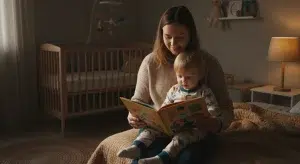
Match the fright level to the child. Younger kids do best with funny, mild stories where nothing bad really happens, while older kids can handle more suspense and a proper jump-scare ending. Reading aloud in a cozy spot, dimming the lights just a little, and using a hushed voice turns any of the tales below into an event. Here are original short stories to tell, classic legends to retell, and gentle giggly options for little ones.
Short Spooky Stories to Read Aloud
These original short tales are written to be read aloud in just a few minutes. Each ends with a light twist rather than a real scare, perfect for a campfire, a sleepover, or a cozy October night.
The Tapping at the Window. Maya could not sleep. Tap. Tap. Tap. Something was knocking softly at her bedroom window, and her room was on the second floor. Her heart pounded as the tapping came again, slow and steady. She pulled her blanket to her chin, counted to three, and yanked the curtain open. There, tapping with one long branch, was the old maple tree, waving hello in the wind. Maya laughed out loud, and the tree, she was sure, waved back.
The Extra Footsteps. On the walk home from the library, Ben noticed footsteps behind him. When he walked, they walked. When he stopped, they stopped. He walked faster. The footsteps sped up too. Finally he spun around, ready to shout, and found his little sister grinning from ear to ear. She had been following him the whole way, matching his steps exactly. Got you, she said. Ben had to admit, she really had.
The Cold Spot. Every house has its stories, and Grandma’s old farmhouse had one cold spot in the hallway that never warmed up, no matter the season. The grandkids dared each other to stand in it, shivering and giggling. One night, brave little Theo stood in the cold spot with a flashlight, determined to solve the mystery. He looked up and found the answer: a tiny gap in the old window frame above, letting in a thin ribbon of night air. Mystery solved, though the grandkids still liked the ghost version better.
Classic Spooky Legends to Retell
Every culture has its spooky folk tales, and retelling them in your own gentle words is a wonderful tradition. Keep the atmosphere while softening anything too intense for your listener.
- The Legend of Stingy Jack, the trickster doomed to wander with a glowing lantern, the very story behind the jack-o’-lantern
- The Headless Horseman, the ghostly rider of Sleepy Hollow, a spooky classic best told with a dramatic gallop and a surprise ending
- Local ghost tales, the old house on the corner or the lighthouse down the coast, told with details from your own town
- The Will-o’-the-Wisp, mysterious lights that flicker over marshes at night, with a science twist about swamp gases to reassure worried listeners
For more ready-to-read tales beyond the spooky season, our bedtime stories for kids guide is full of gentle stories to end any night.
Funny Spooky Stories for Younger Kids
For preschoolers and sensitive listeners, lean into humor so the spookiness stays cozy. In these tales, the monster is friendly, the ghost is clumsy, and the twist is always a laugh.
- The Ghost Who Was Afraid of the Dark, a little ghost who needs a nightlight just like everyone else
- The Polite Monster Under the Bed, who only wants someone to play board games with at midnight
- The Sneezing Skeleton, who keeps rattling apart every time he catches a cold
- The Pumpkin That Rolled Away, a runaway jack-o’-lantern on a silly nighttime adventure
Older kids keep you busy by day, little ones keep you up at night.
If a younger sibling is still fighting sleep, our free two-minute quiz builds a personalized plan.
Tips for Telling Spooky Stories
- Set the scene: dim the lights a little and gather somewhere cozy
- Use your voice: go quiet and slow to build suspense, then a little louder at the twist
- Keep it short: a few minutes is plenty to hold young attention
- End on a laugh or a light twist rather than a genuine scare
- Read the room: if a child looks worried, lighten the tone or switch to a funny story
- Invite them in: let kids add sound effects or guess what happens next
When a Story Feels Too Scary
Sometimes a story lands harder than expected, and that is completely normal. Young children are still learning to separate imagination from reality, so a spooky tale can feel very real at bedtime. If your child seems frightened, stop, reassure them that the story is make-believe, and switch to something gentle and funny to end on a calm note.
You can also give a scared child simple tools: a nightlight, a favorite stuffed animal, and a reminder that they are safe and you are close by. Talking through what felt scary, in the daylight, helps take the power out of it. The aim of a spooky story is a fun, shared shiver, never a fear that follows a child to bed.
Spooky Fun and a Good Night’s Sleep
A little fear can actually be good for kids. Managing a small, safe scare, and coming out the other side laughing, helps children build resilience and a sense of mastery over big feelings. The key word is safe: the fright should be mild, shared, and clearly make-believe, with a trusted grown-up right there. Following your child’s cues keeps the experience thrilling rather than genuinely upsetting.
Timing matters, too. A suspenseful story right at lights-out can rev up an already tired brain and make sleep harder, especially for younger children. Try telling spooky stories earlier in the evening, then shift to a calm, predictable wind-down before bed. If a scary tale does lead to worries at night, extra reassurance and a steady routine help far more than avoiding the topic. For gentle stories to close the night, see our bedtime stories guide.
Frequently Asked Questions
What is a good spooky story for kids that is not too scary?
A good not-too-scary story builds a little suspense and then ends with a gentle twist or a laugh rather than something disturbing. For example, a tale about mysterious tapping at a window that turns out to be a tree branch, or footsteps following a child home that turn out to be a giggling little sibling. These deliver a fun shiver while keeping everything safe and make-believe, which is exactly right for younger and sensitive listeners.
How do you tell a spooky story to kids?
Set the scene by dimming the lights and gathering somewhere cozy, then use your voice to build suspense, going quiet and slow before the twist. Keep the story short, just a few minutes, and end on a laugh or a light surprise rather than a genuine scare. Read the room: if a child looks worried, lighten the tone or switch to a funny story. Inviting kids to add sound effects or guess what happens next makes it even more fun.
Are scary stories bad for children?
Not usually. A mild, shared, clearly make-believe scare can actually help kids build resilience and a sense of mastery over big feelings, as long as a trusted grown-up is right there. The key is matching the fright to the child and following their cues. Problems arise only when a story is too intense for a young listener or told right at bedtime, when it can make sleep harder. Keep it gentle, and end on a calm note.
What are some classic spooky stories to tell kids?
Timeless choices include the Legend of Stingy Jack, the trickster behind the jack-o’-lantern, and the Headless Horseman of Sleepy Hollow, both best told in your own gentle words. Local ghost tales about an old house or lighthouse in your town are always a hit, and the Will-o’-the-Wisp, with a reassuring science twist about swamp gases, adds mystery without real fear. Retelling folk legends is a wonderful family tradition.
My child got scared by a spooky story. What should I do?
Stop the story, reassure your child that it is make-believe, and switch to something gentle and funny to end on a calm note. Offer simple comforts like a nightlight, a favorite stuffed animal, and a reminder that they are safe and you are nearby. Talking through what felt scary during the daytime helps take away its power. In future, choose milder stories and tell them earlier in the evening rather than right at bedtime.
Fun for them, rest for you.
Betteroo helps the whole family sleep better. Take the free two-minute quiz for a plan tailored to your child.
4 Sources
- KidsHealth – Childhood Fears and Worries
https://kidshealth.org/en/parents/anxiety.html - Common Sense Media – Are Scary Movies and Stories OK for Kids?
https://www.commonsensemedia.org/ - AAP HealthyChildren.org – Fears and Phobias
https://www.healthychildren.org/English/health-issues/conditions/emotional-problems/Pages/default.aspx - Zero to Three – Helping Children Manage Fears
https://www.zerotothree.org/