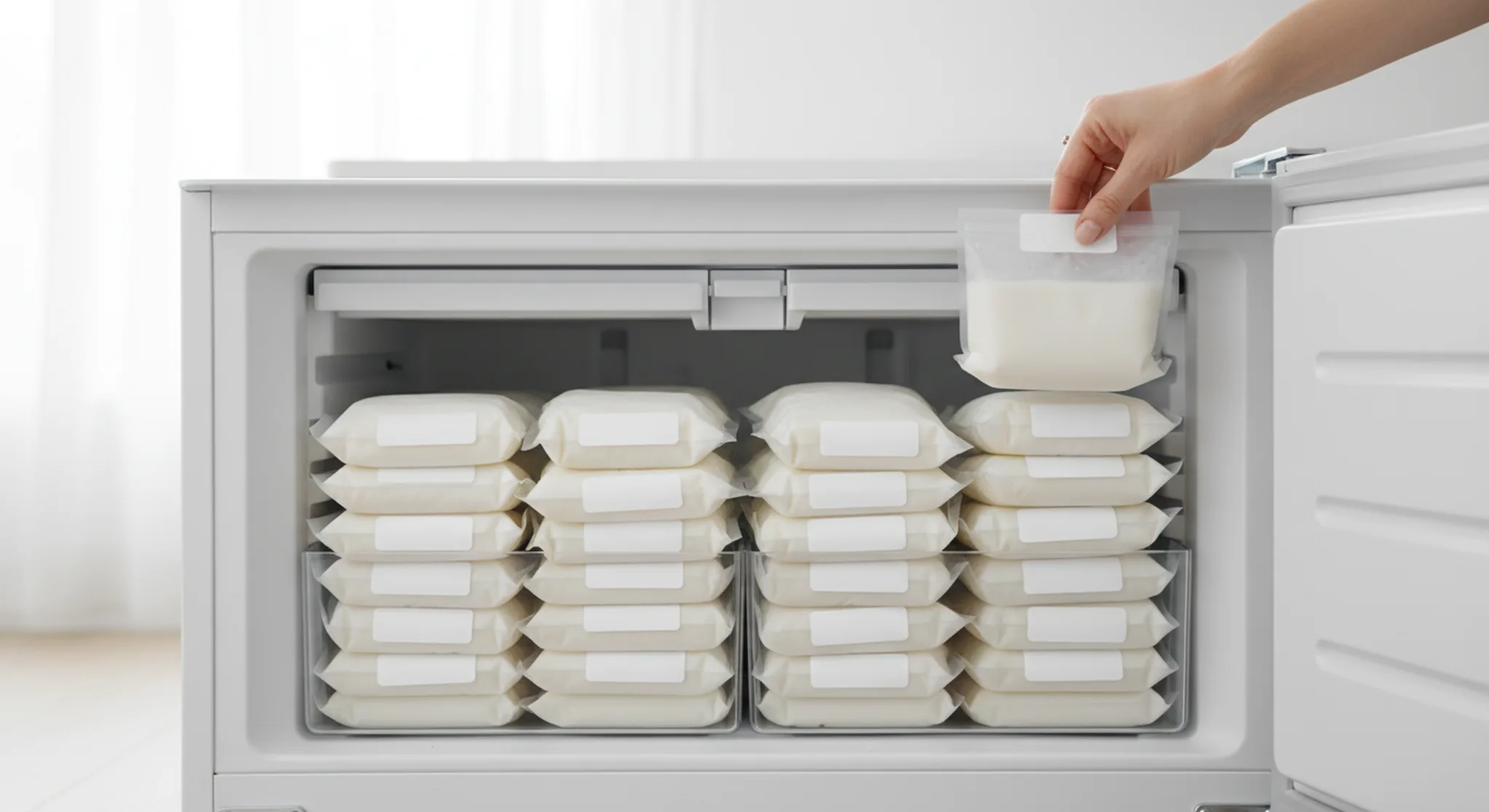
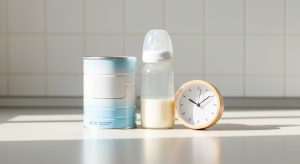
Frozen breast milk lasts up to 12 months in a standard freezer, but is best used within 6 months, per CDC guidelines. Once thawed in the refrigerator, use it within 24 hours; at room temperature, within 1 to 2 hours; and never refreeze thawed milk. In a fridge-top freezer compartment plan on about 2 weeks, and in a deep freezer at 0 degrees F or colder, the 6 to 12 month rule applies.
Every bag in your freezer represents time you will never get back, so the storage rules deserve precision. The good news: breast milk is remarkably durable when frozen properly, and the guidelines are more forgiving than most parents fear. The catch: the countdown clocks change completely the moment milk thaws, and a few common habits (topping off warm milk, refreezing, microwave thawing) quietly waste good milk or create risk.
This guide covers exactly how long frozen breast milk lasts in every freezer type, how to freeze it to maximize both shelf life and nutrition, safe thawing and warming step by step, what thawed milk smells like when it is fine (soapy is usually fine, sour is not), and a printable-simple rule set for the fridge door.
Key Takeaways
Freezer numbers: best within 6 months, acceptable to 12 months at 0 degrees F; about 2 weeks in an inside-the-fridge freezer compartment; deep freezers hold the coldest, steadiest temps.
Thawed milk: 24 hours in the fridge (counted from fully thawed), 1 to 2 hours at room temperature, and never refrozen.
Freeze smart: small portions of 2 to 4 ounces, laid flat, dated, stored at the back of the freezer, used oldest-first.
Thaw in the fridge overnight or under lukewarm running water; never in the microwave, which creates scalding hot spots and degrades milk proteins.
A soapy or metallic smell after thawing is usually harmless high lipase, not spoilage; truly sour, rancid-smelling milk gets discarded.
Table of Contents
The Storage Numbers, Freezer by Freezer
The CDC’s human milk storage guidance sets the framework: freshly expressed milk keeps up to 4 hours at room temperature, up to 4 days in the refrigerator, and in the freezer is best within 6 months, acceptable up to 12. Those freezer numbers assume 0 degrees F (minus 18 C) and a door that is not opened forty times a day.
Chest or upright deep freezer: the gold standard, coldest and steadiest; the full best-by-6, up-to-12 months window applies.
Standard fridge-freezer with separate door: same official range; store milk at the back, away from the door, where temperature swings are smallest.
Freezer compartment inside the fridge (single door): only about 2 weeks; these compartments hover too warm for long storage.
Insulated cooler with frozen ice packs: about 24 hours in transit, then use or refrigerate immediately (freeze only if still icy).
Note for context: milk that has been frozen and thawed keeps its safety within these rules, but some vitamin C and antibody activity decline with very long freezing, one more reason the 6 month best-by beats the 12 month maximum, and why fresh or refrigerated milk is preferred when you have the choice. Rotation solves this automatically: date every bag and always pull the oldest first.
Freezing Technique: Set Future You Up Well
Portion small: 2 to 4 ounce bags match single feeds and thaw fast; big bags force waste when baby takes less.
Leave an inch of headspace: milk expands as it freezes and overfilled bags split.
Freeze flat, then file upright like records: flat-frozen bags thaw quicker and store denser.
Label every bag with date (and daycare name if required); the date is the whole system.
Freeze fresh: milk destined for the freezer should go in within about 4 days of pumping, and sooner is better for quality.
Combining sessions: chill the new milk fully in the fridge first, then combine with other cold milk; never pour warm milk onto frozen.
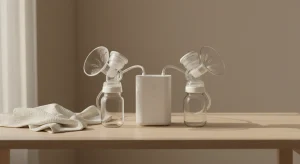
Pump-part hygiene upstream matters as much as the freezer: wash or refrigerate parts between sessions and sanitize daily for young or premature babies. If you are building a stash while managing supply, our power pumping guide covers the production side.
Milk stash sorted, nights next
Take Betteroo’s free quiz for a personalized baby sleep plan, so those 3 a.m. bottles get rarer.
Best: move the bag to the refrigerator the night before; it thaws in about 12 hours. The 24 hour use-by clock starts when the milk is fully liquid, not when you moved it.
Faster: hold the sealed bag under lukewarm running water or set it in a bowl of warm water, then use within 2 hours (or refrigerate immediately for the 24 hour window).
Warming (optional; many babies take cool milk happily): bag or bottle in warm water a few minutes, swirl gently to remix separated fat, and test a drop on your wrist.
Never microwave: uneven heating creates mouth-scalding hot spots and damages proteins.
Once a feed starts, the bottle is good for about 2 hours; after that, discard leftovers, because baby saliva introduces bacteria.
And the iron rule: thawed milk never goes back in the freezer. Refreezing gives bacteria two growth windows and shreds milk structure. If you thawed too much, refrigerate the extra immediately and use it within 24 hours. The same discipline applies to formula, whose clocks are even shorter; see how long formula can sit out.
Smell, Color, and the High Lipase Surprise
Thawed milk separates into cream and watery layers (normal, swirl to remix) and its color varies with your diet (normal). The smell test has one famous trap: many mothers have high lipase, an enzyme that breaks down milk fats in storage and produces a soapy or metallic smell after freezing. High lipase milk is safe, and most babies drink it without complaint; if yours refuses, scalding fresh milk (heating to about 180 degrees F briefly, then cooling fast) before freezing prevents the change in future batches.
Genuinely spoiled milk announces itself differently: a sharp sour or rancid smell and taste, like spoiled dairy. When sour, throw it out. When merely soapy, you are fine. If you cannot tell, taste a drop yourself: sour milk is unmistakable.
Freezer Failures, Power Outages, and Moving the Stash
Every stash owner eventually faces a dead freezer or a cross-town move. The rules that save milk: keep the freezer door closed (a full, closed freezer holds safe temperatures for about 48 hours, a half-full one about 24), cluster the bags together in the center so they insulate each other, and add regular ice or dry ice around them if the outage will run long. The verdict afterward is about ice crystals: milk that still contains ice crystals counts as never thawed and may stay frozen or be used; milk that is fully liquid but still refrigerator-cold enters the thawed clock (use within 24 hours) and must not be refrozen.
For transport, a hard cooler packed tight with frozen bags and dry ice or heavy ice packs keeps milk frozen for many hours; fill air gaps with towels, tape the lid, and open it once at the destination. Shipping services with dry ice exist for longer moves. And if the worst happens and a batch fully thaws and warms beyond the window, the loss hurts, but the rule stands: when in doubt, throw it out. Your supply is renewable; a foodborne illness in an infant is not worth the gamble.
Building a Stash Without Building a Shrine
A final calibration: the freezer stash exists to serve real gaps (a return to work, a night out, an illness), and 2 to 4 days of feeds covers most families’ genuine needs. Social media stashes of hundreds of ounces make dramatic photos and terrible goals: chasing them drives extra pumping that can tip into oversupply, clogged ducts, and burnout, and much of the milk ages past best-by before use. Pump for the gap you actually have, rotate oldest-first so nothing dies of old age in the back row, and let the freezer be a tool rather than a scoreboard.
Frequently Asked Questions
How long does frozen breast milk last?
Best within 6 months and acceptable up to 12 months in a freezer at 0 degrees F, per CDC guidelines. A deep freezer or the back of a standard freezer meets that easily; a freezer compartment inside a single-door fridge only keeps milk about 2 weeks. Date every bag and use oldest first.
How long is thawed breast milk good for?
Once fully thawed, use within 24 hours if kept in the refrigerator, or within 1 to 2 hours at room temperature. Once a baby starts drinking from a bottle, finish or discard it within about 2 hours. Thawed breast milk must never be refrozen.
Can you refreeze breast milk after thawing?
No. Once thawed, milk gets one refrigerated 24 hour window and is then discarded. Refreezing allows bacterial growth across two thaw cycles and degrades the milk. The workaround is prevention: freeze in small 2 to 4 ounce portions so you thaw only what your baby will take.
Why does my frozen breast milk smell soapy?
High lipase, an enzyme that digests milk fat during storage, creates a soapy or metallic smell in thawed milk. It is harmless and the milk is safe; some babies simply dislike the taste. If so, scald future milk (heat briefly to about 180 degrees F, cool fast, then freeze) to deactivate lipase. Sharp sour smells, by contrast, mean spoiled: discard.
Does freezing breast milk lose nutrients?
Freezing preserves the large majority of nutrition and antibody value, though some vitamin C and immune activity decline over long storage, which is why guidelines say best within 6 months even though 12 is acceptable. Fresh is ideal, refrigerated is next, frozen is still excellent: a fed baby with a stocked freezer is winning.
The stash is safe, now sleep
Betteroo’s free 2 minute quiz builds a personalized sleep plan matched to your baby’s age and feeding routine.