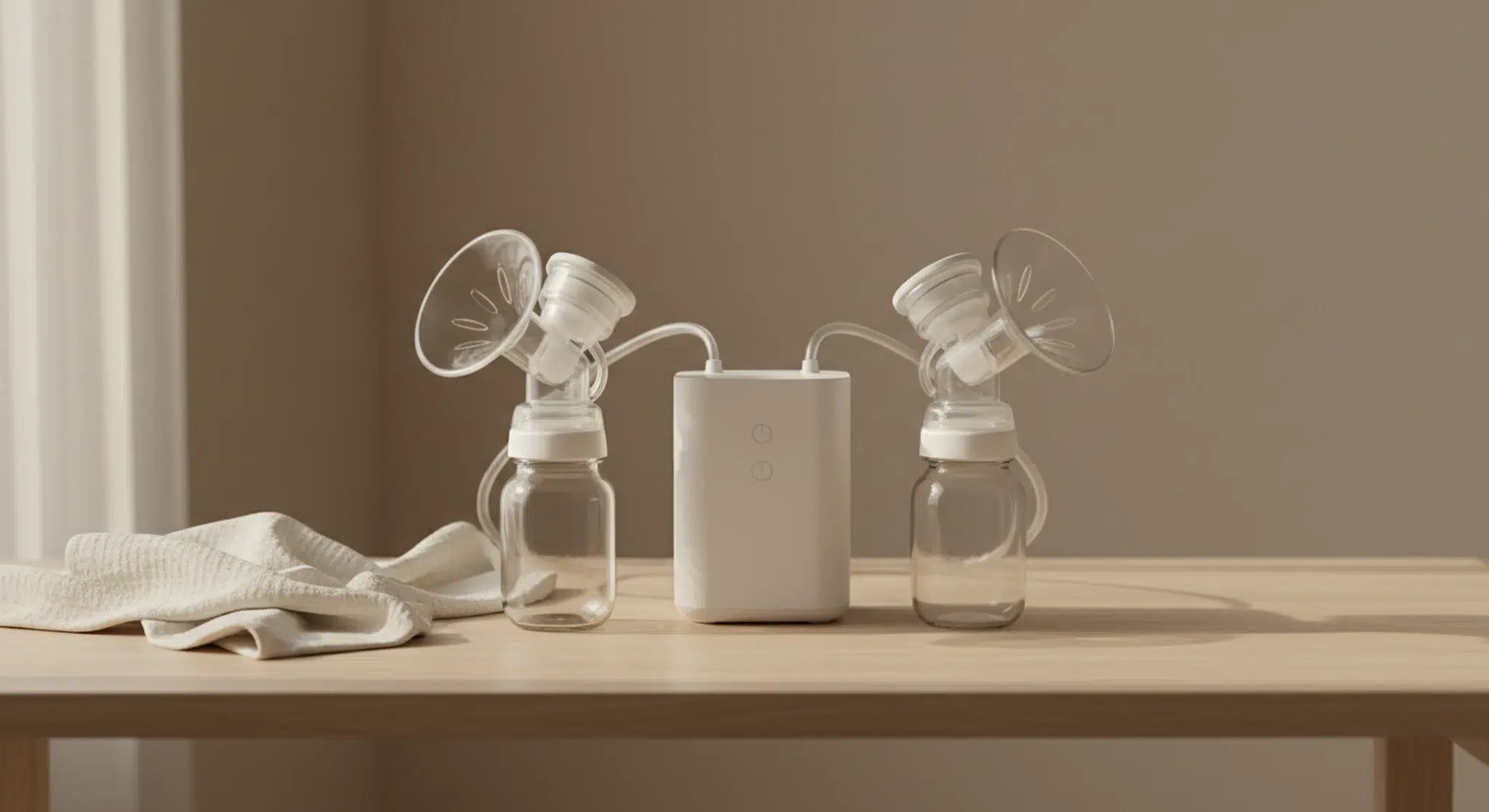
Breast pain after pumping is common but not something you have to live with, and the two usual culprits, the wrong flange size and suction turned up too high, are both easy to fix at home.
If pumping leaves your nipples sore, your breasts aching, or your skin cracked, you are not doing anything wrong and you are far from alone. Pumping is not supposed to hurt, and when it does, it is almost always a fixable sign that the fit, the settings, or your technique needs a small change.
This guide walks through why breast pain happens after pumping, how to tell ordinary soreness from actual tissue damage, the deeper causes like clogged ducts and mastitis, and exactly how to get comfortable again, including the warning signs that mean it is time to call your provider or a lactation consultant.
Key Takeaways
Pumping should not be painful; lingering or worsening pain points to a fixable cause, not toughening up.
The wrong flange size is the number one reason pumping hurts; measure your nipple and size each breast separately.
Higher suction does not mean more milk; run the lowest setting that still drains the breast well.
Signs of tissue damage include cracks, bleeding, blisters, bruising, and a creased or flattened nipple after pumping.
Fever with a red, hot, painful breast can mean mastitis and warrants a same-day call to your provider.
Table of Contents
Is Breast Pain After Pumping Normal?
Some tenderness in the first week or two of pumping is common, but pain that lingers, sharpens, or shows up every single session is not something you have to accept. Pumping is not supposed to hurt. When it does, your body is usually telling you that something about the fit, the settings, or your technique needs a small adjustment.
In the earliest days, your nipples and areola are still getting used to the tug of suction, and mild sensitivity that eases within the first minute of a session is generally nothing to worry about. What is not normal is pain that builds as you pump, pain that keeps going after you stop, cracked or bleeding skin, or a deep ache in the breast. Those are signals worth chasing down, because most of them have a clear and fixable cause.
The reassuring part is that the two most common reasons pumping hurts, the wrong flange size and suction turned up too high, are both easy to correct at home. Work through the causes below in order, and you will usually find the culprit quickly.
The Most Common Cause: Flange Fit
A flange is the funnel-shaped piece that sits against your breast, and its size matters more than almost anything else about your pump. Flanges are measured by the diameter of the tunnel in millimeters, and the number that ships in the box is rarely the right one for you. A flange that is too large pulls too much areola into the tunnel and rubs; one that is too small pinches the nipple against the sides. Either way, you get friction, and friction is pain.
To find your size, measure the diameter of your nipple (just the nipple, not the areola) in millimeters, then add a couple of millimeters for comfort. Many parents need a smaller size than they expect, and it is normal for your two sides to need different sizes. Nipple size also changes over weeks of pumping, so a flange that fit at the start may need to be re-sized later.
What you see while pumping
What it usually means
What to try
Nipple rubs the sides of the tunnel, turns white
Flange too small
Size up 2–3 mm
Lots of areola pulled in, poor seal, milk leaks
Flange too large
Size down, or try an insert
Nipple moves freely, breast drains, no pain
Correct fit
Keep this size
One side hurts, the other is fine
Sizes differ side to side
Measure and size each breast separately
A quick flange-fit troubleshooting guide. When in doubt, an IBCLC can measure you and confirm the size.
If a standard flange still feels off, silicone inserts and specialty flange shapes can fine-tune the fit without buying a whole new pump. A lactation consultant can measure your nipples and watch a session to spot problems you cannot see yourself.
Pump Settings and Technique
Higher suction does not mean more milk. Turning the vacuum up past what is comfortable is one of the fastest ways to bruise nipple tissue, and it often lowers output because pain triggers stress hormones that work against your let-down. Run the pump at the lowest setting that still moves milk well, not the highest you can tolerate.
Most pumps have two phases: a fast, light stimulation phase that mimics a baby’s initial quick suckle, and a slower, stronger expression phase for the milk flow that follows. Let the pump switch to expression only after your milk lets down, and keep the vacuum at a level that feels like a firm but painless pull. If a strong setting is not producing more milk, dial it back.
Session length matters too. Pumping far longer than it takes to drain the breast, or pumping dry breasts on high suction, chafes the skin for no benefit. Ten to twenty minutes, or a few minutes past the last drops of milk, is plenty for most sessions. Center your nipple in the tunnel before you start, glance down midway to make sure it has not drifted to one side, and stop if the pain climbs rather than fades.
Pumping around the clock and running on empty?
Feeding struggles and short nights feed each other. Our free quiz builds a sleep plan matched to your baby’s age and stage so you can get more rest.
Sore Nipples and Signs of Tissue Damage From Pumping
Sore nipples from pumping almost always trace back to friction: the wrong flange, an off-center nipple, suction set too high, or dry, chapped skin. Before you assume the worst, check those four things, because correcting them usually resolves the soreness within a day or two.
It is worth knowing the difference between ordinary soreness and actual tissue damage, because damaged skin needs gentler handling and, sometimes, a professional look. Signs of breast tissue damage from pumping include cracks or splits in the nipple, bleeding, blisters or a shiny raw surface, bruising or a persistent purple tint, and a nipple that comes out of the flange creased, flattened, or lipstick-shaped instead of round. A brief color change to white right after pumping that fades on its own is common, but skin that stays broken, blanched, or discolored is a sign to stop and reassess the fit.
Cracked, split, or bleeding nipple skin
Blisters, or a shiny, raw, weepy surface
Bruising or a purple tint that does not fade quickly
A creased, flattened, or wedge-shaped nipple after pumping
Pain that keeps going long after the session ends
Cracked or bleeding skin raises the risk of infection, so it deserves prompt attention rather than pushing through. In the meantime, keep the area clean, lubricate before pumping, and protect healing skin between sessions. Our guide to breastfeeding basics and latch covers positioning tips that also reduce nipple stress if your baby nurses as well as takes bottles.
Other Causes of Breast Pain: Beyond the Nipple
When the pain is deeper in the breast rather than at the nipple, or when it comes with swelling, lumps, or a fever, the cause is usually something other than flange fit. These conditions are common and treatable, but a few need medical care quickly, so it helps to recognize them.
Condition
What it feels like
What helps
Engorgement
Whole breast swollen, hard, tight, tender
Frequent draining, cold packs between sessions, gentle hand expression to soften before latching or pumping
Clogged duct
A firm, tender lump in one spot
Keep draining that breast, gentle massage, warmth before and cold after
Nipple vasospasm
Sharp, throbbing pain with the nipple blanching white then red or purple, often triggered by cold
Keep warm after pumping, check flange fit and latch, ask your provider about persistent cases
Mastitis
A red, hot, painful area with fever, chills, or flu-like aches
Keep milk moving, rest, fluids, and call your provider promptly; antibiotics are sometimes needed
Thrush
Burning, itching, shiny or flaky nipples, sometimes white patches in baby’s mouth
See your provider; both you and baby usually need treatment
Common causes of deeper breast pain and first steps for each. Fever, a red hot breast, or flu-like symptoms warrant a same-day call to your provider.
Engorgement and clogged ducts often respond to keeping milk moving and treating the area gently, while mastitis, which brings fever and a red, hot, painful breast, needs a prompt call to your provider. If you are cutting back on sessions and the fullness is part of the problem, our guide to weaning off the pump gradually explains how to drop sessions slowly to avoid engorgement and clogs.
How to Relieve Breast Pain After Pumping
Once you have addressed the cause, a few simple measures make the recovery between sessions far more comfortable. Start gentle and build up only if you need to.
Lubricate before pumping with a few drops of your own breast milk, lanolin, or a food-grade oil such as coconut oil to cut friction
Apply a cold pack wrapped in a thin cloth for five to ten minutes after pumping to calm swelling and inflammation
Use gentle warmth and light massage toward the nipple before a session if you have a clog or engorgement
Protect healing skin between sessions with breast shells or silver nursing cups so fabric does not rub
Consider an over-the-counter pain reliever such as ibuprofen or acetaminophen, following the label and checking with your provider if you have any health conditions
Let raw skin air-dry for a few minutes after pumping before covering it
Give any change a session or two to show results. If the right flange size, lower suction, and good lubrication do not bring relief within a couple of days, that is your cue to get a professional set of eyes on your setup.
How to Prevent Pain at Your Next Session
Prevention is mostly about getting three things right every time: fit, settings, and skin care. Build a quick pre-pump routine and the painful sessions usually stop.
Confirm your flange size and re-measure every few weeks, since nipple size changes
Center the nipple in the tunnel and check it again partway through the session
Start on a low, comfortable suction and only raise it if milk is not flowing
Lubricate before pumping and keep sessions to the time it takes to drain, not longer
Keep skin clean and moisturized, and treat any crack or blister before it worsens
If you also bottle-feed expressed milk, pairing a comfortable pump routine with a calm, baby-led bottle pace helps the whole feeding day run smoother. See our notes on paced bottle feeding for how to keep bottles gentle on your baby, and power pumping if you are pumping to build supply and want to do it without overworking your tissue.
Should You Keep Pumping Through the Pain?
If a session hurts and the pain does not ease within the first couple of minutes after you re-center the nipple and lower the suction, pause. Check the flange placement, look for cracks or blisters, and see whether your breast is too full to seal well. If everything looks okay, you can try again gently.
Stopping cold is not usually the answer either, because skipping sessions can lead to engorgement, clogged ducts, or a dip in supply. When friction is clearly the problem, switching to careful hand expression for a session or two protects the skin while still moving milk. For pain that will not settle, a lactation consultant can build a short-term plan that keeps your supply up while your tissue heals.
When to Call a Lactation Consultant or Doctor
Most pumping pain is solved at home by re-sizing the flange, lowering the suction, and protecting the skin. But some situations call for professional help sooner rather than later, both to relieve you faster and to rule out anything that needs treatment.
Nipples that are cracked, bleeding, or not healing, since broken skin raises infection risk
A red, hot, painful area of the breast with fever, chills, or flu-like aches, which can signal mastitis
Burning, itching, shiny or flaky nipples, or white patches in your baby’s mouth, which can signal thrush
Pain that does not improve after correcting flange fit and suction, or that continues past the first two weeks
Help measuring for the right flange size or dialing in your pump settings
An International Board Certified Lactation Consultant (IBCLC) can measure your nipples, watch a full session, and adjust your setup in ways that are hard to troubleshoot alone. Reaching out early tends to shorten the whole ordeal, protect your supply, and make pumping something you can keep doing comfortably.
Frequently Asked Questions
How long does breast pain after pumping last?
It depends on the cause. Soreness from a fit or technique problem often eases within a day or two once you correct the flange size, lower the suction, and lubricate the skin. Pain from a clogged duct, engorgement, or an infection lasts until that condition is treated. Pain that keeps going past the first couple of weeks, or that comes with fever or broken skin, should be checked by a provider.
Why do my nipples hurt after pumping even with the right flange?
Fit is the biggest factor, but not the only one. Suction set too high, an off-center nipple that rubs the side of the tunnel, dry or chapped skin, or pumping longer than it takes to drain can all cause soreness with a correctly sized flange. Lower the vacuum, center the nipple, lubricate before pumping, and keep sessions to the time it takes to empty the breast.
What are the signs of breast tissue damage from pumping?
Watch for cracks or splits in the nipple, bleeding, blisters or a shiny raw surface, bruising or a lasting purple tint, and a nipple that comes out creased, flattened, or wedge-shaped. A brief blanch to white that fades on its own is common, but skin that stays broken or discolored means you should stop, reassess the flange fit and suction, and protect the area while it heals.
Can pumping too much cause breast pain?
Yes. Pumping far longer than needed, running dry breasts on high suction, or pumping so often that you build an oversupply can all cause pain, through friction on one hand and engorgement or clogged ducts on the other. Aim to drain the breast comfortably rather than pump as long or as hard as possible.
Should I stop pumping if it hurts?
Pause the session, re-center the nipple, lower the suction, and check for cracks or blisters. If it still hurts, hand express for that session to keep milk moving while protecting your skin, rather than stopping entirely, since skipped sessions can cause engorgement or a supply dip. If the pain keeps returning, ask a lactation consultant to review your setup.
A well-fed baby and a rested parent go together
Take our free 3-minute sleep quiz for a plan matched to your baby’s age, feeding stage, and current sleep habits.