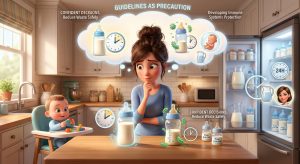
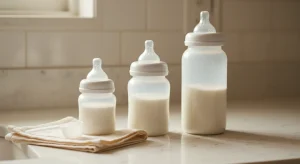
Prepared formula is safe at room temperature for about one to two hours, but once your baby has started drinking a bottle you should use it within one hour and throw away whatever is left, since bacteria from the mouth can grow in the leftover milk.
Formula feeding comes with a set of timing rules that can feel confusing at 3 a.m. The good news is that they are simple once you separate the two situations that matter most: a bottle that has been sitting out untouched, and a bottle your baby has already started to drink.
Here is exactly how long prepared formula lasts at room temperature and in the fridge, why those limits exist, and the signs it is time to pour a bottle out.
Key Takeaways
Freshly prepared formula is safe at room temperature for up to about 2 hours.
Once feeding begins, use the bottle within 1 hour, then discard the rest.
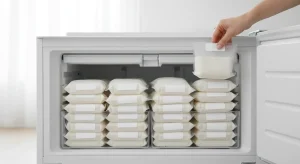
Prepared formula keeps in the fridge for up to 24 hours if your baby has not drunk from it.
Never save leftover formula from a bottle your baby has already used.
When in doubt, throw it out, since young babies are vulnerable to foodborne illness.
Table of Contents
Formula Storage Times at a Glance
Guidance from the FDA, CDC, and pediatric groups lines up closely. The key is that time starts ticking the moment formula is prepared, and a second, shorter clock starts the moment your baby begins to feed.
Situation
How long it stays safe
Freshly prepared, untouched, at room temperature
Up to about 2 hours (the AAP advises using it within 1 hour to be safe)
Prepared and stored in the refrigerator, untouched
Up to 24 hours
Bottle your baby has started drinking
Within 1 hour, then discard the leftover
Opened ready to feed or liquid concentrate, refrigerated
Up to 48 hours
Warmed formula
Use within 1 hour, do not put it back in the fridge
Typical ranges. Small variations are completely normal.
If you know a feeding may be interrupted or slow, it is safer to prepare a bottle and refrigerate it until just before you need it, rather than leaving it out on the counter.
Why the One Hour Rule Matters Once Feeding Starts
The reason a partly finished bottle has a shorter shelf life is simple. As your baby drinks, a small amount of saliva flows back into the bottle. That saliva carries bacteria, which can multiply in the warm, nutrient rich formula. Even if the bottle looks fine, those bacteria can grow to levels that may upset a young baby’s stomach.
That is why the guidance is firm: once your baby has started a bottle, finish it within an hour and discard whatever remains. It feels wasteful, especially with expensive formula, but newborns and young infants have immature immune systems and are more susceptible to foodborne illness than older children.
Prepare smaller amounts if your baby often leaves formula behind, so you waste less.
Do not top off an old bottle with fresh formula.
If your baby falls asleep mid feed, note the time and use the one hour limit.
Label refrigerated bottles with the time you made them.
Struggling with your baby’s sleep?
A personalized plan meets your baby where they are, at every age and stage.
Warm bottles by standing them in warm water or using a bottle warmer, not the microwave, which creates hot spots that can burn your baby’s mouth. Once a bottle is warmed, use it within an hour and do not rewarm or refrigerate it again.
For outings, carry cold, pre made bottles in an insulated bag with an ice pack, or bring room temperature water and add powder right before feeding. Powdered formula is not sterile, so for very young or vulnerable infants, some clinicians suggest preparing with water heated and then cooled to protect against rare but serious bacteria. Always follow your pediatrician’s advice and the instructions on your formula label.
Warm bottles in warm water, never the microwave.
Use insulated bags with ice packs when out and about.
Mix powder into water fresh at the destination when you can.
Discard any bottle that has been out of the fridge for more than 2 hours.
Feeding and sleep are tightly linked in the early months. For how much your newborn needs at each feed, see our guide on how much a newborn should eat, and if gas or fussiness is part of the picture, our guides on colic and baby sleep schedules by age can help you plan calmer days and nights.
Frequently Asked Questions
How long can prepared formula sit out at room temperature?
Freshly prepared formula that your baby has not touched is generally safe at room temperature for up to about two hours. The AAP suggests using it within one hour to be extra safe. After that, throw it away rather than risk bacterial growth.
Can I save a bottle my baby did not finish?
No. Once your baby has started drinking, bacteria from their saliva enter the bottle and can multiply. Use a started bottle within one hour and discard whatever is left. Do not refrigerate or reuse leftovers from a bottle your baby drank from.
How long does prepared formula last in the fridge?
Prepared formula that your baby has not fed from can be stored in the refrigerator for up to 24 hours. Opened containers of ready to feed or liquid concentrate formula keep for up to 48 hours. Always keep them in the main body of the fridge, not the door.
Is it safe to reheat formula?
Warm a bottle only once, using warm water or a bottle warmer rather than a microwave. Use it within an hour of warming and do not reheat or return it to the fridge, since repeated warming encourages bacteria to grow.
What happens if my baby drinks formula that sat out too long?
Most of the time nothing serious happens, but there is a risk of an upset stomach, vomiting, or diarrhea from bacterial growth. If your baby shows these symptoms, seems unwell, or has signs of dehydration, contact your pediatrician.
Feeding and sleep, sorted in one plan
Get a personalized plan that fits your baby’s feeds, wake windows, and naps.