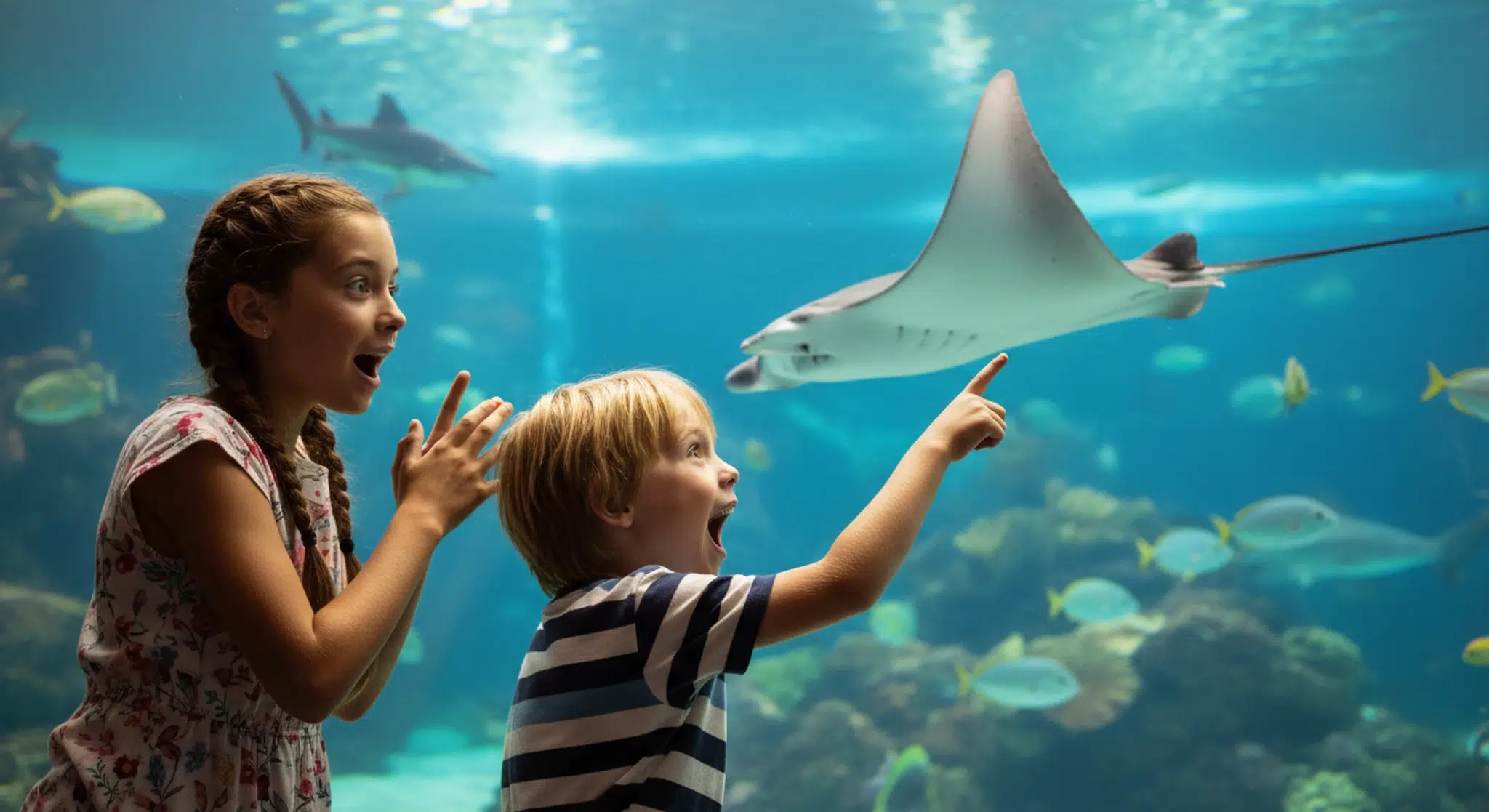
Fun facts about animals are the easiest way to turn any child into a curious little scientist, because almost every kid is already amazed by creatures, and one surprising true fact is all it takes to send them looking for more.
From octopuses with three hearts to birds that fly backwards, the animal kingdom is stuffed with facts that sound made up but are completely real. Below you will find more than 50 fun animal facts for kids, sorted by animal group so you can find the perfect one fast.
We have grouped them into mammals, ocean animals, birds, bugs, reptiles and amphibians, plus a batch of record-breakers, and checked each one against reliable sources so your child can share them with total confidence.
Key Takeaways
Animal facts are a natural gateway to a lifelong love of science.
Facts are sorted by group: mammals, ocean, birds, bugs, reptiles, and record-breakers.
Standouts include octopuses with three hearts and the peregrine falcon diving over 200 mph.
Follow a fact into a video, book, or zoo trip to turn curiosity into real learning.
Every fact here is true and source-checked, so kids can repeat them proudly.
Table of Contents
Fun Facts About Mammals
Mammals are the animals kids know best, which makes the surprising facts about them even more fun. Bet your child has never heard these.
A sloth can take up to a month to digest a single leaf, and it only comes down from its tree about once a week.
Cows have best friends and get stressed when they are kept apart from them.
Sea otters hold hands while sleeping so the current does not push them apart.
A giraffe’s tongue can be up to 20 inches long, and it is dark blue-purple to protect it from sunburn.
Elephants are the only animals that cannot jump.
A group of hedgehogs is called a prickle.
Bats are the only mammals that can truly fly.
Otters have a favorite rock they use to crack shells, and they keep it in a pouch of loose skin under their arm.
Fun Facts About Ocean Animals
The ocean is home to some of the strangest, most amazing animals on Earth. These facts feel almost too wild to be true, but they are.
Octopuses have three hearts, nine brains, and blue blood.
A shrimp’s heart is located in its head.
Starfish do not have a brain or blood, and they can regrow lost arms.
The blue whale is the largest animal that has ever lived, bigger than any dinosaur, and its heart is about the size of a small car.
Some jellyfish can glow in the dark, and one species is considered biologically immortal.
Seahorses are the only species where the dad, not the mom, gets pregnant and gives birth.
A group of jellyfish is called a smack.
Clownfish can change from male to female, and they are protected from sea anemone stings by a special mucus.
Big kids keep you busy, little ones keep you up.
If a younger sibling is still fighting sleep, our free quiz builds a personalized plan in a few minutes.
Animal facts are the ultimate gateway to a love of science, because almost every child is already fascinated by creatures. When a fact lands, follow it: pull up a short video of the animal, check out a library book, or plan a trip to the zoo or aquarium to see it in person. That thread from surprise to real-world discovery is how a fun fact becomes a lasting interest.
Let your child specialize. Once a kid becomes the family’s shark expert or the resident authority on octopuses, they gain both knowledge and the confidence that comes from truly knowing something. Ask them to teach you a new animal fact each week, because explaining a fact out loud is one of the most powerful ways to remember it and to build the language skills that carry over into school.
Frequently Asked Questions
What is a cool fun fact about animals?
One of the coolest is that octopuses have three hearts, nine brains, and blue blood. Kids also love that sea otters hold hands while they sleep so they do not float apart, and that a group of flamingos is called a flamboyance. The best animal facts are short, surprising, and easy to picture.
What animal facts do kids love the most?
Kids are especially drawn to record-breakers and body oddities: the cheetah as the fastest land animal, the blue whale as the largest animal ever, butterflies tasting with their feet, and elephants being the only animal that cannot jump. Extreme and weird facts stick best.
Are these animal facts actually true?
Yes. Every fact in this guide has been checked against reliable science sources such as the Smithsonian, National Geographic, and reputable wildlife organizations. Animal facts spread fast, so we made sure these are accurate before your child repeats them at school.
How do animal facts help a child learn?
Animal facts spark curiosity, and curiosity is the engine of learning. A single fact can lead a child to look up a video, read a book, or ask a dozen follow-up questions, all of which build vocabulary, memory, and early science thinking in a way that feels like pure fun.
What is a good animal fact for a school project?
Great project-ready facts include that the Arctic tern makes the longest migration of any animal, that tardigrades can survive in space, and that some frogs freeze almost solid in winter and thaw out alive. These facts are memorable and lead naturally into deeper research.
Fun by day, rest by night.
Betteroo helps the whole family sleep better. Take the free two-minute quiz for a plan tailored to your child.