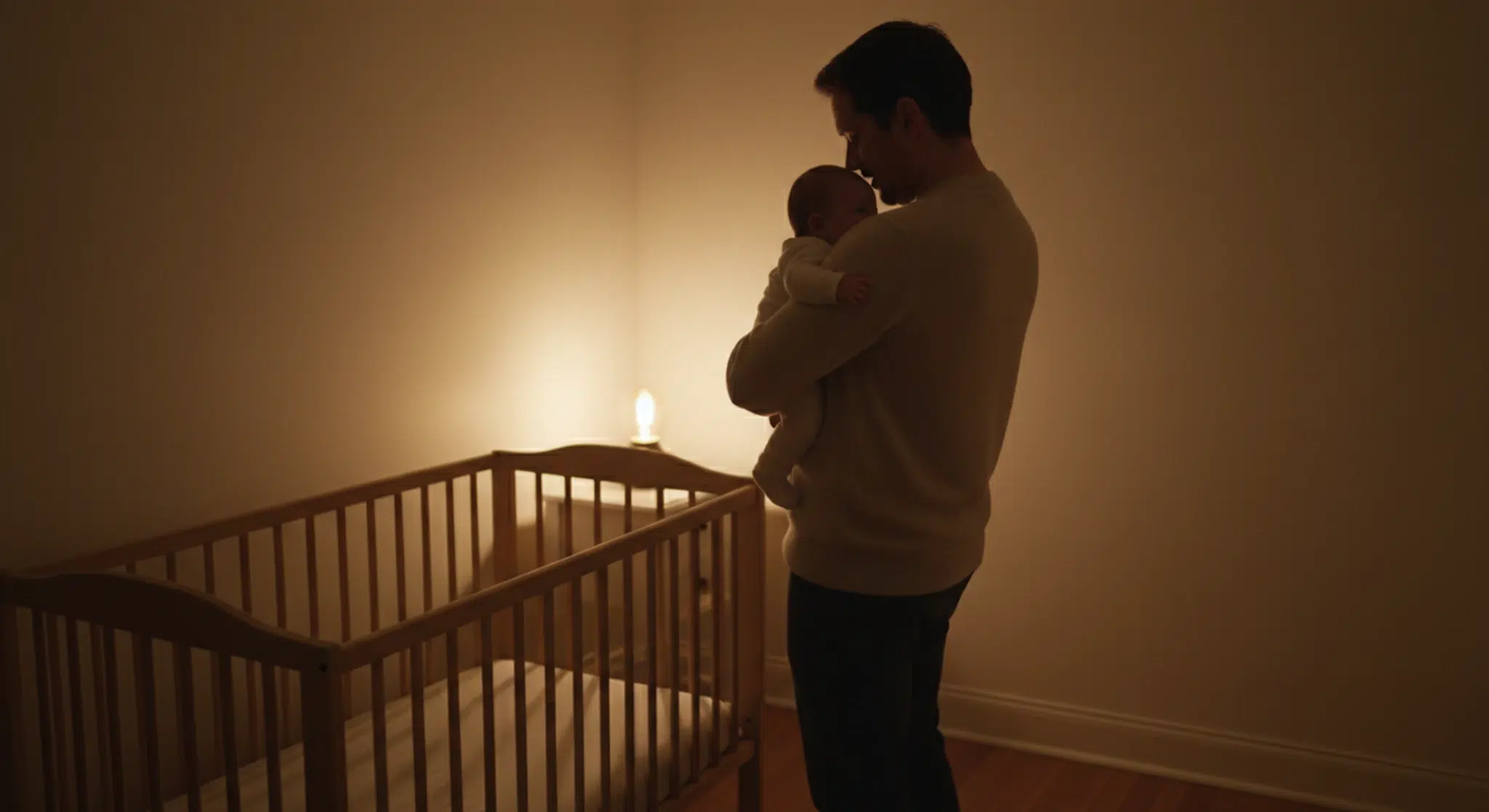
When a baby wakes up every hour, it is almost always a sign that something is repeatedly interrupting the transition between sleep cycles: a sleep association that needs recreating, hunger, discomfort, or a schedule that has drifted off. The good news is that hourly waking is usually driven by one or two identifiable causes, and connected sleep can be rebuilt once you find them.
Few things wear parents down like a baby who wakes every 45 to 60 minutes all night long. It is beyond tiring, and it can feel like your baby has simply forgotten how to sleep. In reality, waking briefly between sleep cycles is normal for everyone. The problem is not the waking itself; it is that your baby cannot get back to sleep without help, so every cycle ends in a full call for you.
This guide walks through the usual reasons behind hourly waking, how to figure out which apply to your baby, and a practical path to longer stretches. Because more than one cause often stacks together, the aim is to work through them methodically rather than looking for a single silver bullet.
Key Takeaways
Brief wakings between sleep cycles are normal; needing help to resettle every time is what causes hourly waking.
The leading cause is a sleep association: your baby falls asleep with rocking, feeding, or holding, then needs it recreated each cycle.
Hunger, discomfort, illness, and teething can all fragment the night.
A schedule that is off, or an overtired baby, produces lighter, more broken sleep.
Sleep cycles in babies are short (about 40 to 60 minutes), which is why waking clusters at that interval.
The fix is to identify the cause, then help your baby learn to link sleep cycles more independently.
Table of Contents
Why Babies Wake Between Sleep Cycles
Everyone, adults included, surfaces briefly at the end of each sleep cycle. In babies those cycles are short, roughly 40 to 60 minutes, which is exactly why hourly waking is such a common pattern. At each of those transitions, your baby does a quick check: does everything feel the same as when I fell asleep? If it does, they slip into the next cycle. If it does not, they wake up fully and call for whatever was there at the start.
That single idea, the end-of-cycle check, explains most hourly waking. If your baby fell asleep being rocked or fed, and now finds themselves alone in a still crib, the mismatch wakes them. The waking is not misbehavior or a lost skill; it is your baby noticing that conditions changed and asking for them back.
Quick Answer
Babies wake briefly at the end of each short (40 to 60 minute) sleep cycle. Hourly waking happens when your baby cannot resettle independently, usually because they fell asleep with help, are hungry or uncomfortable, or their schedule is off.
The Most Common Causes of Hourly Waking
Sleep associations. Falling asleep while being rocked, fed, held, or with a pacifier that keeps falling out. The baby recreates the search for it every cycle.
Hunger. Common in young babies, during growth spurts, or if daytime feeds are getting squeezed.
Overtiredness. A baby who went to bed overtired sleeps more lightly and wakes more often.
Undertiredness or too much day sleep, which lowers the sleep pressure that holds the night together.
Discomfort: teething, reflux, a stuffy nose, being too hot or too cold, or an itchy skin flare.
Illness or a developmental leap or sleep regression, both of which are temporary.
Environment, such as a room that is too bright, too warm, or too quiet at the moments household noise picks up.
If the pattern started suddenly in a baby who used to sleep in longer stretches, think illness, teething, a leap, or a schedule that recently changed. If it has always been this way, a sleep association is the most likely driver.
How to Find Your Baby’s Cause
Spend two or three nights observing before you change anything. Note how your baby falls asleep at bedtime, what it takes to resettle them at each waking, whether they feed eagerly or just comfort-suck, and any signs of pain or congestion. The way your baby goes back to sleep is the biggest clue: if a quick rock or a few minutes of feeding sends them right back down every hour, you are almost certainly looking at a sleep association.
Rule out the fixable physical causes first. Check the room temperature and dress your baby in light, breathable layers, per our guide to dressing a baby for sleep. Make sure daytime feeds are full, and treat congestion or obvious teething discomfort. Then look at the schedule using wake windows by age to check your baby is neither overtired nor undertired at bedtime.
Too tired to figure it out alone?
Betteroo pinpoints the likely cause of your baby’s night waking and gives you a step-by-step plan. It takes about two minutes.
Once you have ruled out hunger and discomfort and checked the schedule, the core fix for hourly waking is helping your baby learn to fall asleep, and fall back to sleep, more independently. When a baby can settle in the crib at the start of the night, the end-of-cycle check no longer sets off a full waking, because nothing has changed.
Put your baby down drowsy but awake at bedtime so they practice the last step of falling asleep in the crib.
Fix the schedule first. An age-appropriate bedtime and wake windows reduce the overtiredness that fragments sleep.
Loosen the strongest association gradually. If it is feeding to sleep, try feeding earlier in the routine so it is not the very last thing before the crib.
Keep night resettling calm, dark, and consistent, using the same low-key approach each time so your baby knows what to expect.
Choose an approach you can sustain. Gentle, gradual methods and more structured ones both work; consistency matters more than which one.
Expect it to take several nights of consistency, and expect some unevenness at first. If the hourly waking is new and tied to teething, illness, or a regression, provide extra comfort while it passes and return to your usual approach once your baby is well.
When It Is Temporary
Not every stretch of frequent waking is a habit to fix. Sleep regressions around 4 months, 8 to 10 months, and 12 months, developmental leaps, teething, and illness all cause temporary spikes in night waking. During those windows, the kindest approach is to offer comfort, keep your routine and sleep space consistent, and avoid introducing brand-new sleep crutches you will later have to undo.
If the frequent waking outlasts the illness or leap by more than a couple of weeks, it has usually settled into an association or schedule issue, and the steps above apply.
When to Talk to Your Pediatrician
Frequent night waking is usually about associations, hunger, or timing, but check in if you notice:
Snoring, gasping, mouth breathing, or pauses in breathing during sleep.
Signs of reflux, pain, or persistent discomfort at night.
Poor weight gain or feeding difficulties.
Waking that suddenly worsens and does not improve, or a baby who seems unwell.
A pediatrician can rule out medical causes like reflux, ear infections, or breathing issues that occasionally hide behind frequent waking.
Frequently Asked Questions
Why is my baby waking up every hour at night?
Babies surface briefly at the end of each short (40 to 60 minute) sleep cycle. Hourly waking happens when your baby cannot resettle on their own, most often because they fell asleep with rocking, feeding, or holding and need it recreated each cycle. Hunger, discomfort, teething, illness, and an off schedule can also cause it.
Is it normal for a baby to wake every hour?
Brief wakings between cycles are normal, but needing help to get back to sleep every single hour, all night, is not sustainable and usually signals a sleep association, hunger, discomfort, or a scheduling issue. It is very common and typically improves once you identify and address the cause.
How do I get my baby to stop waking every hour?
Rule out hunger and discomfort, check the room temperature, and confirm the schedule is age-appropriate. Then help your baby practice falling asleep in the crib, drowsy but awake, so the end-of-cycle check no longer triggers a full waking. Keep night resettling calm and consistent, and give it several nights.
Can teething make a baby wake every hour?
Yes. Teething discomfort can fragment sleep for a few days around a tooth coming through. Offer comfort and treat obvious pain as advised by your pediatrician, but keep your routine and sleep space consistent so a short teething spell does not turn into a lasting new habit.
My baby suddenly started waking every hour, why?
A sudden change usually points to something temporary: a sleep regression or developmental leap, teething, illness, or a recent schedule shift such as a dropped nap. Provide extra comfort, hold your routine steady, and avoid new sleep crutches. If it lasts more than a couple of weeks, treat it like an association or timing issue.
Longer stretches are possible
Betteroo finds the likely cause of your baby’s night waking and builds a step-by-step plan to rebuild connected sleep. Start in about two minutes.