
Home
»
Sleep
»
Little Ones vs Betteroo: What You Need to Know

Little Ones vs Betteroo: What You Need to Know

By Betteroo Team ·

Updated

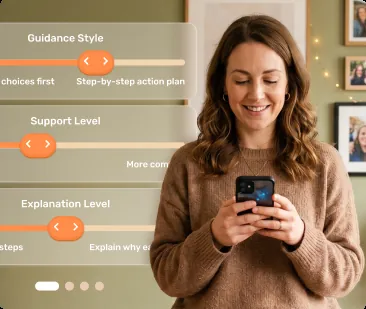
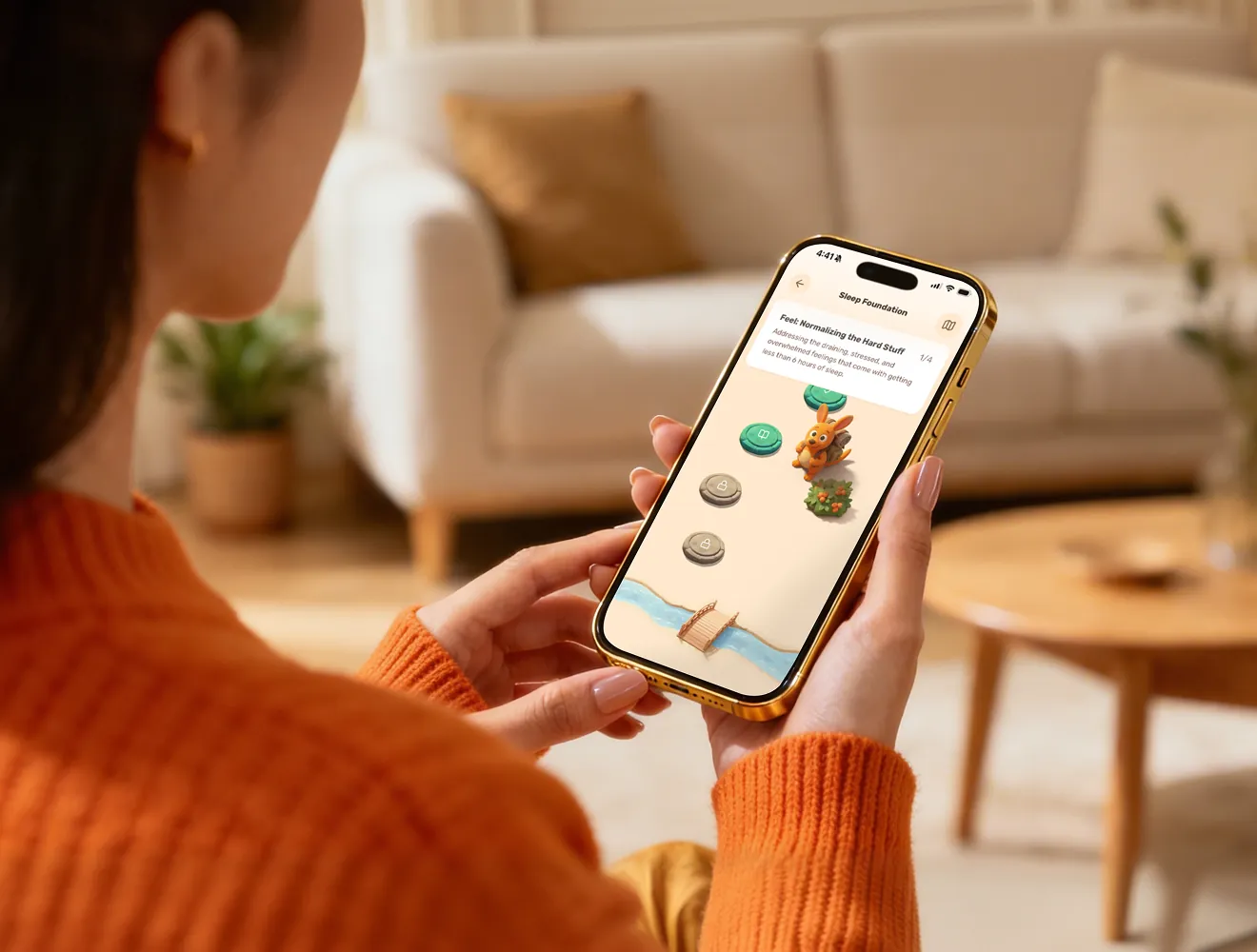
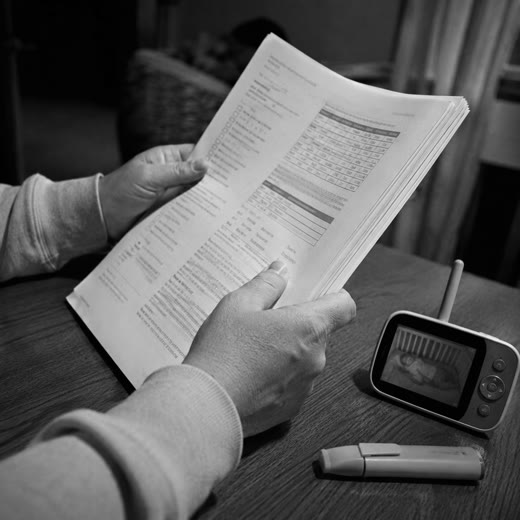
Little Ones vs Betteroo comparison: a parent with the Little Ones sleep library beside the Betteroo app showing a personalized, adaptive daily plan
Rachel Rothman, Co-Founder and Chief Parenting Officer at Betteroo

Written By

Rachel Rothman

Chief Parenting Officer

Dr. Meidad Greenberg, Board-Certified Pediatrician and Pediatric Medical Advisor at Betteroo

Medically Reviewed By

Meidad Greenberg, M.D.

Board-Certified Pediatrician

The Little Ones vs Betteroo question comes up a lot, and here’s the simplest way to think about it: Little Ones is a deep, expert-built sleep library paired with age-based schedules that you navigate and apply yourself, while Betteroo is a personalized app that builds one custom plan from a short quiz and keeps adapting it to your specific baby and your real situation.

We’ll be upfront: we build Betteroo, so we’re not neutral here. But this guide is designed to give you a clear, fair look at both tools, where each one genuinely works well, where they differ, and how to decide what fits your family. Little Ones has helped a lot of families and is a strong, well-established option. The goal here is fit, not a sale.

Quick Answer

Both apps want the same thing for you: a baby who sleeps better and a parent who feels human again. They just take different routes. Little Ones gives you an extensive library of expert content plus age-based schedules and trusts you to find what applies and run it. Betteroo builds one plan around your specific baby and your current capacity, then adjusts it as things shift.

  • Choose Little Ones if: you want a comprehensive, decade-built sleep library to read and browse, age-based schedules you can apply yourself, and the option to message a sleep consultant when you get stuck.
  • Choose Betteroo if: you want one plan built around your baby and your reality from day one, that tracks sleep and feeds for you, and that keeps adapting through regressions, teething, travel, and illness instead of leaving you to figure out what changed.

Feature Comparison

Little Ones vs Betteroo feature comparison
FeatureLittle OnesBetteroo
FormatMobile app with an expert content libraryInteractive app with a daily personalized plan
Age rangeBirth to 3 yearsNewborn to 6 years, one plan that evolves
PersonalizationAge-based schedules you select and adjust yourselfCustom plan from your quiz, adapts over time
Tracking and loggingSleep, feed and diaper trackerFeed, diaper and sleep logging plus predictions
Voice trackingNoYes, log by talking, free in all plans
Expert supportIn-app chat with certified sleep consultantsExpert-built plan, support stays as long as you need
Pricing$14.99/month or $119/year, 30-day money-back guaranteeFrom $1/day, 30-day money-back guarantee
Library and schedules

Little Ones

A deep sleep library with age-based schedules

FormatApp with an expert content library
Age rangeBirth to 3 years
PersonalizationAge-based schedules you select and adjust
Tracking and loggingSleep, feed and diaper tracker
Voice trackingNo
Expert supportIn-app chat with sleep consultants
Pricing$14.99/mo or $119/yr
Tired of reading through advice and still not knowing what to do tonight?
Betteroo’s free 3-minute quiz builds one plan around your baby’s age, temperament and your real situation, then adapts it as things change.
Take the 3-Min Quiz →

What Little Ones Does Really Well

Little Ones earned its reputation for a reason. It was created by Amanda Snedden and Nicky Barker, two pediatric sleep experts, and it has been refined over roughly a decade with more than 800,000 families using it across 90-plus countries. The app pairs an enormous library of expert content with age-based sleep and feeding schedules, and for a lot of parents that depth is exactly what they want. When you have a question at 2 a.m., there is almost always an article, a case study, or a troubleshooting note that speaks to it.

It is also a gentle, no-cry-it-out approach, which matters a great deal to families who do not want a tears-based method. The schedules are organized clearly by age, the Sleep-O-Rhythm feature helps align your baby’s natural rhythms with their daily routine, and you can message a certified sleep consultant inside the app when you get stuck. It is a genuinely strong, well-built tool.

  • A deep, credible content library. Articles, case studies, and troubleshooting notes cover nearly every age, regression, and sleep challenge in detail.
  • Clear age-based schedules. Sleep and feeding schedules and wake windows are laid out by age and update as your baby grows.
  • Built by established experts. A decade of refinement and a large, global user base give the material real credibility.
  • A gentle, no-cry approach. The methods are designed to avoid leaving your baby to cry it out.
  • Consultant chat and community. You can message certified sleep consultants in the app and connect with other parents going through the same thing.
  • Built-in tracker. The app logs sleep, feeds, and diapers so you can see progress over time.

Where Little Ones Can Feel Limiting

None of what follows is a flaw in Little Ones. They are tradeoffs that come with a library-and-schedule model, and it is worth knowing them before you commit so you pick the format that actually matches how you want to be supported.

The biggest one is that a library puts the interpretation on you. Little Ones gives you a great deal of high-quality information and an age-appropriate schedule, but you are still the person who has to find the right article, decide which schedule applies, and work out what changed when things go sideways. Infant sleep patterns vary widely from one baby to the next1, so that translation work is real, and when you are exhausted, having more to read is not always the same as having less to carry.

  • You navigate the library, not a single plan. The content is excellent, but finding and applying the right piece is your job, especially during a rough week.
  • Schedules are age-based templates. They update as your baby grows, but they start from your baby’s age rather than being built from your baby’s own logged patterns and your capacity.
  • No hands-free logging. Tracking is tap-based, so you are still tapping through forms rather than logging the day by voice.
  • Coverage ends around age 3. If you want one tool that carries through the toddler and preschool years, the age range is shorter.
  • It centers the baby’s sleep, not your bandwidth. The schedules assume you can apply them consistently; they are not built around how depleted you actually are.

What Betteroo Is Designed to Do Differently

Full transparency: Betteroo is our product, so we’ve included it here for comparison but encourage you to evaluate it alongside the other options. Here’s what it’s built to do differently from a library-and-schedule app.

It builds one plan, not a library to navigate

Instead of handing you a deep library and a set of age-based schedules to sort through, Betteroo starts with a free 3-minute quiz about your baby’s age, temperament, feeding method, and sleep challenges, and about how you’re actually coping. From that it builds one plan that is yours. You open the app and see the next step, not a search bar. When you are running on no sleep, the difference between “here is everything you could read” and “here is what to do next” is the whole point.

It’s a full tracker with predictions and voice logging

Betteroo does everything a dedicated tracking app does. You can log feeds, diapers, and sleep, and it gives you feeding and sleep predictions so you can see the next nap window coming instead of guessing. It also includes voice tracking, free in every plan, so you can log a whole day just by talking instead of tapping through forms. Little Ones includes a tracker too; the difference is that Betteroo’s tracking feeds directly into the plan and can be done hands-free. You can see how tracking tools compare more broadly in our guide to the best baby tracker apps.

The plan adapts to your baby, not just to your baby’s age

Age-based schedules are a good starting point, but two babies the same age can need very different things. Betteroo’s plan adapts to your individual baby’s logged patterns and your real week, so when a regression hits, when teething blows up bedtime, when you travel, the plan adjusts instead of sitting frozen. It is built to tell you the likely cause, not just hand you another schedule to apply. Our guides to wake windows by age and the baby sleep schedule by age walk through the patterns the plan is designed around.

Expert support is woven into the plan

Betteroo was built with pediatric sleep specialists and developmental psychologists, and that expertise is woven into the plan itself and the support you get when something stops working. Behavioral sleep approaches have a solid evidence base2, and Betteroo supports a range of gentle methods so you choose what aligns with your values rather than overriding your instincts. Our guide to common sleep training methods walks through the landscape.

It’s built around you, not just the baby

This is the part most sleep tools skip. Betteroo’s quiz asks how you’re doing, what your capacity is, and what your real schedule looks like, then builds the plan around that, not around an idealized parent with unlimited time to read. Daily micro-supports take a few minutes, not a study session, because the whole thing assumes you’re depleted. The baby sleeping better is the proof; you getting yourself back is the point.

Where Betteroo May Not Be the Best Fit

We’d rather you pick the right tool than the wrong subscription. Betteroo is not the best fit for everyone, and there are real situations where Little Ones, or another option entirely, is the better call.

  • You want a deep reference library to read. If you like learning the topic thoroughly and browsing detailed articles and case studies, Little Ones’ decade of content is hard to beat.
  • You want the lowest annual cost. Little Ones’ annual plan at $119/year is lighter than Betteroo’s subscription. If price is the deciding factor, that matters.
  • You specifically want the Sleep-O-Rhythm method. If you or another parent recommended Little Ones’ particular approach, follow that. Betteroo is an approach, not a substitute for a recommendation you trust.
  • You already have a system that’s working. If your current app or schedule clicked and your baby sleeps well, you don’t need to switch. Adding a tool you don’t need is just noise.

Pricing and Value Comparison

Subscription pricing

Little Ones

A library and schedules you apply yourself

Cost modelSubscription, monthly or annual
Monthly$14.99/month
Annual$119/year
What you pay forA content library and age-based schedules
Guarantee30-day money-back guarantee

The honest framing here is less about the dollar figure and more about what kind of support you want. Little Ones’ annual plan is the lighter cost, and if price is your main concern, that is a real point in its favor. With Betteroo you pay over time for a plan that does the adapting with you, tracks the day for you, and tells you what to do next so you do not have to hold it all in your head. Both are far less than the $500 to $2,000 a private sleep consultant typically charges. Neither is “better” on price alone, they are priced for different jobs.

Little Ones vs Betteroo: Which One Should You Choose?

It comes down to whether you want a rich library and age-based schedules you run yourself, or one plan that’s built around your baby and keeps adjusting with you. Here’s the clearest way to decide.

Choose Little Ones if:

  • You want a deep, well-built content library you can read and browse.
  • You like having age-based schedules and are comfortable applying them yourself.
  • You want the option to message a certified sleep consultant when you get stuck.
  • You want a long-established program with a recognizable name and the lighter annual price.

Choose Betteroo if:

  • You want one plan built around your specific baby and your current capacity from day one.
  • You want sleep, feeds, and diapers tracked for you, with predictions, including hands-free voice logging.
  • You want the plan to adapt through regressions, teething, travel, and illness instead of staying frozen.
  • You want to be told the likely cause and the next step, not handed more to read.

If You’re Currently Using Little Ones

If you’re using Little Ones and it’s working for your family, you don’t need to switch anything. A library you know how to use and a schedule that’s clicking is a real win, and there’s no prize for adding more tools. Keep going.

You might consider something different if you find yourself reading a lot but still unsure what to actually do, if your baby keeps doing things the schedules don’t quite cover, if every regression sends you back to searching the library, or if you’re tired of being the only one translating all that information into a plan. That’s the gap an adaptive, single-plan tool is built to fill, not because the library was wrong, but because a library can’t see your week.

A Real-World Example

Picture a parent with a 6-month-old who’s hit the 4-month regression late and is now waking every two hours. With Little Ones, they’d open the app, find the 6-month schedule, read the regression article and the relevant troubleshooting notes, and try to work out what’s off, wake windows, an early nap transition, a feeding issue, on their own. The information is excellent; the interpretation is theirs to do, while running on no sleep.

With Betteroo, the same parent has been logging sleep and feeds, or just saying them out loud, so the plan already sees the pattern. It flags the likely cause, adjusts the nap windows, and shifts the approach for the regression, then keeps watching to see if the change worked. Same goal, two very different amounts of mental load on the parent.

How This Fits Into the Bigger Picture

Both apps are just tools. The real question isn’t which one is objectively best, it’s which one reduces what you have to carry. Little Ones puts a deep library and a clear set of schedules in your hands and trusts you to run them. Betteroo builds one plan around your baby and you, tracks the day for you, and keeps adapting so the figuring-out isn’t all yours. If you want to see how app-based tools compare more broadly, our look at whether sleep training apps actually work is a good next read.

Frequently Asked Questions

Is Betteroo just a replacement for Little Ones?+

Not exactly, because they’re built around different ideas. Little Ones gives you a deep library of expert content plus age-based schedules that you navigate and apply yourself. Betteroo builds one custom plan from a short quiz, tracks your baby’s sleep and feeds, and keeps adapting the plan over time. If you want a library to learn from, Little Ones makes sense. If you want a single plan that adjusts with you, that’s what Betteroo is for.

Can I use Little Ones and Betteroo together?+

You can, though most parents don’t need both. Some use one app’s library as background reading and the other as their day-to-day plan. The main thing to watch is that you’re not following conflicting advice from two sources, so pick one as your primary plan and let the other support it rather than running two systems at once.

Is Little Ones or Betteroo better for newborns?+

Both cover the newborn stage. Little Ones has detailed newborn content and schedules built around wake windows and feeding. Betteroo supports newborns from day one and starts by asking how you’re doing, not just how the baby slept, which matters a lot in those first exhausted weeks. For newborns the deciding factor is usually format: a library to read versus a single plan that tracks and adapts.

Does Little Ones include sleep tracking?+

Yes. Little Ones includes a built-in tracker for sleep, feeds, and diapers, so it does more than deliver content. Betteroo also includes full feed, diaper, and sleep logging plus predictions, and adds voice tracking free in every plan so you can log the day by talking instead of tapping. The difference is less about whether tracking exists and more about whether it feeds directly into a single adapting plan.

How much do Little Ones and Betteroo cost?+

Little Ones is a subscription at $14.99/month or $119/year, with a 30-day money-back guarantee. Betteroo is a subscription that starts at about $1/day, with a free 3-minute quiz to start and a 30-day money-back guarantee. Little Ones’ annual plan is the lighter cost; Betteroo is priced for a plan that tracks, predicts, and adapts with you. Both are far less than a private sleep consultant, which typically runs $500 to $2,000.

Is Betteroo worth it if I already use Little Ones?+

If Little Ones is working and your baby sleeps well, you don’t need anything else. Betteroo tends to help when you’re reading a lot but still unsure what to do, when your baby keeps doing things the schedules don’t quite cover, or when every regression sends you back to searching. The free quiz costs nothing, so it’s a low-risk way to see whether a single adaptive plan would close that gap.

Do baby sleep apps actually work?+

They can. Behavioral sleep approaches have a real evidence base, and both a strong library app and a strong adaptive app can deliver one. What actually determines results is fit and consistency: the approach has to match your baby and your values, and you have to be able to follow it. A library app works best when you can do the interpreting yourself; an adaptive plan works best when you want that part handled with you.

Final Take: The Best App Is the One That Reduces Your Mental Load

There’s no single winner in Little Ones vs Betteroo, only the better fit for how you want to be supported. Little Ones gives you a deep, decade-built library and clear age-based schedules, and trusts you to be the one who finds what applies and runs it. Betteroo builds one plan around your specific baby and your real capacity, tracks the day for you, and keeps adjusting through the regressions and curveballs so the figuring-out isn’t all on you.

Ask yourself one question: do you want a library and a schedule to run yourself, or one plan that runs with you? Answer that honestly and the choice gets simple. Either way, the win is the same, a baby who sleeps better and a parent who gets their life back.

Still not sure which one fits your family?
Betteroo’s free 3-minute quiz builds a personalized plan based on your baby’s age, temperament, and your real situation, with a 30-day money-back guarantee if it isn’t the right fit.
Take the 3-Min Quiz →
2 Sources
  1. Mindell, J.A., et al. (2016). Development of Infant and Toddler Sleep Patterns: Real-World Data from a Mobile Application. Journal of Sleep Research, 25(5), 508-516. https://pubmed.ncbi.nlm.nih.gov/27070844/
  2. Mindell, J.A., et al. (2006). Behavioral Treatment of Bedtime Problems and Night Wakings in Infants and Young Children. Sleep, 29(10), 1263-1276. https://pubmed.ncbi.nlm.nih.gov/17068979/
Table of Contents