“Is Santa real?” is one of the biggest questions your child will ever ask you, and how you answer it can turn a moment of possible disappointment into a warm rite of passage.
There is no single perfect answer, because the right response depends entirely on your child, their age, and whether they are looking to keep believing or are quietly ready for the truth. The good news is that a gentle, child-led approach works at almost any age.
This guide walks you through how to answer when your child asks, the signs they may be ready for the truth, a kind way to reveal it, and how to keep the magic alive for younger siblings.
Key Takeaways
When your child asks, answer with “what do you think?” to learn what they actually want.
Most kids start questioning Santa between ages 5 and 8, but it varies widely.
The “you are Santa now” framing turns the reveal into a proud rite of passage.
Enlist older kids as keepers of the secret for younger siblings.
Handled with warmth, the Santa tradition does not damage a child’s trust.
Table of Contents
How to Answer When Your Child Asks
There is no single right answer, but there is a gentle approach that works at almost any age: answer a question with a question. When your child asks “is Santa real?”, try “what do you think?” Their answer tells you whether they want reassurance that the magic is still alive or whether they are quietly ready for the truth.
A young child who asks is usually looking to keep believing, and a warm “what do you think?” lets them stay in the wonder. An older child who has been putting clues together is often signaling that they are ready for an honest conversation. Listening first lets you meet the child where they actually are, rather than answering a question they did not quite ask.
Signs Your Child May Be Ready for the Truth
Most kids begin to question Santa somewhere between ages 5 and 8, though it varies widely and there is nothing wrong with believing longer or figuring it out sooner. Watch for these signs that your child is working it out on their own:
They ask pointed, logical questions: how does he reach every house in one night, how does he fit down the chimney, how do the reindeer fly?
They mention that a friend or older sibling told them Santa is not real.
They notice inconsistencies, like the same wrapping paper or your handwriting on a gift tag.
They ask you directly and hold your gaze, wanting a straight answer rather than a wink.
When these signs stack up and your child asks directly, many parents feel it is time to be honest. Trust your read of your own child: you know better than any guide whether they want the truth or the magic.
A Gentle Way to Tell the Truth
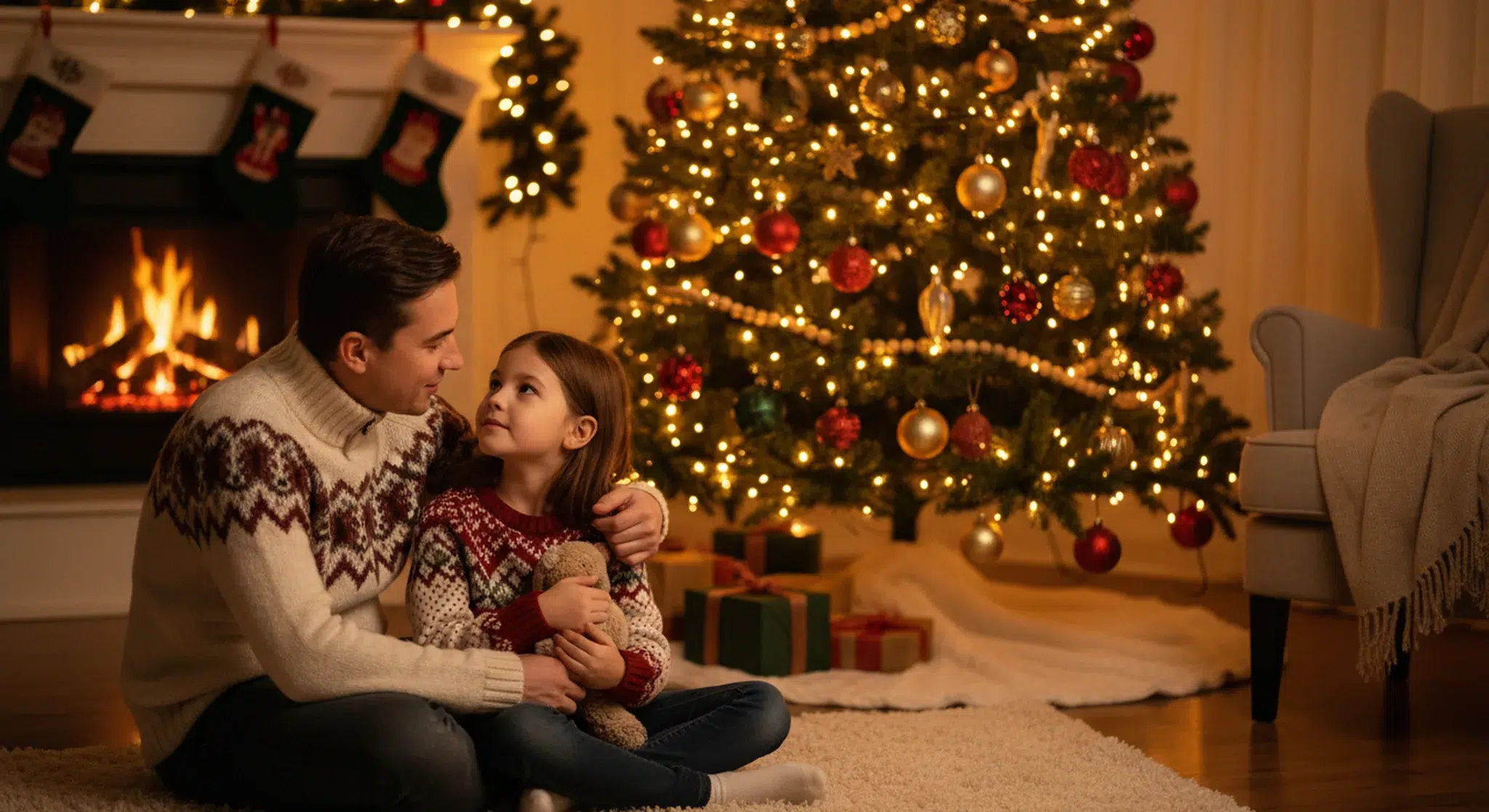
When you decide it is time, you can retire the secret without deflating the magic. One approach many families love is to frame Santa not as a lie but as a role your child is now old enough to join. The conversation might sound like this:
Big kids keep you busy, little ones keep you up.
If a younger sibling is still fighting sleep, our free quiz builds a personalized plan in a few minutes.
“You have asked a really good question, and you are old enough now for the answer. Santa is not one man in a red suit. Santa is the spirit of giving, of surprising the people you love and expecting nothing back. For years we have been Santa for you, and now that you know, you get to be Santa for others. That is a secret you get to keep, and a job you get to do.”
This “you are Santa now” framing turns a moment of possible disappointment into a rite of passage. Children often feel proud and trusted rather than tricked, and they usually throw themselves into keeping the magic alive for younger siblings and friends.
Keeping the Magic Alive for Younger Siblings
If you have younger children still believing, enlist your older child as a keeper of the secret. Most kids take the responsibility seriously and enjoy being on the inside of it. Explain that part of being Santa is protecting the wonder for the little ones, and give them small jobs: helping fill stockings, writing a note “from Santa,” or nibbling the cookies on Christmas Eve.
It also helps to agree on what to say if a younger sibling asks. A simple, kind deflection like “what do you think?” lets the older child honor the secret without lying outright, the same gentle move you used with them. Bedtime on Christmas Eve is often when excitement peaks, so our bedtime stories for kids can help everyone settle down.
Why the Santa Question Matters More Than You Think
How you handle this conversation can shape how your child feels about trust and honesty. Research and child-development experts generally agree that the Santa tradition does not damage a child’s trust in parents, especially when the reveal is handled with warmth and the child is allowed to feel like an insider rather than a victim of a long deception. The imaginative play involved in believing is actually healthy for developing minds.
What matters most is following your child’s lead, being honest when they truly want honesty, and framing the whole tradition as an act of love rather than a trick. Handled that way, the end of believing becomes one more warm memory rather than a loss, and often the start of your child becoming one of the magic-makers themselves.
A Few Reminders for the Conversation
Do not force the reveal before your child is ready. If a young child clearly wants to keep believing, there is no benefit to breaking the spell early, and plenty of reason to let childhood wonder last. Let their questions, not the calendar or other kids, set the pace.
Follow the child’s emotional cue afterward. Some kids feel a pang of sadness, some feel proud and grown-up, and some barely blink. Whatever the reaction, validate it, reassure them that the love and the traditions do not change, and remind them that they now get to help make the magic for someone else.
Frequently Asked Questions
What is the best way to answer when my child asks if Santa is real?
Answer the question with a question: “What do you think?” A young child who wants to keep believing will usually reassure themselves, while an older child ready for the truth will often press for a straight answer. Listening first lets you respond to what your child actually needs rather than guessing.
At what age do kids stop believing in Santa?
Most children begin to question Santa between ages 5 and 8, and many stop believing around ages 7 to 9, but there is a wide normal range. Some kids figure it out earlier, others happily believe longer. Follow your child’s questions and readiness rather than a fixed age.
How do I tell my child the truth about Santa without upsetting them?
Frame Santa as the spirit of giving rather than a single person, and tell your child that now that they know, they get to be Santa for others. This “you are Santa now” approach turns the reveal into a proud rite of passage, so children often feel trusted and included instead of tricked.
Will finding out Santa is not real damage my child’s trust in me?
Generally no. Child-development experts find that the Santa tradition does not harm a child’s trust when the reveal is handled with warmth and the child is treated as an insider rather than a victim of deception. The imaginative belief is a healthy part of childhood, and a loving reveal usually becomes a fond memory.
How do I keep the magic alive for younger siblings?
Enlist your older child as a keeper of the secret and give them real jobs, like filling stockings or writing a note from Santa. Agree on a gentle deflection such as “what do you think?” if a younger sibling asks, so the older child can protect the wonder without lying outright.
Fun by day, rest by night.
Betteroo helps the whole family sleep better. Take the free two-minute quiz for a plan tailored to your child.