JUNE 2026 · 22 DFW SLEEP CONSULTANTS · CHECKED ONE BY ONE
Baby Sleep Consultants in Dallas
Dallas and the Park Cities, the Plano–Frisco–McKinney corridor, Fort Worth and the Mid-Cities. Every consultant here is a real person with a real practice, cross-checked against their own site, certifying body, and Yelp. Search by name, filter by area, or scroll the list. Contact info is right where it should be.
💛 Want a shortlist instead? Our hand-picked DFW top picks are over here: Top picks: Best Baby Sleep Consultants in DFW →
Browse by neighborhood
Each dot is one of the 22 consultants in this directory, placed on their primary service area. Hover for details, click to open the profile, or tap a neighborhood pill below to filter the list.
Find your match
Filter by neighborhood, format (virtual or in-home), or certification, or just type a name. The list below updates as you go.

Alexis Courtney-Torres
Harmony Baby Concierge · Dallas (Park Cities / Lakewood)
Master Newborn Care Specialist · Co-Founder of Harmony Baby ConciergeDallas's upscale newborn-care agency (est. 2019) that layers gentle sleep consulting with night-nanny and postpartum doula support from one vetted team,…
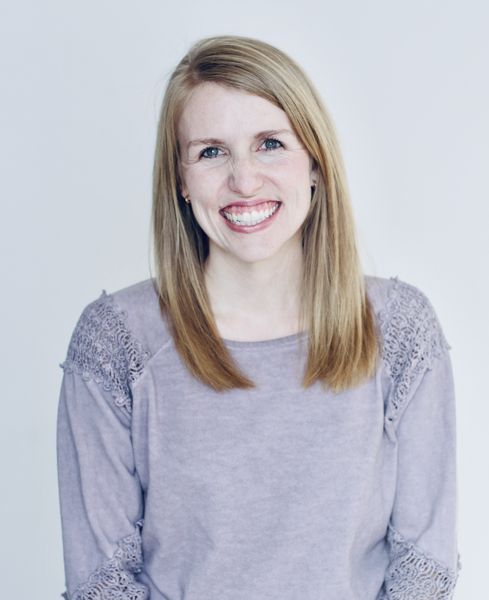
Amanda Lisenby
Sleep Wise Consulting (Dallas consultant) · Dallas
BS, CSWC · former elementary teacher and instructional mentorLocal Dallas-area face of national firm Sleep Wise , an ex-teacher specializing in newborns, infants and toddlers with an empathetic, routine-driven coaching…
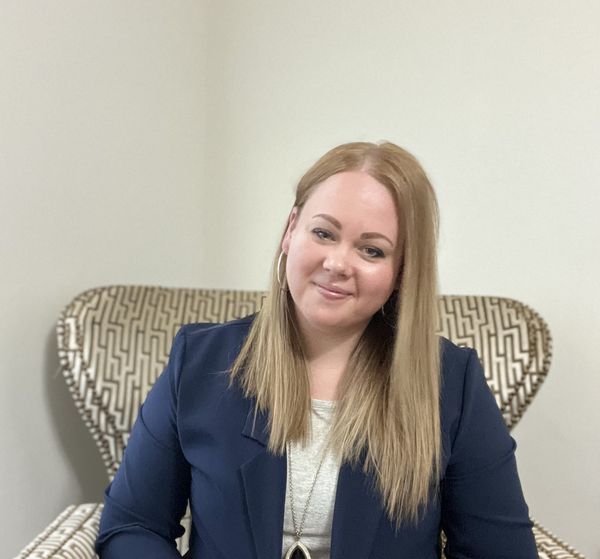
Amanda Owens
Bluebird Sleep Consulting · North Dallas
Certified Pediatric Sleep Sense™ Consultant · 10+ years running a nanny shareFormer decade-long nanny-share runner from Colorado who pitches herself as the schedule-loving 'sleep fairy godmother' for North Dallas families.
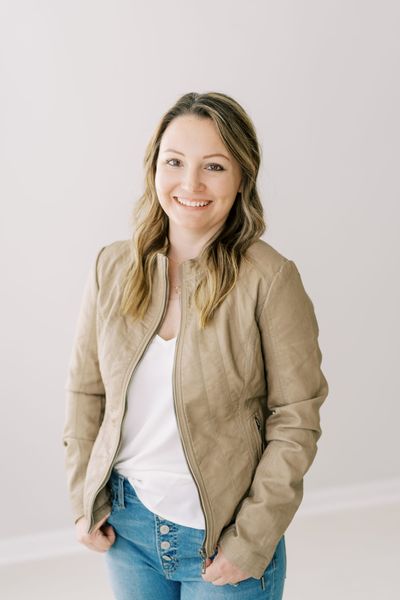
Ashley Olson
Heaven Sent Sleep · Fort Worth
Certified Sleep Consultant · mentors/certifies aspiring sleep consultantsGentle, no-cry-it-out consultant focused on parents with postpartum mood disorders, grown into a multi-consultant brand with a membership community.
Not sure a consultant is the right call?
Try the free Betteroo screen first. Three minutes, a plan tailored to your baby, no signup.
Try the 3-min screen
Bonnie Lehr
Newborn Dream Team / Bedtime with Bonnie (Rest Well Care Collective) · Fort Worth
Internationally CACHE certified Newborn Care Specialist · Pediatric Sleep Coach · certified Postpartum DoulaFort Worth's in-home heavy-hitter: a sleep-forward newborn care team whose signature offer is a 60-hour, three-night in-home sleep learning intensive led by…
Cheryl Abrams
Babymoon Concierge · Fort Worth
Certified Postpartum Doula · Newborn Care Specialist · Night Nanny · Texas Breastfeeding Educator · Community Childbirth EducatorVeteran-founded doula and newborn-care concierge whose founder personally delivers gentle newborn sleep training across Fort Worth, Southlake, Colleyville and…

Cortney Gibson
Gibson Newborn Services · Dallas
Master-Level Newborn Care Specialist · Postpartum Doula · Sleep Coach · Health Coaching CertificationVeteran newborn-care agency (founded 2004, 332,000+ care hours) whose founder pioneered a no-tears 'sleep conditioning' approach blending overnight NCS care…

Danielle Crissman
Mothergood · Dallas–Fort Worth
BSN, RN · Pediatric Sleep ConsultantFormer NICU RN who bridges the gap from hospital to home with RN-crafted newborn education and personalized sleep consulting across DFW and virtually.

Debby Bostrom
Baby Coming Home · Dallas–Fort Worth
Founder, Baby Coming Home — team of certified Newborn Care SpecialistsLong-running newborn care specialist group that places trained overnight baby nurses with DFW families and builds gentle sleep schedules from the first weeks…
Heather Wallace
BraveHeart Consulting · Dallas
Certified Sleep Consultant · Postpartum Doula · B.S. Elementary Education · Love and Logic Parenting FacilitatorSleep consultant and postpartum doula who has coached 350+ families through remote 2-3-week sleep plans and runs a 15K-member mom group focused on baby…
Comparing options? Get a baseline first.
Take the free 3-minute Betteroo screen. Get a plan you can bring to any consultant on this list, or use on your own.
Try the 3-min screen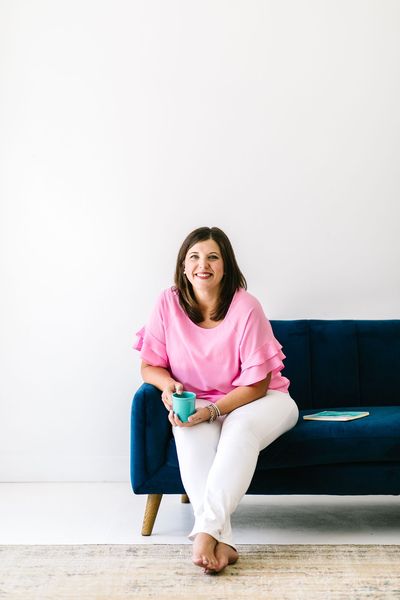
Jessica Bryant
Sleep Happy Consulting · Dallas–Fort Worth
Sleep Strategist · Early Childhood SpecialistTwin-mom 'sleep strategist' with an early-childhood-intervention background, differentiated by whole-family and neurodiverse-friendly coaching rather than…
Kaley Medina
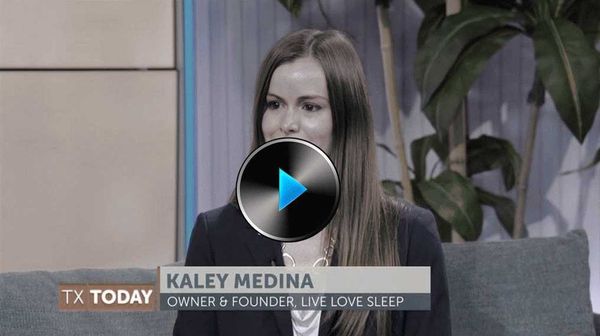
Live Love Sleep® · Dallas
Certified Pediatric Sleep Consultant & Potty Training Coach · IPSP graduateThe most established multi-consultant gentle-sleep-training practice in DFW (3,000+ families since 2016), offering in-home night-one coaching across the…
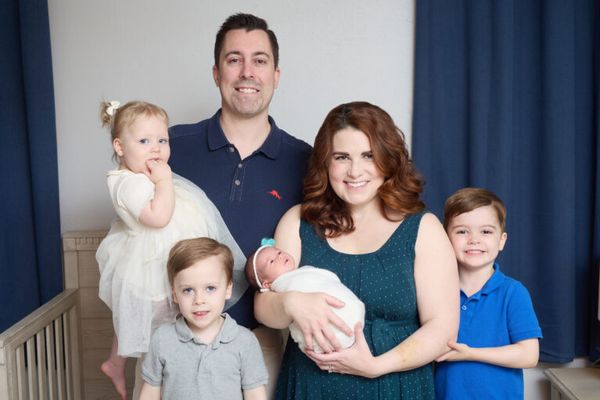
Katie Wolber
Texas Baby Sleep · Dallas (East Dallas / Lakewood)
Certified Child Sleep Consultant · ALPP Certified Lactation Counselor · Child Passenger Safety TechnicianDallas mom of four combining FSI sleep certification with lactation counseling and car-seat-safety expertise into one practical, safety-first family practice.
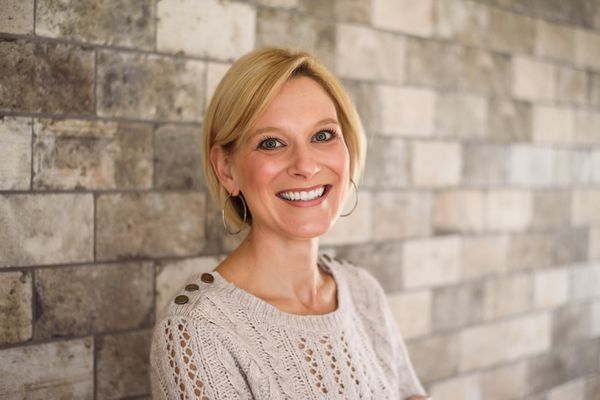
Keriann MacElroy
Dream Factory Sleep Solutions · Frisco
Certified Sleep Sense Consultant · Sleep Sense Mentor · served on Sleep Sense Program's Advisory Board · B.S. Family StudiesFormer social worker (foster care, medically fragile children) running a two-consultant Sleep Sense practice in Frisco handling gentle sleep training from…
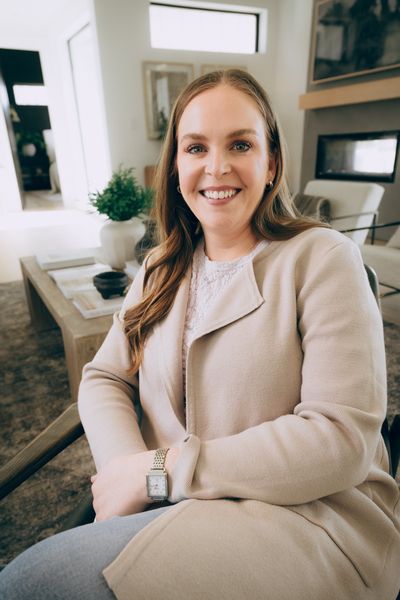
Laura Penn
My Sweet Sleeper (Pediatric Sleep Consultant) · Roanoke
Certified Pediatric Sleep Consultant · Master's in Elementary Education · background in Family Studies and Child DevelopmentTexas-based consultant on the national My Sweet Sleeper team, specializing in newborn-to-3 sleep foundations and daycare-schedule accommodation.
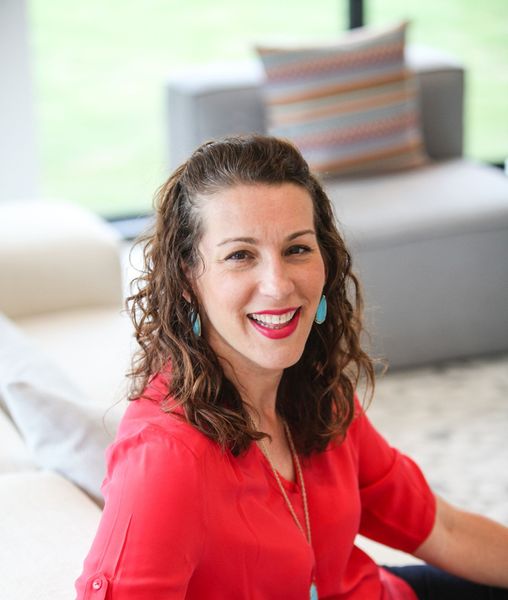
Mary Cantwell
Rest To Your Nest · Dallas (East Dallas / Lakewood)
Certified Child Sleep Consultant · 250+ hours of FSI courseworkAward-winning holistic Dallas sleep consultant (DFW Child 'Best for Moms & Babies' multi-year winner) covering newborn through school-age, one of the…
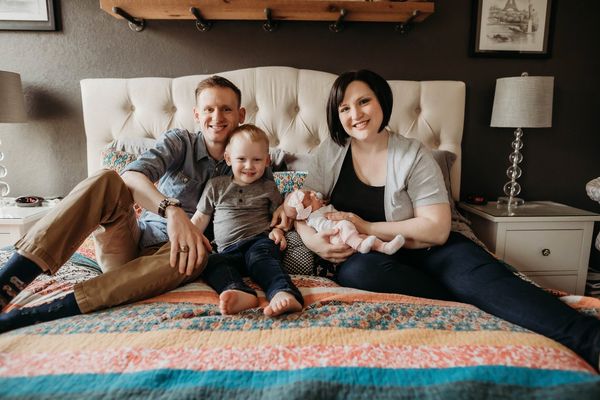
Morgan Vinson
Beloved Sleep Consulting · Dallas–Fort Worth
Certified Pediatric Sleep Consultant · BA Psychology, minor in Child and Family StudiesFormer nanny and childcare-center owner who came to sleep consulting through her own IVF and infertility journey, offering all-virtual, family-tailored plans…
Newborn Nightingales
Newborn Nightingales · Dallas–Fort Worth
Nurse-led team founded 2012 by Melissa · two dozen nurses and night nanniesFounded in 2012, this DFW agency of two dozen nurses and night nannies provides overnight infant care plus newborn consultations focused on healthy nighttime…
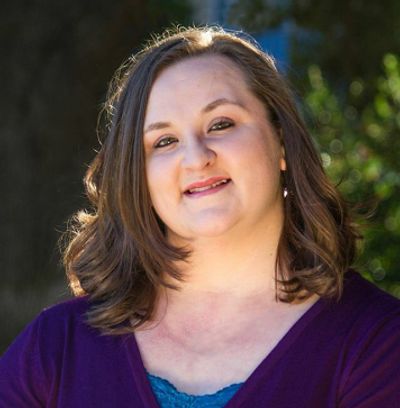
Rebecca Doran
Sweet Bees Newborn Care · Dallas
Certified Newborn Care SpecialistDallas newborn care specialist with 19+ years of experience providing overnight care, gentle sleep conditioning, and routine development for singletons, twins,…
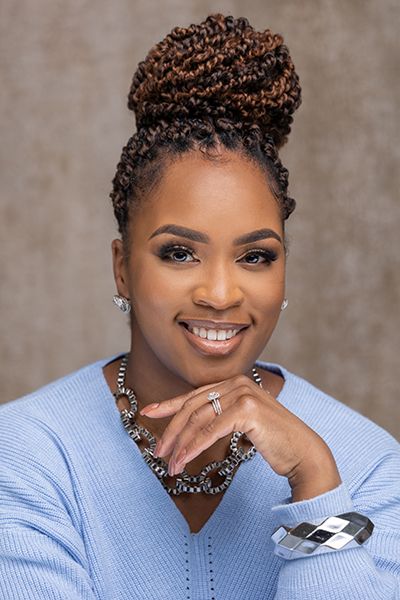
Shannon Tolbert
Dreamy Slumber Pediatric Sleep Consulting · Plano
Certified Sleep Sense Consultant · CEO of Dreamy Slumber LLCPlano-based Sleep Sense consultant and mom of three (relocated from Washington state) selling tiered 2-3-week virtual coaching packages with an optional…
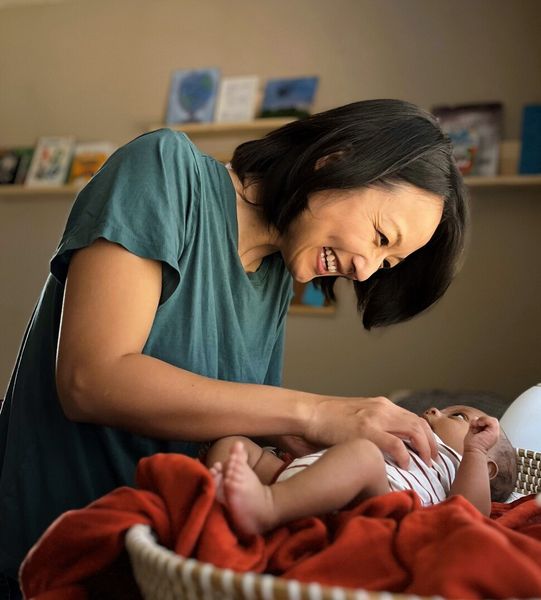
Shinobu Yogo
Your Little Hands, LLC · Dallas–Fort Worth
Certified Pediatric Sleep Consultant, Newborn Sleep Specialist, Postpartum Doula, and Lactation CounselorTokyo-born newborn specialist bundling sleep conditioning with overnight postpartum doula care and lactation support , a bilingual, bonding-based angle unique…
Angie Lerew
Nurturing Nest Newborn Care · Dallas–Fort Worth
Newborn Care Specialist Certification · Pediatric Sleep Specialist Course · CPR/First AidHolistic, mom-of-six newborn care specialist whose 6-week-to-6-month in-home engagements fold gentle sleep training into broader overnight postpartum support.
Know a DFW sleep consultant who isn’t on this list?
Email hello@betteroo.ai with the consultant’s name and website, or flag anything that needs an update. We re-check the directory monthly.
Comparing consultants? Get a plan tonight while you decide.
Betteroo’s free sleep screen runs in three minutes and gives you something you can try tonight. No booking, no waitlist.
Try the 3-min screenAll consultants by neighborhood
Jump to your part of DFW: Dallas & Park Cities · Fort Worth & Tarrant County · Northern Suburbs · Serves All of DFW
Dallas & Park Cities sleep consultants (7)
Dallas proper, the Park Cities, Lakewood, and East Dallas. The city core has DFW’s deepest sleep-consultant bench — from Live Love Sleep (the metroplex’s most established practice, founded 2016) to FSI-certified consultants Mary Cantwell of Rest To Your Nest and Katie Wolber of Texas Baby Sleep, plus newborn-care veterans Gibson Newborn Services (founded 2004) and Harmony Baby Concierge.
- Alexis Courtney-Torres Harmony Baby Concierge · Dallas (Park Cities / Lakewood)
- Amanda Lisenby Sleep Wise Consulting (Dallas consultant) · Dallas
- Cortney Gibson Gibson Newborn Services · Dallas
- Kaley Medina Live Love Sleep® · Dallas
- Katie Wolber Texas Baby Sleep · Dallas (East Dallas / Lakewood)
- Mary Cantwell Rest To Your Nest · Dallas (East Dallas / Lakewood)
- Rebecca Doran Sweet Bees Newborn Care · Dallas
Fort Worth & Tarrant County sleep consultants (6)
Fort Worth, Arlington, Keller, Southlake, Colleyville, and the Mid-Cities. Fort Worth’s scene leans hands-on: Bonnie Lehr’s Newborn Dream Team is known for its 60-hour in-home sleep learning intensives, while IPSP-certified Ashley Olson of Heaven Sent Sleep specializes in gentle, no-cry-it-out coaching for parents navigating postpartum mood disorders.
- Ashley Olson Heaven Sent Sleep · Fort Worth
- Bonnie Lehr Newborn Dream Team / Bedtime with Bonnie (Rest Well Care Collective) · Fort Worth
- Cheryl Abrams Babymoon Concierge · Fort Worth
- Debby Bostrom Baby Coming Home · Dallas–Fort Worth
- Laura Penn My Sweet Sleeper (Pediatric Sleep Consultant) · Roanoke
- Newborn Nightingales Newborn Nightingales · Dallas–Fort Worth
Northern Suburbs sleep consultants (4)
Plano, Frisco, McKinney, Allen, and the booming Collin and Denton County corridor. Sleep Sense™-certified consultants cluster here — Keriann MacElroy’s Dream Factory Sleep Solutions in Frisco, Shannon Tolbert’s Dreamy Slumber in Plano, and Amanda Owens’ Bluebird Sleep in North Dallas — alongside Heather Wallace of BraveHeart Consulting, who pairs sleep coaching with postpartum doula care.
- Amanda Owens Bluebird Sleep Consulting · North Dallas
- Heather Wallace BraveHeart Consulting · Dallas
- Keriann MacElroy Dream Factory Sleep Solutions · Frisco
- Shannon Tolbert Dreamy Slumber Pediatric Sleep Consulting · Plano
Serves All of DFW sleep consultants (5)
Consultants who serve the whole metroplex, most of them virtual-first. This group includes RN-led practices like Mothergood (former NICU nurse Danielle Crissman), whole-family sleep strategist Jessica Bryant of Sleep Happy Consulting, all-virtual Beloved Sleep Consulting, and bilingual newborn specialist Shinobu Yogo of Your Little Hands.
- Angie Lerew Nurturing Nest Newborn Care · Dallas–Fort Worth
- Danielle Crissman Mothergood · Dallas–Fort Worth
- Jessica Bryant Sleep Happy Consulting · Dallas–Fort Worth
- Morgan Vinson Beloved Sleep Consulting · Dallas–Fort Worth
- Shinobu Yogo Your Little Hands, LLC · Dallas–Fort Worth
Sleep training in Dallas-Fort Worth: formats and costs
Sleep training in Dallas comes in three formats. Virtual coaching over Zoom usually runs $300 to $1,500 for a multi-week package and reaches the whole metroplex, from the Park Cities to Fort Worth, Plano, and Frisco. In-home day visits from a DFW baby sleep trainer start around $500 to $800. Overnight newborn care with sleep conditioning runs $4,000 to $12,000 for multi-night packages.
Every sleep coach in this directory is re-checked monthly. Compare verified rates across 8 metros in our sleep consultant pricing research, or start with the shortlist in Best Baby Sleep Consultants in Dallas.
How DFW parents pick a consultant
- Where they trained matters. Sleep consulting is unlicensed, so the program is the closest thing to a credential. The well-known ones are Family Sleep Institute, IPSP, Cradle Coach Academy, and Sleep Sense. RNs and IBCLCs who added sleep training also count.
- Format follows your situation. Most DFW consultants now offer virtual visits at lower price points. In-home and overnight packages cost considerably more. Choose in-home for complex situations like twins, reflux, or special needs, or simply if you learn better hands-on.
- Methodology fit. Some practitioners run a gentle and responsive style, others run more structured programs like Sleep Sense or Cradle Coach. Two paragraphs on a consultant’s site is usually enough to tell which camp they’re in.
- Insurance and cost. Sleep consulting is rarely covered by insurance. Plan for $300 to $1,500 for a structured virtual package, several thousand for full overnight in-home support.
- Read recent reviews. Five recent Yelp, Google, or Instagram reviews tells you a lot. Look for parents whose situation sounds like yours: same age, same sleep issue, same parenting style.
When you might not need a consultant yet
Babies under 4 months are still building their circadian rhythm, and most “sleep problems” before that point sort themselves out. If your baby is younger than 4 months and feeding is going well, a postpartum doula or lactation consultant may be the better starting point. The free Betteroo screen can help you decide whether your situation is age-appropriate before you book a paid call.
Common questions DFW parents ask
How much does a DFW sleep consultant cost?
Virtual packages from DFW sleep consultants usually land between $300 and $1,500. In-home day visits start around $500 to $800 per session. Overnight Newborn Care Specialists and full postpartum agencies run $4,000 to $12,000 depending on the length of the package. Premium and high-cost-of-living neighborhoods tend to sit at the top of the range. For verified prices across all our city directories — by service type, metro, and with a cost estimator — see our sleep consultant pricing research.
Are DFW sleep consultants regulated or licensed?
No. “Sleep consultant” is not a licensed role, and the older term “sleep coach” isn’t either. The certifying program is the closest thing. Family Sleep Institute, IPSP, Cradle Coach Academy, Sleep Sense, and the Gentle Sleep Coach program by Kim West are the most common. Several DFW consultants are also licensed clinicians (LCSW, MFT, RN, IBCLC) who added sleep training to their existing scope.
What’s the youngest age a DFW sleep consultant will work with?
Most structured sleep training starts at 4 to 6 months. For 0 to 4-month support, look for Newborn Care Specialists or Postpartum Doulas. That’s the DFW market for “newborn sleep shaping” rather than sleep training. Several consultants on this page (Cortney Gibson of Gibson Newborn Services, Bonnie Lehr of the Newborn Dream Team, Danielle Crissman, BSN, RN of Mothergood) specialize in the newborn window.
Do most DFW sleep consultants offer virtual support?
Yes. Almost every DFW consultant now runs at least a virtual track over Zoom, with text or voice follow-up over one to two weeks. Several (Morgan Vinson of Beloved Sleep Consulting, Ashley Olson of Heaven Sent Sleep, Shannon Tolbert of Dreamy Slumber) work primarily virtually and serve clients far beyond DFW. Filter the directory by “Virtual” if that’s the format you want.
How is a sleep consultant different from a postpartum doula?
A postpartum doula supports the whole family in the first weeks: feeding, recovery, light housework, overnight care, sometimes sleep shaping. A sleep consultant is narrower. They build a sleep plan, walk you through it, and follow up. Katie Wolber (FSI sleep consultant + certified lactation counselor + child passenger safety technician), Danielle Crissman, BSN, RN (former NICU nurse), Shinobu Yogo (sleep consultant + postpartum doula + lactation counselor), Cortney Gibson (master-level newborn care specialist + trained lactation counselor) wear both hats. If you also want broader postpartum help, hire someone with both credentials.
Can I trust the consultants in this directory?
Every entry here was independently checked against the consultant’s own website, Yelp profile, and where applicable the certifying body’s graduate registry (FSI, IPSP, Cradle Coach, Sleep Sense). Listings where we couldn’t confirm a key claim were removed before this page went live. We re-check monthly. If you spot something stale, email hello@betteroo.ai.
How we checked this directory
Every consultant was checked against their own website, Yelp profile, and where applicable the certifying body’s graduate directory (Family Sleep Institute, IPSP, Cradle Coach Academy, Sleep Sense, Gentle Sleep Coach). We re-check monthly. A representative sample of our sources:
- Alexis Courtney-Torres · https://www.harmonybabyconcierge.co/
- Amanda Lisenby · https://sleepwiseconsulting.com/consultants/amanda-lisenby/
- Amanda Owens · https://bluebirdsleep.com/
- Angie Lerew · https://nurturingnestnewborns.com/
- Ashley Olson · https://heavensentsleep.com/
- Bonnie Lehr · https://www.newborndreamteam.net/
- Cheryl Abrams · https://www.babymoonconcierge.com/
- Cortney Gibson · https://gibsonnewbornservices.com/
- Danielle Crissman · https://www.mothergooddfw.com/
- Debby Bostrom · https://babycominghome.com/
- Heather Wallace · https://www.braveheartconsulting.net/
- Jessica Bryant · https://www.sleephappyconsulting.com/
Spot an error? Email hello@betteroo.ai and we’ll fix it on the next monthly re-check.