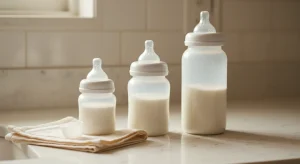
Most babies stop drinking formula and begin transitioning to milk around 12 months of age. When Do Babies Stop Drinking Formula is a common question parents ask at this stage, because babies are typically eating a wider range of solid foods, and their digestive systems are mature enough to handle whole cow’s milk or, in some cases, fortified unsweetened soy milk as a primary drink. The shift away from formula usually happens gradually over several weeks or months, rather than all at once, as bottles are replaced with milk and solid foods play a larger role in a toddler’s diet.
While the first birthday is often used as a guideline for this transition, the process does not need to happen overnight. Many families find that the change unfolds naturally as babies become more interested in meals and snacks and less dependent on formula for most of their calories.
Infographic about when do babies stop drinking formula
Table of Contents
Why the Transition Happens Around 12 Months
During the first year of life, breast milk or infant formula provides nearly all of a baby’s nutrition. Infant formula is designed to deliver the precise balance of nutrients that growing infants need, including iron, fat, and vitamins that support brain development and rapid physical growth.
Around a baby’s first birthday, several developmental changes make it possible to shift away from formula. Babies begin eating a broader range of foods and are able to obtain more of their nutrients from meals and snacks. Their digestive systems also become more mature, making it easier for them to process foods and drinks that were not appropriate earlier in infancy.
Because of these developmental changes, pediatric experts such as the American Academy of Pediatrics generally recommend transitioning from formula to whole milk around 12 months of age, rather than earlier 1.
This milestone reflects a shift in how toddlers get their nutrition: instead of relying mostly on formula, they begin building a more varied diet that includes grains, fruits, vegetables, protein foods, and dairy.
When Do Babies Stop Drinking Formula and Can They Stop Before 12 Months?
In most cases, pediatric experts recommend not replacing formula with cow’s milk before the first birthday. During the first year of life, infants have specific nutritional needs that cow’s milk does not fully meet.
Formula contains carefully balanced levels of nutrients such as iron and certain vitamins that are essential during early brain development. This is one reason When Do Babies Stop Drinking Formula is an important question for parents, because switching too early can affect nutrition. Cow’s milk contains higher levels of protein and certain minerals that can be harder for younger infants to process, and it does not provide enough iron to support healthy growth in the first year 1,3.
For these reasons, organizations such as the Centers for Disease Control and Prevention recommend using breast milk or infant formula as the primary drink throughout the first year of life. Once a baby turns one, whole milk can usually be introduced safely as part of a balanced diet.
What Kind of Milk Do Babies Usually Transition To?
After a baby turns one year old, most pediatricians recommend introducing whole cow’s milk. Whole milk contains dietary fat that supports brain development during the toddler years, when the brain is still growing rapidly.
Lower-fat options such as reduced-fat or skim milk are usually not recommended for toddlers unless a pediatrician suggests them for specific medical reasons.
For families who cannot use dairy milk, fortified unsweetened soy milk is often considered the closest nutritional alternative. These products typically contain added calcium and vitamin D and provide protein levels similar to cow’s milk 1.
Parents sometimes wonder about toddler formulas or “toddler milks” that are marketed for children older than one. When thinking about how long do babies drink formula, many parents consider switching to these products, but in many cases, pediatric experts say they are not necessary for most children who eat a balanced diet. Whole foods and regular milk usually provide the nutrients toddlers need.
Every baby’s feeding transition is different
Get a personalized plan based on your baby’s age, sleep, and feeding stage.
Baby begins drinking milk while eating more solids
Milk becomes one part of a varied toddler diet
Daily amount
On demand or per pediatrician guidance
Gradual shift from formula to 16–24 oz milk
16–24 oz milk per day
Key focus
Iron, fat, and vitamins for brain development
Introduce milk slowly while increasing solid foods
Balanced meals with milk as a supplement, not a meal
Birth–12 months
Formula or breast milk as primary nutrition
Main drinkBreast milk or formula
What happensProvides most calories and nutrients
Daily amountOn demand
Key focusIron, fat, vitamins for brain growth
Around 12 months
Gradual switch from formula to milk
Main drinkFormula → whole milk
What happensMilk introduced alongside more solids
Daily amountShifting toward 16–24 oz milk
Key focusIntroduce milk slowly, increase solids
12–24 months
Milk as part of a varied toddler diet
Main drinkWhole milk or fortified soy
What happensMeals and snacks drive nutrition
Daily amount16–24 oz per day
Key focusBalanced diet, milk as supplement
Birth–12 months
Formula or breast milk as primary nutrition
Main drinkBreast milk or formula
What happensProvides most calories and nutrients
Daily amountOn demand
Key focusIron, fat, vitamins for brain growth
Around 12 months
Gradual switch from formula to milk
Main drinkFormula → whole milk
What happensMilk introduced alongside more solids
Daily amountShifting toward 16–24 oz milk
Key focusIntroduce milk slowly, increase solids
12–24 months
Milk as part of a varied toddler diet
Main drinkWhole milk or fortified soy
What happensMeals and snacks drive nutrition
Daily amount16–24 oz per day
Key focusBalanced diet, milk as supplement
Swipe to compare
This progression reflects the shift from a milk-centered diet to one built around meals and snacks.
How to Transition From Formula to Milk
For many families, the formula-to-milk transition works best when it happens gradually. When do babies stop drinking formula is often part of this transition period, and rather than replacing all formula feedings at once, parents often begin by swapping one bottle or feeding for milk during the day.
Daytime feedings are usually easier for babies to adjust to because they are less tied to sleep routines. Over time, additional formula feedings can be replaced with milk as babies become comfortable with the taste and routine.
Some families find it helpful to start by mixing small amounts of milk with formula before moving fully to milk. Others simply introduce milk in a cup during meals while continuing to offer formula bottles for a short period.
During this stage, babies are also typically learning to drink from cups rather than bottles. As cup drinking improves, many toddlers naturally rely less on bottles and formula. If your baby is also going through the 8-month sleep regression, you may find it easier to start the formula-to-milk swap during calmer daytime feedings first.
Because solid foods are playing a larger role in nutrition by this point, the transition often feels like a gradual shift – and a consistent 6-month sleep schedule can help anchor new feeding and nap routines during this stage.
How Much Milk Does a 1-Year-Old Need?
After transitioning from formula, most toddlers drink about 16 to 24 ounces of milk per day2. This amount provides important nutrients like calcium, vitamin D, and protein without interfering with appetite for meals.
Drinking significantly more milk than this can sometimes make toddlers feel full before they eat other foods, which may limit their intake of iron-rich foods and other nutrients.
For this reason, pediatricians often encourage families to think of milk as one component of a balanced toddler diet, rather than the main source of nutrition as it was during infancy. As toddlers begin drinking milk, parents also often wonder when babies can start drinking water.
What If Your Baby Refuses Milk?
Some babies accept milk immediately, while others need time to adjust to the change in taste and texture.
If a toddler refuses milk at first, offering it in a different cup, serving it with meals, or introducing it gradually can help some children adapt. In other cases, toddlers may simply prefer other sources of dairy such as yogurt or cheese.
Refusing milk does not always mean there is a nutritional problem. Parents often wonder When Do Babies Stop Drinking Formula, especially if their toddler is not interested in milk, but pediatricians typically look at the overall diet rather than milk intake alone. A toddler who eats a variety of foods that provide calcium, fat, and protein may still be getting the nutrients they need even if milk is not their favorite drink.
However, if a child refuses most dairy foods or has difficulty maintaining a balanced diet, it may be helpful to talk with a pediatrician about options.
When to Check With Your Pediatrician
For most families, transitioning from formula to milk is a relatively straightforward developmental step. However, parents often ask When Do Babies Stop Drinking Formula, and it may be helpful to consult a pediatrician if:
your child has difficulty tolerating dairy products
your child relies heavily on formula well beyond the toddler stage
there are concerns about growth or weight gain
your child eats a very limited range of foods.
A pediatrician can help determine whether adjustments to the diet or feeding routine may be useful.
FAQ about When Do Babies Stop Drinking Formula
When do babies stop drinking formula?
Most babies stop drinking formula around 12 months of age, which is why many parents ask When Do Babies Stop Drinking Formula as their child begins transitioning to whole milk and a more varied diet of solid foods. At this stage, babies are typically eating regular meals and snacks, which provide many of the nutrients they previously received from formula.
The transition does not need to happen overnight. Many families gradually replace formula feedings with milk and solid foods over several weeks as the child becomes more comfortable with new routines.
Can babies drink cow’s milk before 12 months?
Cow’s milk is generally not recommended as a primary drink before the first birthday. During the first year of life, babies require specific nutrients—especially iron—that formula or breast milk provides more reliably than cow’s milk.
Introducing small amounts of dairy foods like yogurt or cheese may happen earlier in infancy once solids begin, but cow’s milk as a main drink is typically introduced around age one.
How do you transition from formula to milk?
Many families transition gradually by replacing one formula feeding at a time with milk. This approach is often recommended when parents wonder When Do Babies Stop Drinking Formula, because starting with a daytime feeding usually works well since babies may be more flexible during meals than during bedtime routines.
Some parents mix small amounts of milk with formula at first to help babies adjust to the new taste. Others simply begin offering milk in a cup alongside meals and slowly phase out bottles.
How much milk should a 1-year-old drink?
Most toddlers drink 16 to 24 ounces of milk per day after the transition from formula. This amount provides important nutrients such as calcium and vitamin D while still leaving room in the diet for a variety of solid foods.
Drinking significantly more milk than this can sometimes reduce a toddler’s appetite for other foods, so pediatricians often encourage keeping milk intake within this general range.
Do toddlers need formula after age one?
In most cases, toddlers do not need formula after their first birthday if they are eating a balanced diet and drinking milk. Infant formula is specifically designed for babies under one year old, while older children typically obtain nutrients from a broader range of foods.
Some products marketed as toddler formulas or toddler milks are available, but many pediatric experts note that they are not necessary for most children.
What if my baby refuses milk?
Some toddlers simply take time to warm up to milk after drinking formula. Offering milk in different cups, serving it with meals, or introducing it gradually can sometimes help.
If a toddler consistently refuses milk but eats other calcium-rich foods such as yogurt, cheese, beans, or leafy greens, pediatricians often focus on overall nutrition rather than milk intake alone.
Why do babies stop drinking formula at 12 months?
Around 12 months, babies can get most of their nutrition from solid foods, and their digestive system is ready for whole milk. This is why many parents ask When Do Babies Stop Drinking Formula, because formula is designed for infants and is no longer necessary for most children after the first year.
Quick Takeaways
Most babies stop drinking formula and transition to milk around 12 months of age, when their diet begins to include a wider variety of solid foods. The transition usually happens gradually as formula feedings are replaced with milk and meals become more central to daily nutrition.
Whole cow’s milk is typically recommended during the toddler years, though alternatives such as fortified soy milk may be appropriate for some families. With time and a flexible approach, most babies adjust naturally to the new routine as they move from infant feeding patterns into toddler eating habits.
Not sure why your baby isn’t sleeping well?
Get personalized sleep guidance based on your baby’s age and habits.