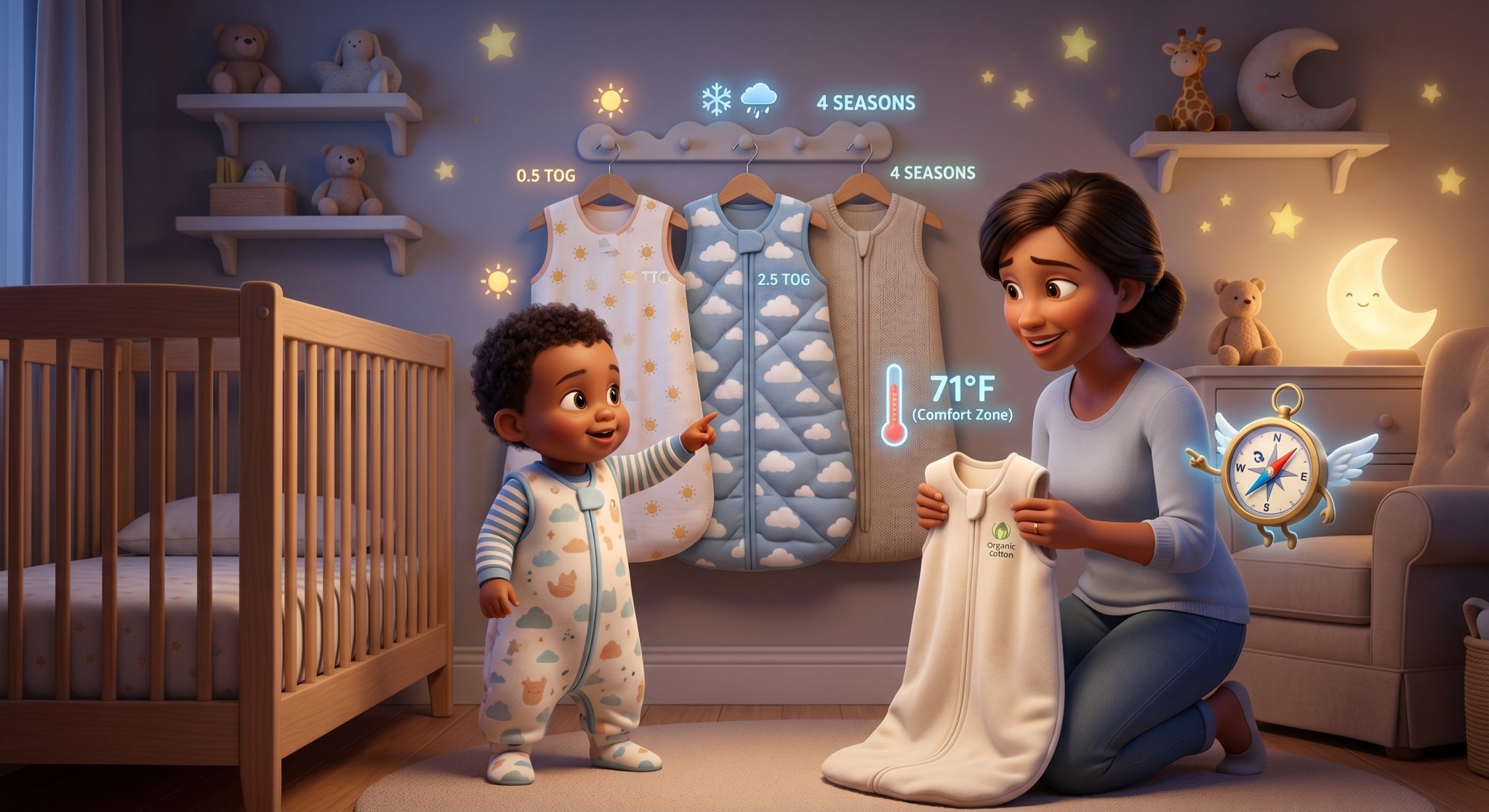
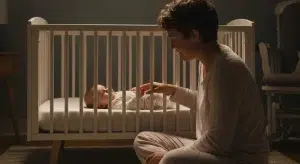
The best toddler sleep sacks is a breathable, well-fitted wearable blanket that matches your room temperature, usually with a TOG between 0.5 and 2.5 (TOG stands for thermal overall grade, higher value = warmer), and gives your child enough movement to stay comfortable while still supporting consistent sleep.
If you’re trying to figure out which sleep sack to use, or whether you even need one at this stage, you’re not alone. Toddler sleep sits in a transition phase. Some children still benefit from the consistency and containment of a sleep sack, while others are ready to move beyond it. Most parents are also navigating a more practical question: what’s actually worth buying, and what’s unnecessary?
This guide is designed to help you make a clear, low-pressure decision, without feeling like you need to overthink every variable.
Table of Contents
What Is a Toddler Sleep Sack, and Do You Still Need One?
A toddler sleep sack is essentially a wearable blanket. It replaces loose blankets in the crib or bed, helping keep your child at a comfortable temperature throughout the night without the risk of covers being kicked off. Wearable blankets are the approach the American Academy of Pediatrics recommends over loose bedding for this reason1. Many toddlers continue using sleep sacks into the 2–3 year range, especially if they move a lot in their sleep or wake when they get cold, or simply like the secure feeling of it. Others naturally transition out once they move into a toddler bed or start preferring more freedom. There isn’t a single “right” age to stop. A more useful question is whether it’s helping. If your child sleeps more consistently and comfortably with it, it’s still serving a purpose. If it’s becoming a point of resistance, it may be time to adjust.
Understanding TOG (So You Don’t Have to Guess)
One of the most confusing parts of choosing a sleep sack is TOG. Most brands list it, but very few explain what it actually means.
TOG stands for “Thermal Overall Grade,” and it’s simply a measure of how warm a fabric is. The higher the TOG, the more insulation it provides. In practice, TOG helps you match your child’s sleep sack to the temperature of the room. Instead of guessing how many layers to use, you’re working from a more consistent starting point.
Here’s how it typically breaks down:
TOG
Room Temp (°F)
Room Temp (°C)
Warmth Level
0.5
74–78°F
23–26°C
Very lightweight
1.0
69–73°F
21–23°C
Light
2.5
61–68°F
16–20°C
Warm
3.5
Below 61°F
Below 16°C
Very warm
Most toddlers fall somewhere between 0.5 and 2.5 TOG depending on the season and your home environment. Choosing a TOG that matches your room also helps avoid overheating, which pediatric research associates with disrupted sleep and – in younger infants – increased safety risk3. What you What you layer underneath matters just as much. A lighter TOG with slightly warmer pajamas often works just as well as a heavier sack with minimal layers – similar to how you’d think about sleep environment by age. Over time, you’ll get a feel for what keeps your child comfortable without overheating.
Not sure what your toddler actually needs for better sleep?
Sleep sacks help — but sleep consistency comes from routine, timing, and environment. Get a plan built for your toddler in 3 minutes.
Once you understand TOG, the rest of the decision becomes much simpler. The goal isn’t to find the “best” product in a general sense, but the one that fits your child, your home, and your routine. Material is usually the next thing parents notice. Cotton tends to be breathable and straightforward, while fabrics listed as bamboo tend to feel softer and slightly heavier. Wool, particularly merino wool, stands out because it regulates temperature across a wider range, which can reduce the need to switch between different weights.
Fit matters more than most people expect. A good sleep sack should feel secure at the shoulders while still allowing enough room for movement through the legs. Oversizing might seem practical, but too much extra fabric can often make things feel less comfortable. Design also becomes more relevant in the toddler stage. Traditional sleep sacks work well in cribs, but once a child is walking or transitioning to a bed, footed versions can offer more freedom while still maintaining some structure.
How to Dress Your Toddler for Sleep
The sleep sack is only part of the equation. What your child wears underneath plays an equally important role in comfort. The general guidance is to dress your child in one layer more than you’re wearing for the same room temperature2. In most cases, it helps to think in terms of balance rather than exact rules. A lighter sleep sack paired with slightly warmer pajamas often creates a more flexible setup than relying on a single heavy layer. If your child wakes sweaty or flushed, it’s usually a sign things are too warm. If they wake cold or restless, adding a layer may help. This is especially common during sleep regressions, when small environmental shifts can disrupt an already-fragile rhythm. Consistency tends to matter more than precision. Once you find a combination that works, sticking with it is often more effective than constantly adjusting.
Best Toddler Sleep Sacks (Our Picks)
Rather than listing every possible option, these picks are chosen to reflect the most common parent needs. Each one solves a slightly different problem, which makes the decision more straightforward.
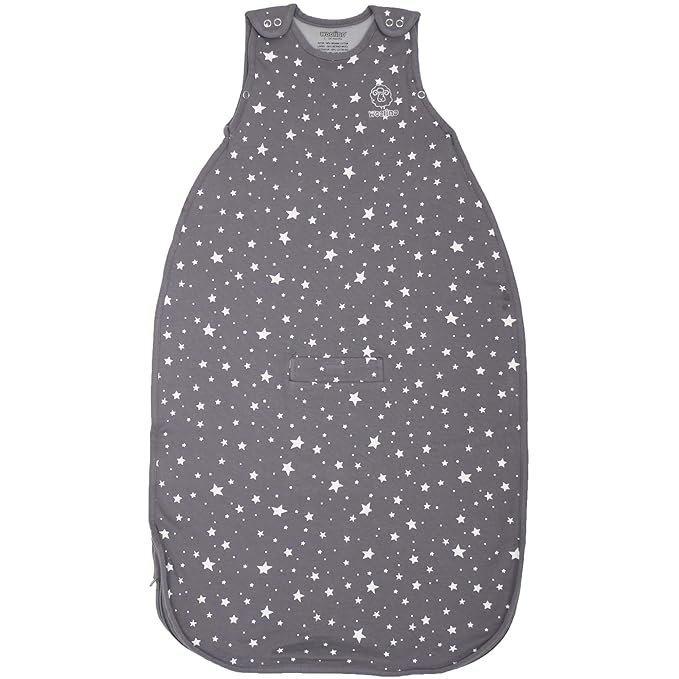
Merino wool naturally regulates temperature across a wide range, so most families can use the same sack year-round without juggling multiple TOGs. Sizing runs generous too, which extends how long you’ll actually use it. The tradeoff is the upfront cost — but it often replaces two or three seasonal sacks.
Woolino stands out because it removes one of the biggest friction points: constantly thinking about temperature. The merino wool lining naturally adjusts to a range of conditions, which means many families can use the same sleep sack year-round. It’s especially helpful if you don’t want to manage multiple TOGs or overthink layering. The sizing also tends to cover a wider range than most brands, which can extend how long you use it. The tradeoff is the upfront cost, but for many parents, it replaces the need for multiple sleep sacks over time.
Why it stands out: One of the few that truly spans temps (no TOG switching needed)
Material: Merino wool (temp regulating)
Best for: Parents who don’t want to think about TOG at all
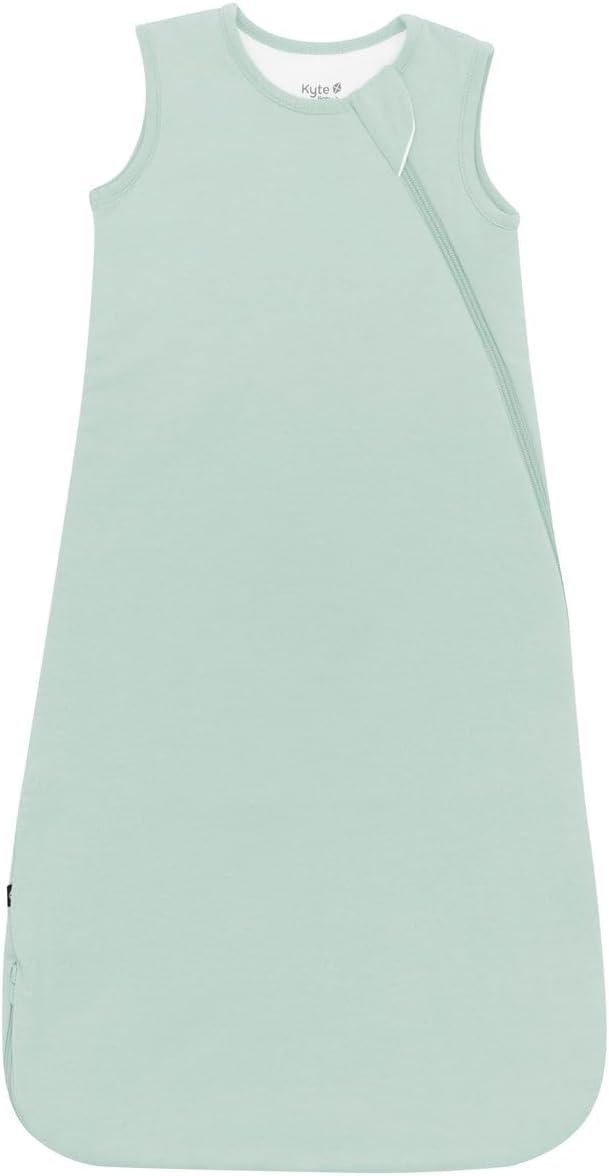
A middle ground between a traditional sleep sack and pajamas — the footed design lets a walking toddler stand and move without getting tangled. The bamboo fabric is famously soft, which many toddlers respond well to. Check the TOG carefully, since some versions run warmer than you’d expect.
For toddlers who are already walking or transitioning out of a crib, the Kyte walker offers a useful middle ground. It keeps the comfort of a sleep sack while allowing freedom of movement. The fabric is very soft, which many children respond well to, and the design makes it easier for toddlers to stand or move independently. At the same time, it’s worth paying attention to TOG here, since the material can feel warmer depending on the version you choose. This style works well for some children, while others still sleep better with a more contained design.
Why it stands out: Combines mobility + softness
Material: Bamboo (very soft, breathable)
Best for: Toddlers walking / transitioning out of crib
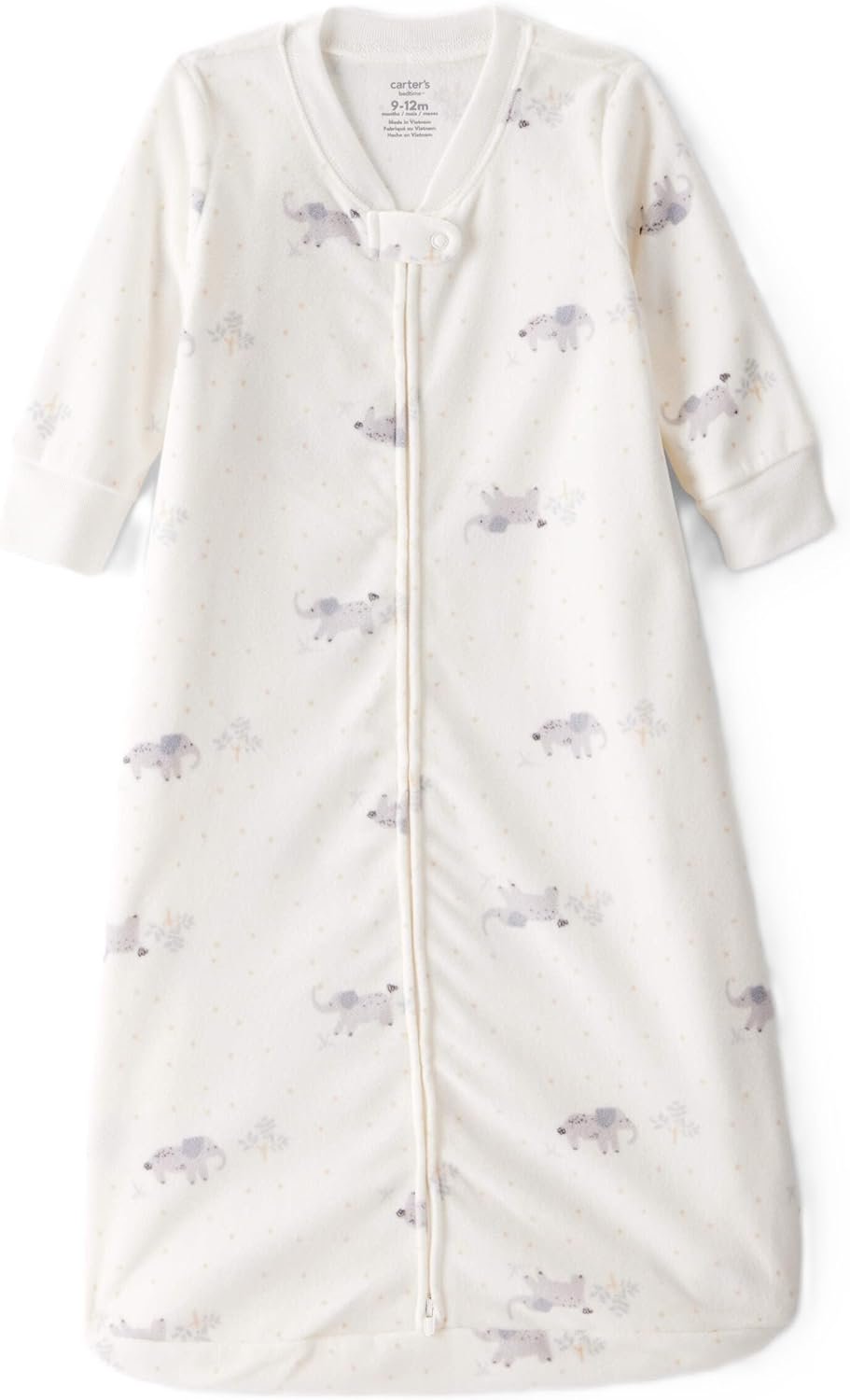
A simple, reliable sleep sack at a price point that makes it easy to replace as your child grows. It doesn’t offer the temperature regulation of wool or specialty fabrics, so layering matters more — but for homes with stable temperatures, it’s a dependable pick.
Carter’s is a good example of a product that simply does what it needs to do without adding complexity. It’s widely available, affordable, and easy to replace as your child grows. For many families, especially those who don’t want to overinvest in multiple sleep sacks, this ends up being a practical and reliable choice. The main tradeoff is that it doesn’t offer the same level of temperature regulation as wool or more specialized materials, so layering becomes more important.
Why it stands out: Widely available, low-risk to try
Material: Cotton blend
Best for: Families who don’t want to overinvest
Tradeoff: Less temperature regulation than wool or bamboo
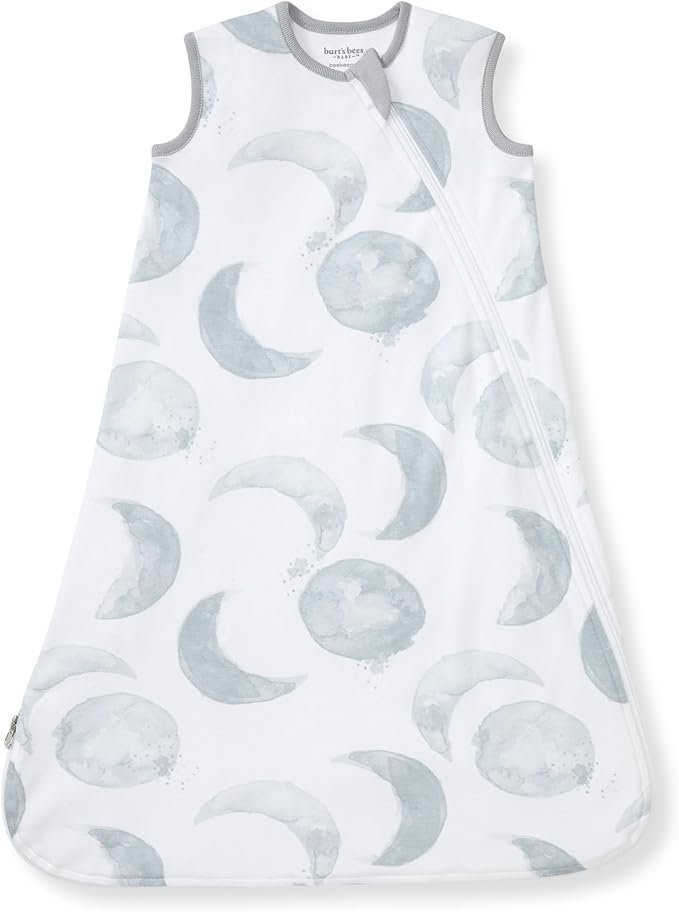
4. Best Organic Option: Burt’s Bees Baby Beekeeper Wearable Blanket
Organic cotton that feels breathable and consistent, at a price that doesn’t climb into specialty territory. It won’t flex across temperature ranges the way merino wool does, so it works best in homes that stay within a steady range. A solid step up from basic options without added complexity.
If material quality is a priority, Burt’s Bees offers a straightforward organic cotton option that feels breathable and consistent. It’s a step up from basic options without introducing a lot of complexity. It doesn’t have the flexibility of something like merino wool, but for many homes with stable temperatures, it works well as a simple, reliable choice.
Why it stands out: Organic cotton + strong price point
Material: Organic cotton
Best for: Value + cleaner materials
Tradeoff: Fewer advanced features
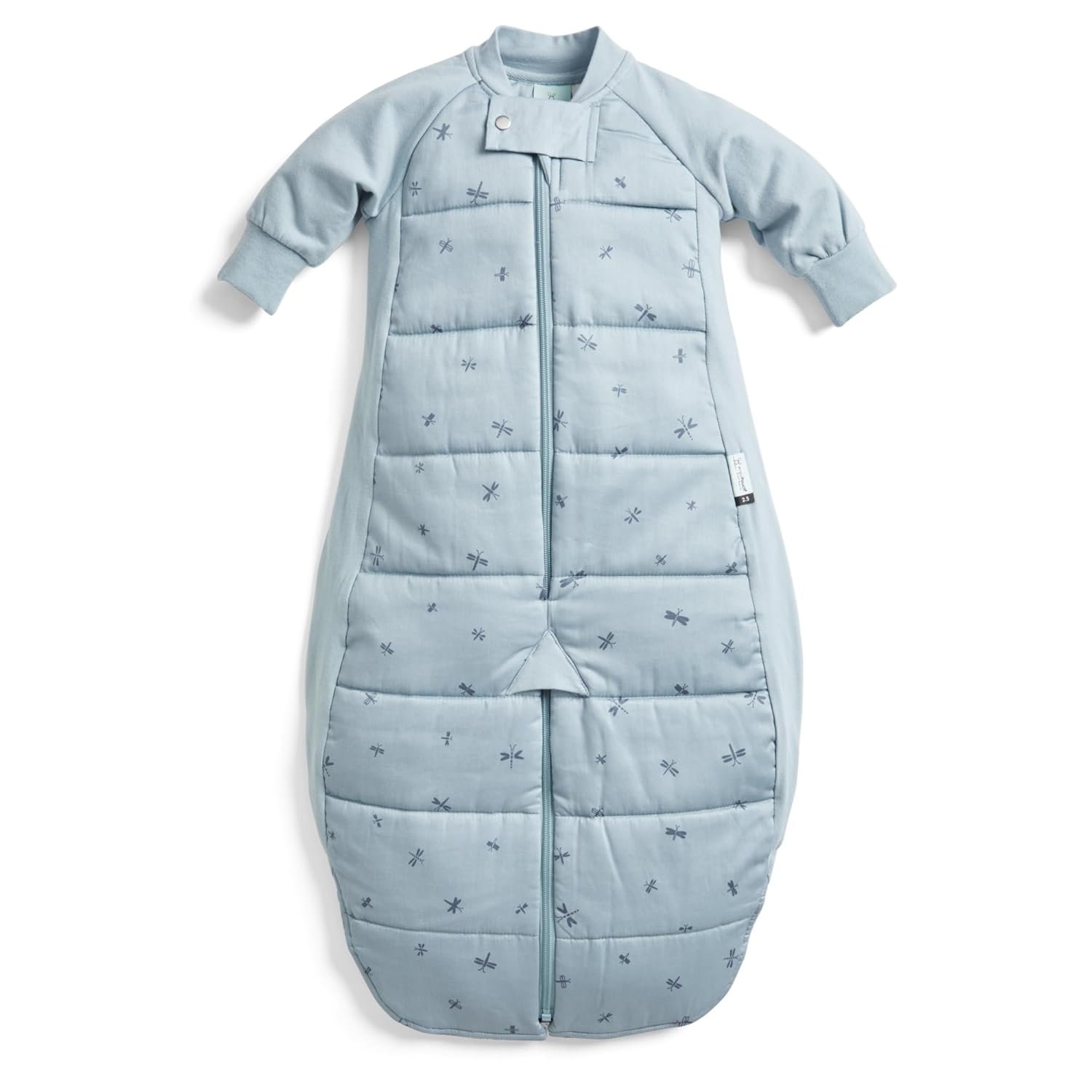
5. Best for TOG Clarity: ergoPouch Sleep Sack
Best for TOG Clarity
The best toddler sleep sack for seasonal TOG matching
ergoPouch makes TOG and temperature guidance unusually clear, which is helpful if you like structured decision-making. Organic cotton blends feel comfortable year-round. The tradeoff is that you’ll likely switch between different TOGs as seasons change, rather than using one sack for everything.
ergoPouch stands out for how clearly it communicates TOG and temperature guidance. If you prefer a more structured system where you can match conditions to a specific product, this can make decision-making easier. The tradeoff is that it often requires switching between TOGs as the seasons change, which some parents prefer and others find unnecessary.
Why it stands out: Clear TOG system + strong safety positioning
Material: Organic cotton blends
Best for: Parents who want structure + TOG clarity
Tradeoff: Slightly more structured feel
Footed Sleep Sacks: When They Make Sense
Footed sleep sacks tend to work best once your toddler is confidently walking or starting to use a bed. They offer more independence and can reduce frustration for children who resist being contained. At the same time, they change the feel of sleep slightly. Some toddlers settle better with that added freedom, while others sleep more consistently with the structure of a traditional sleep sack. It’s often something you figure out through experience rather than upfront certainty.
You May Not Need a Toddler Sleep Sack If…
Not every toddler needs a sleep sack at this stage. If your child sleeps well with a blanket, doesn’t wake due to temperature changes, or strongly resists wearing one, it may not be worth pushing. Sleep sacks can be helpful, but they’re not essential for good sleep.
What Matters More Than the Sleep Sack Itself
It’s easy to focus on the product, but in most cases, sleep consistency comes down to a few bigger factors: a predictable bedtime routine, a comfortable environment, and timing that matches your child’s needs – things sleep training methods address more directly than any product can. A well-chosen sleep sack can support those things, but it won’t replace them.
Start With One
It’s tempting to buy multiple TOGs, styles, and backups right away. In practice, most families do best starting with one option that matches their room temperature and seeing how it works. You can always adjust from there. You rarely need a full system from the beginning.
Do Toddlers Still Use Sleep Sacks After Moving to a Bed?
Sometimes they do, and sometimes they don’t. Some children continue sleeping better with the familiarity and consistency of a sleep sack, even in a bed. Others prefer the freedom of blankets once they have the option. This can be done as a gradual transition rather than a clear switch. There’s room to try both and see what your child responds to.
FAQ: Toddler Sleep Sacks
What TOG sleep sack should I use for my toddler?
Most toddlers are comfortable in a sleep sack between 0.5 and 2.5 TOG, depending on room temperature.
A helpful way to think about it: warmer room → lower TOG and cooler room → higher TOG. If your home stays in a consistent temperature range year-round, you’ll likely find one TOG that works most of the time. If temperatures vary, you may need to adjust seasonally. The goal isn’t to get it perfect, it’s to land in a comfortable range and adjust based on how your child feels in the morning.
How do I know if my toddler is too hot or too cold at night?
This is one of the most common concerns, and hopefully it’s easier to assess than it seems. If your toddler is too warm, you might notice sweating (especially on the neck or back), flushed skin, or restless sleep. If they’re too cool, you may notice hands or arms feel cold (though hands alone aren’t always reliable), waking more frequently or curling up tightly. A good rule of thumb is to check their chest or back rather than hands or feet. Over time, you’ll get a feel for what’s comfortable for your child.
What’s better: a sleep sack or a blanket for toddlers?
It depends on the child. Sleep sacks tend to work well for younger toddlers, children who move a lot and those who wake when uncovered. Blankets can work well once a child stays relatively still during sleep, can adjust their own covers or if the child prefers more freedom. There’s no universal “better,” just what works for your child at that stage.
When should I switch to a footed sleep sack?
Footed sleep sacks tend to make sense once your child is walking or transitioning to a bed, but they’re not necessary for every toddler. That’s because standard sleep sacks aren’t designed for walking, which is why many parents switch to footed or “walker” styles at this stage. If your toddler is trying to walk in a traditional sleep sack, it can be safer and more comfortable to transition to a design that allows movement.
What size sleep sack should I choose?
Follow brand guidelines, but focus on fit at the shoulders and enough room for movement. Too large can be less comfortable than slightly fitted.
Final Take: You’re Looking for Fit, Not Perfection
The goal isn’t to find the perfect sleep sack. It’s to find one that fits your child, your environment, and your routine without adding more complexity.
For most families, that ends up being one solid option—not a collection. And once you find that, sleep tends to feel a little more manageable.
American Academy of Pediatrics. (2022). Sleep-Related Infant Deaths: Updated 2022 Recommendations for Reducing Infant Deaths in the Sleep Environment.https://pubmed.ncbi.nlm.nih.gov/35726558/
Franco, P., et al. (2022). Hyperthermia and Heat Stress as Risk Factors for Sudden Infant Death Syndrome: A Narrative Review.https://pubmed.ncbi.nlm.nih.gov/35498814/