
Home
»
Development
»
2 Year Old Milestones: What Most Children Do by Age 2

2 Year Old Milestones: What Most Children Do by Age 2

Updated

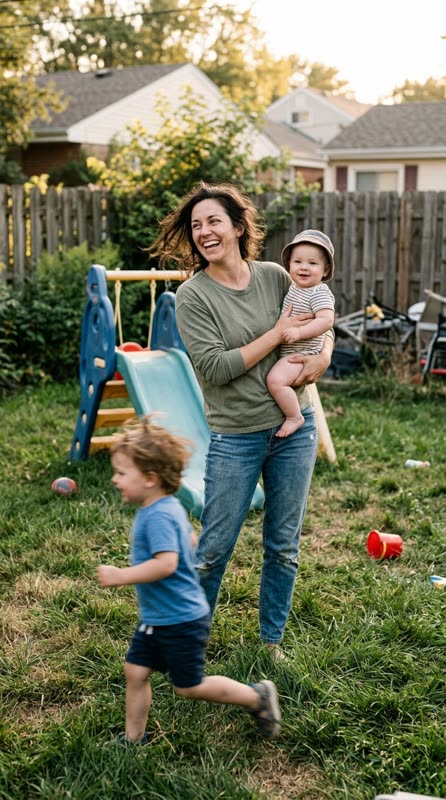
Happy 2 year old toddler running and playing outdoors
Rachel Rothman, Co-Founder and Chief Parenting Officer at Betteroo

Written By

Rachel Rothman

Chief Parenting Officer

Dr. Meidad Greenberg, Board-Certified Pediatrician and Pediatric Medical Advisor at Betteroo

Medically Reviewed By

Meidad Greenberg, M.D.

Board-Certified Pediatrician

By their second birthday, most children can run, kick a ball, put two words together like more milk, follow simple instructions, and play in more imaginative ways, according to the CDC’s developmental milestones.

The leap from one to two is enormous. Your child goes from a new walker to a running, climbing, talking little person with strong opinions. The two year mark is also an important developmental checkpoint, with milestones across movement, language, thinking, and social and emotional growth.

This guide lays out what most two year olds can do, organized by the CDC’s milestone domains, along with a note on sleep at this age and the signs worth discussing with your pediatrician. Remember that milestones describe what most children, about 75 percent or more, can do by a given age, not a pass or fail test.

Key Takeaways

  • CDC milestones describe what most children (75 percent or more) do by a given age, not a strict test.
  • Movement: most 2 year olds run, kick a ball, and walk up a few stairs with help.
  • Language: the current CDC milestone is putting two words together, like more milk.
  • Thinking and play: simple pretend play, using switches and buttons, following two-step directions.
  • Social: noticing when others are upset and looking at your face for cues in new situations.

Movement and Physical Milestones

Two year olds are famously on the move. Gross motor skills expand quickly, and fine motor control is developing too. According to the CDC and AAP, most children at this age can do the following.12

  • Run, and kick a ball forward.
  • Walk up a few stairs with help, holding a rail or your hand.
  • Eat with a spoon and drink from an open cup with some spills.
  • Stack several objects or blocks, and turn pages in a book.
  • Scribble, and start to use switches, knobs, and buttons on toys.

As always, there is a healthy range. Some newly two year olds are still cautious walkers while others are already climbing everything in sight. Steady progress matters more than hitting each item exactly on the birthday.

Language and Communication

Language often takes off around this age. The current CDC milestone for 24 months is that a child puts two or more words together, such as more milk or my turn.1 The CDC checklist deliberately does not attach a specific word count to this age, so try not to fixate on a number. Most two year olds also point to things in a book when you ask, and point to at least a couple of body parts.

Many children understand far more than they can say, which is completely normal. If your child follows directions and communicates their needs but has fewer spoken words, that receptive strength is a good sign. Still, share any language concern with your pediatrician, since early support is effective.

Thinking, Learning, and Play

Cognitively, two year olds are little scientists. Pretend play blossoms, problem solving grows, and memory strengthens. Typical milestones at this age include the following.

  • Simple pretend play, like feeding a doll or talking on a toy phone.
  • Following two-step instructions, such as pick up your cup and give it to me.
  • Finding things even when hidden under a couple of layers.
  • Naming familiar items in a book, and matching or sorting by shape or color starting to emerge.

This is also the age of intense curiosity and testing limits. The drive to open every cabinet and press every button is cognitive development in action, even when it is exhausting to parent.

Social and Emotional Milestones

Two year olds are becoming social observers. The CDC notes that around this age children notice when others are hurt or upset, look at your face to see how to react in a new situation, and may cling in new places before warming up.1 Parallel play, playing alongside rather than directly with other children, is normal and healthy now.

Big emotions are also part of the package. Tantrums peak around this age because a two year old has strong feelings and desires but limited words and self-control to manage them. That gap is developmental, not misbehavior, and it narrows as language grows.

Two and sleep a struggle?

Get a personalized plan for toddler sleep built around your child’s stage and temperament.

Take the Free Sleep Quiz

Sleep at Two Years Old

Sleep milestones matter too. The AASM recommends 11 to 14 hours of sleep per 24 hours for children aged one to two, including naps.3 Most two year olds are on a single afternoon nap of about one to two hours, plus a solid night. A consistent, calming bedtime routine remains one of the most effective tools for good toddler sleep.

Two is also a common age for a sleep bump, driven by developmental leaps, growing independence, and sometimes the start of nightmares. If your two year old’s sleep has gotten harder, our 2 year sleep regression guide explains what is happening, and age-appropriate activities can help burn energy during the day.

When to Talk to Your Pediatrician

  • Not using two-word phrases by around 24 months.
  • Not walking steadily, or not running, by around 24 months.
  • Does not know what to do with common objects, like a spoon or phone.
  • Loses skills they once had, at any age.
  • Does not copy actions or words, or does not follow simple instructions.

Every child develops on their own timeline, and reaching a milestone a little late is often normal. But the CDC and AAP encourage acting early on concerns, because developmental support works best when it starts sooner. Your pediatrician can screen and reassure or refer as needed.

Frequently Asked Questions

What are the milestones for a 2 year old?

By age two, most children run, kick a ball, walk up a few stairs with help, put two words together like more milk, follow two-step instructions, engage in simple pretend play, and notice when others are upset. These span movement, language, thinking, and social and emotional development.

How many words should a 2 year old say?

The current CDC milestone does not set a specific word count for 24 months. Instead, the milestone is that a child puts two or more words together, such as more milk. Many children know a good number of words by two, but the two-word combination is the marker the CDC uses.

How much should a 2 year old sleep?

The AASM recommends 11 to 14 hours per 24 hours for children aged one to two, including naps. Most two year olds take a single afternoon nap of about one to two hours plus a full night of sleep.

Is it normal for a 2 year old to have tantrums?

Yes. Tantrums peak around age two because toddlers have strong feelings and desires but limited language and self-control to manage them. That gap is developmental, not misbehavior, and it narrows as language and emotional skills grow.

When should I worry about my 2 year old’s development?

Talk to your pediatrician if your child is not using two-word phrases, not walking steadily or running, does not know what to do with common objects, does not follow simple instructions, or loses skills they once had. Acting early on concerns leads to the best support.

Do 2 year olds still nap?

Most two year olds still take one afternoon nap, typically about one to two hours. The nap usually continues through age three for many children, though nap needs vary. A consistent nap and bedtime schedule supports better overall sleep at this age.

Want steadier toddler sleep?

Get a personalized plan built around your two year old’s stage, temperament, and your family’s needs.

Take the Free Sleep Quiz

3 Sources
  1. Centers for Disease Control and Prevention. Learn the Signs. Act Early. Developmental Milestones.
    https://www.cdc.gov/ncbddd/actearly/milestones/index.html
  2. American Academy of Pediatrics, HealthyChildren.org. Developmental Milestones: 2 Year Olds.
    https://www.healthychildren.org/English/ages-stages/toddler/Pages/Developmental-Milestones-2-Year-Olds.aspx
  3. Paruthi S, Brooks LJ, D’Ambrosio C, et al. Recommended Amount of Sleep for Pediatric Populations: A Consensus Statement of the American Academy of Sleep Medicine. J Clin Sleep Med. 2016;12(6):785-786.
    https://pubmed.ncbi.nlm.nih.gov/27250809/
Table of Contents