
Home
»
Sleep
»
Dream Feed: How to Do It and Whether It Helps

Dream Feed: How to Do It and Whether It Helps

Updated

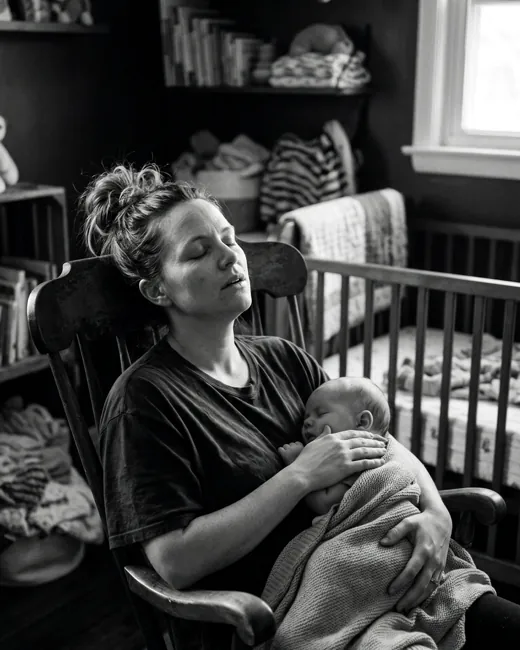
Parent gently feeding a drowsy baby by soft lamplight late in the evening, for a guide to the dream feed
Rachel Rothman, Co-Founder and Chief Parenting Officer at Betteroo

Written By

Rachel Rothman

Chief Parenting Officer

Dr. Meidad Greenberg, Board-Certified Pediatrician and Pediatric Medical Advisor at Betteroo

Medically Reviewed By

Meidad Greenberg, M.D.

Board-Certified Pediatrician

A dream feed is a feed you give late in the evening, around 10 or 11pm, while your baby stays mostly asleep, in the hope of pushing their longest stretch of sleep into your own night. The idea is to top your baby up right before you go to bed so they wake later, or not at all, in the small hours.

It is a popular tactic, and for some families it works beautifully. For others it does nothing, or backfires by waking the baby more. The evidence behind it is thinner and more mixed than the confident blog posts suggest, so this guide covers how to do a dream feed and an honest account of whether it is likely to help you.

Key Takeaways

  • A dream feed is a late-evening feed (about 10 to 11pm) given while your baby stays largely asleep, to shift their longest sleep stretch later.
  • Feed before you go to bed, keep the lights low, and put your baby back down drowsy without a full wake-up.3
  • The best supporting trial is small, from 1993, and tested a bundle of habits in breastfed newborns, so it does not prove the dream feed alone works.1
  • A larger modern program improved sleep by only about 22 to 35 minutes and the effect faded by one year, and it was not a dream-feed study.2
  • Some babies wake more when roused to feed, so if it is not helping after a couple of weeks, it is fine to drop it.
  • Never prop a bottle or leave your baby in the crib with one. Hold the feed and put them back on their back.6

What a Dream Feed Is

Quick Answer

A dream feed is a feed given late in the evening, usually around 10 to 11pm and 2 to 3 hours after bedtime, while your baby stays mostly asleep. The goal is to top them up right before you go to bed so their longest sleep stretch lands during your night.1

The logic is simple. In the early months a baby’s longest sleep stretch is often only a few hours, and if it starts at 7pm it is over by 10 or 11. A dream feed tries to reset the clock on that stretch so it starts when you go to bed instead, buying you a longer first block of sleep.

A dream feed is not the same as waking your baby fully to feed. Done well, the baby latches or takes the bottle in a drowsy state and settles again without a full wake-up. Whether that is realistic depends a lot on your particular baby.

How to Do a Dream Feed

A dream feed, step by step
Keep it calm, dark, and brief
1
Time it before your own bedtime
Aim for about 10 to 11pm, roughly 2 to 3 hours after your baby went down, and right before you sleep.
2
Keep the room dim and quiet
No bright lights, no talking, no full diaper change unless it is soiled. You want drowsy, not awake.
3
Offer the breast or bottle gently
Bring your baby to a semi-upright position and offer a feed. Many babies will root and feed while barely rousing.
4
Burp if needed, then settle
A brief, upright pause to burp, then lay your baby back down on their back.
5
Give it a couple of weeks
Judge it over 10 to 14 nights. If your baby wakes more or it makes no difference, it is fine to stop.
Never prop a bottle. Hold the feed and return your baby to their back on a flat, empty surface.

Tried every trick and still up at 3am?

Get a plan built around your baby’s real sleep pattern, not one-size tactics.

Take the Free Sleep Quiz

Does the Dream Feed Actually Work?

This is where honesty beats hype. The dream feed has real supporting evidence, but it is thinner than its popularity suggests, and the two main studies each come with a big caveat.

The strongest supportive trial is from 1993. Researchers taught parents of breastfed newborns to give a focal feed between 10pm and midnight, along with gradually stretching night intervals and boosting day-night contrast. By 8 weeks, every baby in the treatment group was sleeping through the night, against 23 percent of controls, and total daily milk intake did not differ.1 Striking, but note the limits: only 26 babies, all breastfed newborns, and it tested a bundle of habits, so you cannot credit the dream feed alone.

The larger modern reference, the INSIGHT trial, improved night sleep by only about 22 to 35 minutes, and the difference had faded by one year. Crucially it was a whole responsive-parenting program that actually discouraged feeding a baby to sleep, so it is not evidence for the dream feed at all.2

Mechanically, a dream feed shifts when the longest stretch happens rather than adding sleep, and in some babies the extra rousing backfires and they wake more. So the fair summary is: worth a two-week try, especially in the early months, with no guarantee. If it helps, keep it. If not, drop it without a second thought.

What the Data Says About Feeding and Sleep

A dream feed leans on the same reflex most babies already have, settling through feeding. In our State of Baby Sleep 2026 report, a survey of 74,379 parents across 112 countries, that pattern is close to universal.

How babies actually fall asleep
Share of parents using each method to settle their baby
Feeding
63.9%
Rocking
60.3%
It depends
19.3%
Alone
9.7%
Parents could report more than one settling method. Source: Betteroo State of Baby Sleep 2026.

63.9 percent of parents feed their baby to sleep, and fewer than 1 in 10 babies settle alone. That is why a dream feed helps some families and quietly reinforces night waking in others. It is working with a very strong, very common association, for better and worse.

When to Skip It, and What Else Helps

A dream feed is generally safe for healthy babies, but it is not for everyone. If your baby has reflux, poor weight gain, or is premature, check with your pediatrician first. And if your baby is already sleeping a long first stretch on their own, do not wake that up to insert a feed.

As babies get older and night feeds become less about hunger, some families phase the dream feed out as a step toward night weaning. For the bigger picture of what to expect, see when babies sleep through the night, and for amounts, how much a newborn should eat.

The steps with the strongest evidence for better night sleep are the unglamorous ones: a consistent bedtime routine, a dark room, and putting your baby down drowsy but awake.35 If waking is entrenched past around 6 months, structured approaches like the Ferber method have more trial support than the dream feed does.8

Frequently Asked Questions

What is a dream feed?

A dream feed is a feed given late in the evening, usually around 10 to 11pm, while your baby stays mostly asleep. The aim is to top your baby up right before you go to bed so their longest sleep stretch happens during your night rather than ending in the late evening.

What time should you do a dream feed?

Most parents do it around 10 to 11pm, roughly 2 to 3 hours after the baby went to bed and right before the parent sleeps. Keep the lights low and the feed brief so your baby stays drowsy and settles again without fully waking.

Does a dream feed really help babies sleep longer?

Sometimes. The best supporting study was small, from 1993, in breastfed newborns, and tested a bundle of habits, so it does not prove the dream feed alone works. A larger modern program improved sleep by only about 22 to 35 minutes and the effect faded by one year. Some babies wake more. It is worth a two-week trial with no guarantee.

When should I stop dream feeding?

If it is not helping after about two weeks, or if it seems to wake your baby more, you can stop any time. Many families also phase it out as their baby gets older and night feeds become less about hunger, often as part of night weaning.

Is dream feeding safe?

For healthy babies it is generally considered safe. Always hold the feed rather than propping a bottle, and put your baby back down on their back on a flat, empty surface. Check with your pediatrician first if your baby has reflux, poor weight gain, or was premature.

Ready to stop guessing at night?

Answer a few questions and get a personalized sleep plan that adapts as your baby grows.

Take the Free Sleep Quiz

8 Sources
  1. Pinilla T, Birch LL. Help me make it through the night: behavioral entrainment of breast-fed infants sleep patterns. Pediatrics. 1993;91(2):436-444.
    https://pubmed.ncbi.nlm.nih.gov/8424024/
  2. Paul IM, Savage JS, Anzman-Frasca S, et al. INSIGHT Responsive Parenting Intervention and Infant Sleep. Pediatrics. 2016;138(1):e20160762.
    https://pubmed.ncbi.nlm.nih.gov/27354460/
  3. American Academy of Pediatrics, HealthyChildren.org. Getting Your Baby to Sleep.
    https://www.healthychildren.org/English/ages-stages/baby/sleep/Pages/getting-your-baby-to-sleep.aspx
  4. Cleveland Clinic. Sleep in Your Baby First Year.
    https://my.clevelandclinic.org/health/articles/14300-sleep-in-your-babys-first-year
  5. NHS. Helping your baby to sleep.
    https://www.nhs.uk/baby/caring-for-a-newborn/helping-your-baby-to-sleep/
  6. American Academy of Pediatrics, HealthyChildren.org. Sleeping Through the Night.
    https://www.healthychildren.org/English/ages-stages/baby/sleep/Pages/Sleeping-Through-the-Night.aspx
  7. American Academy of Pediatrics, HealthyChildren.org. How to Keep Your Sleeping Baby Safe: AAP Policy Explained.
    https://www.healthychildren.org/English/ages-stages/baby/sleep/Pages/a-parents-guide-to-safe-sleep.aspx
  8. Gradisar M, Jackson K, Spurrier NJ, et al. Behavioral Interventions for Infant Sleep Problems: A Randomized Controlled Trial. Pediatrics. 2016;137(6):e20151486.
    https://pubmed.ncbi.nlm.nih.gov/27221288/
Table of Contents