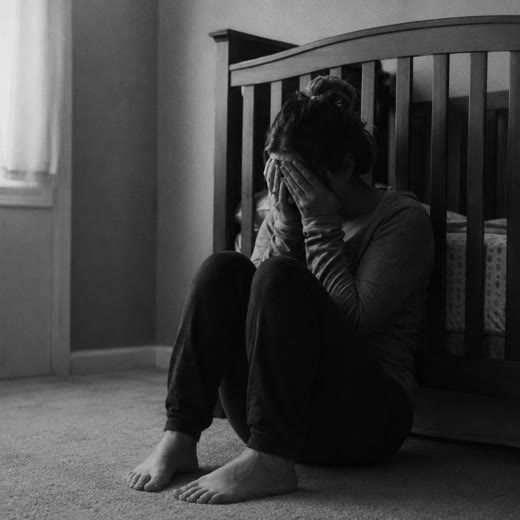

If your 3 month old was finally giving you a few longer stretches and has suddenly gone back to waking every hour, you’re not imagining it and you didn’t undo your progress. Lots of parents feel a real sleep disruption right around 12 to 16 weeks. Whether you call it the 3 month sleep regression or the leading edge of the 4 month one, the underlying cause is the same, and so is the reassuring part: it’s biological, it’s expected, and it’s temporary.
Key Takeaways
- The 3 month sleep regression is usually the early edge of the well-documented 4 month regression: your baby’s sleep architecture is starting to mature from newborn sleep toward adult-like cycles.
- At 3 months it can also be driven by a growth spurt and a burst of social and neurological development, all landing in the same few weeks.
- It tends to be short, roughly 1 to 2 weeks, though for some babies it simply blends into the 4 month regression rather than resolving cleanly.
- Short wake windows and an earlier bedtime help more than any formal sleep program at this age.
- Persistent breathing changes during sleep, dramatically below-range total daily sleep, or missed milestones are pediatrician conversations, not regression ones.
Before we go further, the question you came here to answer:
How long does the 3 month sleep regression last?
For most babies, the 3 month sleep regression lasts about 1 to 2 weeks. The catch is that it often sits right up against the 4 month regression, so for some families it doesn’t fully resolve before that longer disruption (typically 2 to 6 weeks) begins. Either way, the change underneath is your baby’s sleep maturing, which is permanent progress. The night wakings are not.
Table of Contents
What is the 3 month sleep regression?
The 3 month sleep regression is a stretch, usually around 12 to 16 weeks, when a baby who had been sleeping in longer newborn chunks suddenly wakes far more often. Newborns have two broad sleep states. Starting around 3 to 4 months, those begin reorganizing into the four-stage cycle the rest of us use for life, with lighter stages, deeper stages, and brief arousals between cycles.¹ The 3 month regression is often the first visible sign of that shift.
Honest framing: many pediatric sleep experts do not treat “3 month regression” and “4 month regression” as two separate events. They’re the same underlying maturation, just showing up on the earlier or later side of a normal range. If your baby started fragmenting at 12 weeks, you’re simply on the early edge. For the full picture of what’s coming, read the 4 month sleep regression guide, because it describes the same process in more detail.
Why it happens
Around 3 months, a few things tend to shift at once, and they all touch sleep:
- Sleep architecture starts to mature. The biphasic newborn pattern (active sleep / quiet sleep) begins reorganizing into the four-stage NREM/REM cycle. Your baby spends more time in lighter stages, which means more chances to wake fully. This change is permanent.¹
- A growth spurt often lands here. Many babies hit a feeding surge around 3 months, which can mean genuine hunger wakings layered on top of the lighter sleep.
- Neurological and social leaps. Social smiles, cooing, tracking faces, better head control, and early hand discovery are all coming online. The brain processes that new work overnight, which can fragment sleep.
- Longer alert awake time. Your baby can now stay awake and engaged longer than in the newborn weeks, which makes overtiredness easier to stumble into if wake windows creep too long.
None of these are problems. They’re developmental milestones showing up in the sleep system. That’s also why the change underneath is permanent: sleep cycles don’t un-mature.
Why the longer stretches start breaking up around 12 to 16 weeks
Signs your baby is in the 3 month sleep regression
The signs that line up most consistently at this age are:
- Night wakings increase in a baby who was just starting to give you longer stretches.
- Naps shorten to roughly one sleep cycle (about 30 to 45 minutes) and stay there.
- Bedtime or settling gets harder, with more fussing before sleep.
- Feeding wakings increase, sometimes from a genuine growth spurt.
- More alert, wide-eyed periods where the baby wants to practice new skills instead of sleep.
- General fussiness ramps up around sleep transitions.
You don’t need all of them. Two or three showing up together around 12 to 16 weeks is usually enough.
What the data shows
Frequent night waking at this age is not a sign that something is wrong. In Betteroo’s State of Baby Sleep survey of 5,002 parents, 65.6% of families with a baby in the 4 to 6 month band reported waking 3 or more times a night. In other words, the pattern that feels like a personal crisis at 3am is the statistical norm for babies right around this age.
- The single biggest thing that stretches a short regression into a long one is usually not the baby. It’s stacking several changes at once and never letting any of them settle.
- Protecting an age-appropriate wake window and moving bedtime slightly earlier tend to help faster than holding a pre-regression schedule that no longer fits.
- Because the 3 month disruption sits so close to the 4 month one, some families never see a clean “back to normal” in between. That’s expected, not a failure.
If you’re Googling “is this normal” at 2am, the honest answer is: almost always yes. Much of the “your baby’s sleep is broken” framing in sleep app marketing is not what the developmental picture supports.
If you’d rather see where your specific baby sits than read more general guidance, that’s what the Betteroo quiz was built for.
Not sure if it’s the 3 month or the 4 month regression?
Take the free Betteroo quiz. Three minutes, built on data from thousands of families. We’ll tell you what we see and what to try first.
Take the 3-Min Quiz →What actually helps
A few boring, low-drama moves do more at 3 months than any formal sleep program. None of them are heroic. All of them are boring on purpose.
1. Keep the wake windows short.
At 3 months, most babies handle only about 45 to 75 minutes of awake time between sleeps. That is short, and it is easy to overshoot now that your baby can stay alert longer. Push past it and you get an overtired baby who sleeps worse, not better. For where your child sits, the 3 month old sleep schedule guide breaks down typical windows and naps.
Typical awake-time tolerance between sleeps. The 3-month row is the one to memorize this week.
| Age | Wake window | Typical naps | Total day sleep |
|---|---|---|---|
| 2 months | 45 to 60 min | 4 to 5 | 14 to 17 hours |
| 3 months ⭐ | 45 to 75 min | 4 to 5 | 14 to 17 hours |
| 4 months | 60 to 90 min | 3 to 4 | 12 to 16 hours |
| 5 months | 75 to 105 min | 3 | 12 to 15 hours |
| 6 months | 90 to 120 min | 2 to 3 | 12 to 15 hours |
Ranges are typical; healthy babies vary. If your baby consistently sits at the high or low end, that’s usually fine. See the full wake windows by age guide for nuance.
2. Move bedtime earlier.
Counterintuitively, an earlier bedtime usually means fewer night wakings, not more. Overtired babies wake more often and earlier in the morning. Try moving bedtime 15 to 30 minutes earlier than your pre-regression baseline and hold it for at least four nights before judging.
3. Feed through a growth spurt.
A real feeding surge is common right at 3 months. If your baby is waking hungry, feed them. This is not the moment to night-wean or to hold a rigid feeding schedule. Growth spurts are short, and responding to genuine hunger now often shortens the disruption rather than prolonging it.
4. Pick one consistent fall-asleep cue and keep it.
Rocking, feeding, contact, sound machine, any one of these can work. The problem isn’t which cue you pick. It’s switching between three different cues across a single night because everything feels broken. Pick one. Use it for 7 to 10 nights. Then evaluate.
5. One adult sleeps first.
If there are two adults in the house, take shifts. One person goes to bed early and handles the first half of the night. The other handles the early morning. The version of you who has slept a solid stretch is a more competent, calmer parent than the version co-rocking and co-anxious all night. This isn’t optimization, it’s recovery. Parent sleep loss measurably affects mood and parenting stress, and it compounds if one adult absorbs all of it.
What doesn’t help (and what to skip this week)
Equal time on the things that aren’t going to move the needle and might make it worse:
- Schedules from social media. The viral “perfect 3 month schedule” you saved at 3am was almost certainly written by someone who doesn’t know your baby. Your wake windows and your baby’s temperament matter more than any shareable PDF.
- Adding rice cereal to bottles. Not a sleep fix. Pediatric guidance has long advised against this as a sleep intervention: it’s a choking-and-aspiration risk, and the evidence that solids before 6 months change night wakings is weak at best.
- Changing five things at once. If you change the room temperature, the swaddle, the bedtime, the feed schedule, and the fall-asleep cue in the same week, you won’t know which one helped or hurt. Pick one variable.
- Starting formal sleep training. The major evidence base for structured behavioral sleep training looked at infants 6 months and older.³ At 3 months, your baby is developmentally too young for the formal methods. The moves above are what help now.
When it’s NOT just the regression
The 3 month sleep regression is common, but it’s not the only thing that can disrupt sleep at this age. Talk to your pediatrician, not your sleep app, if any of the following are happening:
- Persistent breathing changes during sleep: snoring with pauses, unusually heavy breathing, mouth breathing that won’t resolve. AAP safe sleep guidance addresses this as a flag worth raising with a pediatrician.²
- Total daily sleep dramatically below the typical range for this age (roughly 14 to 17 hours including naps) across multiple weeks, not single bad nights.⁴
- Missed developmental milestones alongside the sleep change.
- Signs of reflux or feeding pain that escalate at bedtime: arching, crying that doesn’t soothe in horizontal positions, frequent spitting up with discomfort.
- A sudden change in alertness, tone, or temperature.
Outside of those, what you’re experiencing is almost certainly the regression. Tiring, but typical.
A note on sleep training at 3 months
The desperation to “fix” sleep at 3 months is real, and we don’t blame anyone for feeling it. But 3 months is early. The landmark reviews of structured behavioral sleep training looked at babies 6 months and older.³ That doesn’t mean nothing helps now: the moves above all help. It means the formal methods you’ve heard of were designed and tested for older babies. For most families, the right sequence is to ride out the 3 month regression, expect that it may run straight into the 4 month regression, and revisit formal training closer to 6 months if you still want to.
If you want to understand how the regressions fit together across the whole first year, the sleep regression ages guide maps each one and what drives it.
Frequently asked questions
Is the 3 month sleep regression real?
Yes, though it’s often the leading edge of the better-documented 4 month regression rather than a separate event. Both map to the same maturation of infant sleep architecture, which begins around 3 to 4 months as newborn biphasic sleep reorganizes into the four-stage NREM/REM cycle. At 3 months it can also be amplified by a growth spurt and a burst of social and neurological development.
Is the 3 month regression the same as the 4 month regression?
Usually, yes. Many pediatric sleep experts treat them as one underlying process showing up on the earlier or later side of a normal range. If your baby started fragmenting around 12 weeks, you’re simply on the early edge. For some families the two blend together with no clear break in between, which is completely normal.
How long does the 3 month sleep regression last?
For most babies, about 1 to 2 weeks. The exception is when it runs directly into the 4 month regression, which typically lasts 2 to 6 weeks. In that case you may not see a clean return to normal in between. The change underneath, your baby’s sleep maturing, is permanent. The night wakings are not.
What causes the 3 month sleep regression?
A few things at once: sleep architecture starting to mature into lighter, more wakeable cycles; a common growth spurt around this age; and a leap in social and neurological development. Your baby can also stay alert longer now, which makes overtiredness easier to stumble into if wake windows get too long.
Should I sleep train at 3 months?
For most families, no. The major evidence base for structured behavioral sleep training looked at infants 6 months and older, so 3 months is developmentally early for the formal methods. Focus instead on short wake windows, an earlier bedtime, feeding through any growth spurt, and one consistent fall-asleep cue. Revisit formal training closer to 6 months if you still want to.
How do I know if it’s the regression or something else?
The regression usually shows up around 12 to 16 weeks as more frequent night wakings, shorter naps, and harder settling, with no breathing concerns, no missed milestones, and total daily sleep still broadly in the typical range. Persistent breathing changes, dramatically low total sleep across multiple weeks, missed milestones, or feeding-pain signs warrant a call to your pediatrician.
Key takeaway
The 3 month sleep regression is best understood as the opening act of the 4 month one: your baby’s sleep is starting to mature, a growth spurt may be piling on, and their brain is busy with new skills. It’s not a defect, you didn’t cause it, and you can’t “fix” it because it isn’t broken. Keep wake windows short, move bedtime earlier, feed through the growth spurt, pick one cue, and take shifts. If it flows straight into the 4 month regression, that’s normal too.
You’re not behind. You’re at the start of a normal, temporary shift.
See where your baby sits, and which of the moves above is likely to help fastest. Three minutes, free.
Get Personalized Sleep Help →Want hands-on help near you? Betteroo maintains verified directories of baby sleep consultants in 11 US cities, every listing checked monthly against the consultant’s own site and certifying program, with transparent pricing. Browse sleep consultants by city or see what a sleep consultant costs.
4 Sources
- Galland, B. C., Taylor, B. J., Elder, D. E., & Herbison, P. (2012). Normal sleep patterns in infants and children: a systematic review of observational studies. Sleep Medicine Reviews, 16(3), 213-222. https://pubmed.ncbi.nlm.nih.gov/21784676/
- American Academy of Pediatrics Task Force on Sudden Infant Death Syndrome. (2022). Sleep-Related Infant Deaths: Updated 2022 Recommendations for Reducing Infant Deaths in the Sleep Environment. Pediatrics, 150(1). https://pubmed.ncbi.nlm.nih.gov/35726558/
- Mindell, J. A., Kuhn, B., Lewin, D. S., Meltzer, L. J., & Sadeh, A. (2006). Behavioral treatment of bedtime problems and night wakings in infants and young children. Sleep, 29(10), 1263-1276. https://pubmed.ncbi.nlm.nih.gov/17068979/
- Paruthi, S., Brooks, L. J., D’Ambrosio, C., et al. (2016). Recommended Amount of Sleep for Pediatric Populations: A Consensus Statement of the American Academy of Sleep Medicine. Journal of Clinical Sleep Medicine, 12(6), 785-786. https://pubmed.ncbi.nlm.nih.gov/27250809/