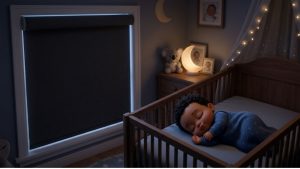
The best baby humidifier is one you’ll consistently use and keep clean—because while humidifiers can help make dry air more comfortable, they’re only effective if they fit easily into your real routine.
If you’re looking into humidifiers, it’s usually because something feels slightly off. The air feels dry. Your baby sounds a little congested. The heat has been running nonstop. Or you’ve heard it’s something you “should have” and want to make a smart decision without overcomplicating things.
This guide will help you choose one clear, practical option, understand when a humidifier actually helps, and avoid turning this into a bigger purchase (or maintenance task) than it needs to be.
Table of Contents
How to Choose the Best Baby Humidifier
Most parents don’t set out thinking, “I need a humidifier.” They start with a feeling, something isn’t quite right in the room. Before choosing a product, it helps to ground what a humidifier actually does. A humidifier adds moisture to the air. That can make a room feel more comfortable when the air is dry, especially during colder months when heating systems pull moisture out of the air. For some babies, that can ease dryness in the nose or throat and make breathing feel a little more comfortable.
But it’s not a cure-all. It doesn’t treat illness, and it doesn’t fix sleep on its own. It’s a supportive tool, not a solution.
Best Baby Humidifier: Cool Mist vs Warm Mist
For nurseries, cool mist humidifiers are generally the standard choice1.
Both types add moisture to the air, but warm mist models involve heated water. Around babies and young children, that added risk is usually enough to steer parents toward cool mist as the simpler, safer option.
What Actually Matters When Choosing One
What separates a “good” humidifier from one that sits unused often comes down to everyday realities—not specs.
Ease of cleaning
This is the biggest one, and it’s often underestimated. Humidifiers need to be cleaned regularly to prevent buildup and keep them working properly. If a model is hard to open, awkward to scrub, or has too many small parts, it’s much less likely to get cleaned consistently. In real life, the “best” humidifier is often the one that feels manageable to maintain, not the one with the most features.
Tank size and overnight use
A humidifier that runs out halfway through the night creates more disruption than it solves. Larger tanks tend to be more convenient, especially for nurseries, because they can run through the night without needing a refill. Smaller units may still work well, but they often require more frequent attention.
Noise level
Most humidifiers produce some level of sound, whether it’s a soft hum or occasional bubbling. For some families, that sound blends into the background or even feels soothing. For others, especially in very quiet rooms, it can become noticeable. This isn’t about finding a completely silent model, it’s about choosing one that feels neutral enough for your space. If white noise is part of your baby’s sleep setup, our guide to the best sound machines for babies covers what actually matters there too.
Filters vs filter-free
Some humidifiers use filters to help manage mineral buildup or improve output. Filter-based models can feel more “hands-off” in some ways, but they come with the added step of replacing filters over time. Filter-free models avoid that cost but may require more regular cleaning, especially in areas with hard water.
Room size and output
Not every humidifier is designed for the same size room. A smaller unit may struggle to make a noticeable difference in a larger nursery, while a larger unit in a small room can feel like overkill. Most nursery-sized rooms fall into a range where standard mid-size humidifiers work well, which is where most of our picks sit.
A Quick Reality Check: Not every baby needs a humidifier. If the air in your home feels comfortable and your baby isn’t showing signs of dryness, you may not notice much of a difference. Many families use humidifiers seasonally, or only during colds, rather than as a permanent part of their setup. If your home already feels comfortable and your baby isn’t showing signs of dryness, there’s no real reason to add one.
Best Overall Baby Humidifier: Levoit Classic 300S
Levoit Classic 300S
Why this works This is the kind of humidifier most parents are actually looking for, even if they don’t know how to describe it yet. It has a large enough tank to run through the night, a straightforward design that doesn’t feel overly complicated, and consistent output for a typical nursery.
It strikes a balance between “set it and forget it” and “easy enough to maintain,” which is where most humidifiers either succeed or fall apart.
Best for Parents who want one reliable humidifier that works overnight, doesn’t require constant attention, and feels like a clear default choice.
What to know / tradeoffs It has more features than strictly necessary for some families, and like any humidifier, it still requires regular cleaning. The app functionality is optional—not essential to using it well.
Large enough tank to run through the night with consistent output for a typical nursery. Strikes the right balance between set-it-and-forget-it convenience and easy maintenance. App control is optional — it works great without it.
Best Simple, Nursery-Friendly Option: Crane Drop Cool Mist
Crane Drop Cool Mist Humidifier
Why it works This is the classic nursery humidifier—simple, recognizable, and easy to use. There’s very little setup or learning curve, which makes it appealing for parents who want something straightforward.
Best for Parents who prefer a familiar, no-frills option that fits easily into a nursery setup without overthinking it.
What to know / tradeoffs The tank is smaller than some newer models, which may mean refilling more often. Cleaning is manageable but not notably easier than other options.
Best Simple Option
The best no-frills humidifier for a straightforward nursery setup
The classic nursery humidifier — simple, recognizable, and easy to use with virtually no learning curve. Smaller tank may mean more frequent refills, but the tradeoff is a compact, familiar design that fits easily into any nursery.
Best for Congestion-Heavy Periods: Vicks Filtered Cool Mist Humidifier
Vicks Filtered Cool Mist Humidifier
Why it works This is often the humidifier parents reach for during colds or congestion-heavy stretches. The filtered system and familiar Vicks brand make it feel more purpose-built for comfort during those times.
Best for Parents who are primarily thinking about humidifier use during illness, dry air discomfort, or seasonal congestion.
What to know / tradeoffs It uses filters, which means ongoing replacement and cost. It’s less of an everyday, set-it-and-forget-it option and more of a targeted-use humidifier for some families.
Best for Congestion
The best humidifier for cold and congestion relief
The humidifier parents reach for during colds or congestion-heavy stretches. The filtered system feels purpose-built for comfort during illness and dry-air discomfort. Uses replacement filters, so it’s more of a targeted-use option than an everyday default.
Best for Low-Fuss Maintenance Mindset: Honeywell HCM-350
Honeywell HCM-350
Why it works This is a more utilitarian option that prioritizes reliability and straightforward function over design. It’s known for being durable and relatively easy to manage from a cleaning standpoint compared to more intricate designs.
Best for Parents who care less about how a humidifier looks and more about how manageable it feels to maintain over time.
What to know / tradeoffs It’s bulkier and less aesthetically “nursery-friendly” than other options. It also uses filters, which adds an extra step to upkeep.
Easiest to Maintain
The best humidifier for parents who prioritize low-fuss maintenance
A utilitarian pick that prioritizes reliability and straightforward cleaning over aesthetics. Durable and easy to manage long-term. Bulkier and less nursery-styled than alternatives, and uses replacement filters — but built to last.
Not by default. A humidifier can be helpful in certain environments, but it isn’t something every baby needs as part of a standard setup. Many homes maintain a comfortable level of humidity on their own, especially outside of colder months or in milder climates. Where humidifiers tend to make the most difference is in situations where the air is noticeably dry, typically during winter when indoor heating is running, or in homes where the air already tends to feel dry year-round.
In those cases, adding moisture can make the room feel more comfortable, especially overnight. For many families, a humidifier ends up being something they use seasonally or situationally, rather than something that runs every night indefinitely. It’s a tool you bring in when it’s helpful, not necessarily something you need to build your setup around from day one.
What does a humidifier actually do for a baby?
A humidifier adds moisture to the air, which can help reduce that dry, tight feeling that sometimes comes with indoor heating or dry climates. For babies, this can mean a little more comfort when the air feels dry, less dryness in the nose or throat and a slightly easier time with congestion during colds.
What it doesn’t do is treat the underlying cause of congestion or illness. It’s not a cure, and it doesn’t prevent sickness. It simply makes the environment feel more comfortable while a baby’s body does the work of recovering. That distinction matters, because it helps set realistic expectations. You’re not using a humidifier to “fix” something, you’re using it to support comfort.
Is a humidifier safe to use in a baby’s room?
Yes, when used thoughtfully. Cool mist humidifiers are generally preferred for nurseries because they don’t involve hot water or steam, which reduces the risk of burns. That’s why you’ll see most pediatric guidance lean in that direction.
Beyond the type of humidifier, safety mostly comes down to setup and maintenance: placing it on a stable surface, out of reach, keeping it at a reasonable distance from the crib, cleaning it regularly and emptying and refilling with fresh water. The consistency of doing this is what is important.
Cool mist vs warm mist: which is better for babies?
For most families, cool mist is the simpler and safer default. Warm mist humidifiers can work just as well in terms of adding moisture to the air, but they involve heated water. In a nursery setting, that added risk, however small, is usually enough to steer parents toward cool mist options instead.
From a performance standpoint, both types increase humidity. The difference is less about effectiveness and more about safety and practicality in a child’s room.
Can a humidifier help with a baby’s congestion or cough?
It can help a little, but it’s not a primary treatment. When the air is dry, congestion can feel worse because nasal passages become more irritated. Adding moisture can make breathing feel more comfortable and may help loosen things slightly.
That said, a humidifier isn’t going to resolve congestion on its own. If your baby is sick, it’s one supportive tool alongside things like hydration, rest, and any guidance from your pediatrician. Parents often notice that it takes the edge off, rather than dramatically changing the situation.
How often do you actually need to clean a humidifier?
More often than most people expect, and this is where choosing the right one really matters. Humidifiers hold water, which means they can develop buildup if they’re not cleaned regularly. In real life, that usually translates to quick daily emptying and drying, and deeper cleaning every few days to once a week, depending upon use and manufacturer’s instructions.
This is why “easy to clean” isn’t just a nice feature, it’s a deciding factor. A humidifier that’s technically excellent but annoying to clean often ends up being used less, or inconsistently. If you’re deciding between two models, it’s worth leaning toward the one you’ll actually maintain.
Should I run a humidifier all night?
In most cases, yes, if you’re using one, it’s typically intended to run through the night. That’s when dry air tends to be most noticeable, especially with heating systems running and windows closed. A humidifier that can last overnight without needing a refill is usually more convenient and consistent.
That said, not every home or season requires it nightly. Many families use a humidifier only during colder months, when the air feels dry or when their baby seems uncomfortable. It doesn’t need to be an all-or-nothing routine.
Can a humidifier make a room too humid?
It can, although this is less common with standard use. If a humidifier runs continuously in a small space without adjustment, the air can become overly damp. In practice, most parents notice this as condensation on windows or a slightly “heavy” feeling in the room.
This is usually easy to adjust by reducing the runtime, lowering the output or using it more situationally rather than constantly. You don’t need to aim for precision, you’re just trying to keep the room comfortable, not perfectly calibrated. A comfortable range for most homes is around 30–50% relative humidity 2.
What’s the difference between filtered and filter-free humidifiers?
This mostly comes down to how maintenance is handled. Filter-free models require more regular cleaning but are simpler day to day. Filtered models use a filter to manage minerals and output, so they require periodic replacement. While it can feel more “set and forget,”, it’s adds an ongoing cost.
There’s no universally better option. It depends on whether you’d rather clean more often or replace filters over time. Most parents have a clear preference once they think about how they actually manage things at home.
Do humidifiers help babies sleep better?
They can help create a more comfortable environment, which may support sleep, but they’re rarely the main factor. If dry air is part of what’s making your baby uncomfortable, improving the humidity can make it easier for them to settle and stay asleep.
But sleep is influenced by many variables, timing, routine, development, feeding, and those usually have a bigger impact. A humidifier is best thought of as one supportive piece, not a sleep solution on its own.
When should I stop using a humidifier for my baby?
There’s no set timeline. Some families use humidifiers only during the newborn stage. Others bring them out seasonally for years. Some stop using them entirely once the environment feels comfortable without one. A good rule of thumb is simple: If you’re no longer noticing a difference when it’s on, you probably don’t need it at that moment. It’s a flexible tool, not a permanent requirement.
What if I buy one and end up not using it?
That happens more often than people admit. Humidifiers fall into a category of “useful when needed, easy to forget when not.” If the air in your home is generally comfortable, it may not become part of your daily routine, and that’s okay. This is exactly why it helps to start with one solid option and avoiding overinvesting upfront.
Once you see actual use, you can determine if it earns a place in your setup. You don’t have to commit to a complex system, you can look at it as trying a tool.