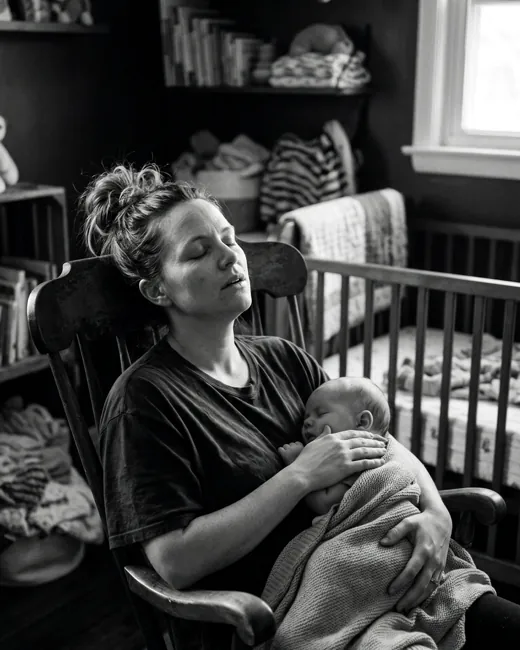

At two weeks old, your baby is feeding often, sleeping in short scattered stretches, and may be hitting one of the first growth spurts, all while regaining birth weight and settling into life outside the womb.
The second week of your baby’s life brings its own rhythm: more alert moments, very frequent feeding, and possibly a growth spurt that has your newborn wanting to nurse or take a bottle almost constantly. This guide covers exactly what to expect from a two week old, including development, feeding amounts, sleep and wake windows, the two-week checkup, and the specific warning signs that mean you should call your pediatrician.
Everything here reflects current pediatric guidance, but your baby is an individual, and your pediatric team is always the best source for advice about your specific child.
Key Takeaways
- Most 2 week olds have regained their birth weight and are becoming a bit more alert.
- Feed on demand: about 8 to 12 times a day for breastfed babies, roughly 2 to 3 ounces every 3 to 4 hours for formula-fed babies.
- A growth spurt with cluster feeding is common right around two weeks and is normal and temporary.
- Newborns sleep 14 to 17 hours a day in short stretches, with very short wake windows of about 45 to 60 minutes.
- A rectal temperature of 100.4 F or higher in a baby this young is an emergency; call the doctor right away.
Table of Contents
Your 2 Week Old Baby’s Development and Milestones
At two weeks old, your baby is still very much a newborn, but small changes are already underway. Many babies have regained their birth weight by around this age after the normal dip in the first days, and they are settling into life outside the womb. You may notice slightly longer stretches of alertness, more focused staring at faces, and the first hints of recognition when they hear your voice.
Your two week old sees best at a distance of about 8 to 12 inches, roughly the space between your face and theirs during feeding. High-contrast patterns and faces are the most interesting things in their world right now. Hearing is already well developed, so talking, humming, and singing are genuinely soothing and are quietly building the foundation of language.
Newborn reflexes are on full display at two weeks: the startle (Moro) reflex when they feel they are falling, the rooting and sucking reflexes that help with feeding, and the grasp reflex that curls their fingers around yours. These are normal, expected, and a sign the nervous system is working as it should.
Feeding a 2 Week Old
Frequent feeding is the headline of week two. A two week old has a tiny stomach and needs to eat often, around the clock, to grow. Feeding on demand, watching your baby rather than the clock, is the recommended approach at this age.
- Breastfed babies typically feed about 8 to 12 times in 24 hours, roughly every 2 to 3 hours, including overnight.
- Formula-fed babies usually take about 2 to 3 ounces per feeding every 3 to 4 hours at this age, though your baby’s cues come first.
- Watch for hunger cues like rooting, hand-to-mouth movements, and lip-smacking; crying is a late hunger sign.
- Expect at least six wet diapers a day and regular stools as a reassuring sign your baby is getting enough.
- Waking a very sleepy newborn to feed is often still necessary at two weeks, especially if your pediatrician has advised it for weight gain.
If breastfeeding still feels painful beyond the initial latch, or you have any worry about supply or weight gain, this is a great time to reach out to a lactation consultant or your pediatrician. Early support makes a real difference.
The 2 Week Growth Spurt and Cluster Feeding
Right around two weeks is one of the first common growth spurts, and it can catch new parents off guard. Almost overnight, a baby who seemed to have a rhythm suddenly wants to feed constantly, seems fussier, and sleeps in shorter bursts. This is normal and temporary.
During a growth spurt, babies often cluster feed, bunching many short feedings close together, especially in the evening. For breastfeeding parents, this frequent nursing is exactly how the body is told to make more milk to meet the growing demand, so it tends to resolve on its own within a few days. The best response is to feed when your baby asks, rest when you can, and stay hydrated.
Sleep and Wake Windows at 2 Weeks
A two week old sleeps a lot, usually 14 to 17 hours across a full day, but in short, unpredictable stretches scattered around the clock. There is no schedule yet, and there should not be. Newborn sleep is driven by hunger and comfort, not the time of day, and day-night confusion is completely normal at this stage.
Newborn nights are a lot right now.
When you are ready, our free two-minute quiz builds a gentle, personalized sleep plan for your baby.
Wake windows are very short now, often only 45 to 60 minutes, including feeding time, before your baby is ready to sleep again. Watching for early tired cues, like looking away, yawning, or fussing, and offering sleep before your baby becomes overtired makes settling easier. You cannot spoil a newborn, so responding to cues is exactly right.
Every sleep, day or night, should follow safe sleep basics: always on the back, on a firm, flat mattress in a crib or bassinet, with no pillows, blankets, bumpers, or soft toys, and ideally in your room but not in your bed. If you want a fuller picture of what is ahead, our guide to newborn feeding and sleep rhythms walks through the early weeks.
The 2 Week Checkup
Most babies have a well-child visit around two weeks old. It is a reassuring appointment that focuses on a few key things and gives you a chance to ask everything on your mind.
- Weight, length, and head circumference are measured and plotted on a growth chart, confirming your baby is back to or above birth weight.
- The pediatrician checks the umbilical cord stump, skin, hips, heart, and reflexes.
- Feeding is reviewed in detail, whether you are breastfeeding, formula feeding, or both.
- You can raise any concerns about jaundice, spitting up, crying, or your own recovery and mood.
- It is a good moment to confirm the vitamin D drops recommended for breastfed babies.
Bring your questions written down. No worry is too small, and your pediatric team would always rather hear from you.
Crying, Soothing, and What Is Normal
Crying tends to increase over the first weeks of life and often peaks around six weeks, so a two week old who cries more than you expected is usually right on track. Calming techniques that mimic the womb work well: swaddling, gentle rocking or swaying, a soft shushing sound, offering a clean finger or pacifier to suck, and skin-to-skin contact.
Learning your baby’s cues takes time, and some crying with no obvious cause is normal at this age. That said, trust your instincts. Inconsolable crying paired with any sign of illness is always worth a call to your pediatrician.
When to Call the Doctor
Newborns cannot tell us when something is wrong, so a few specific signs always warrant a prompt call to your pediatrician or a visit to urgent care.
- A rectal temperature of 100.4 degrees Fahrenheit (38 degrees Celsius) or higher, which is a medical emergency in a baby this young.
- Poor feeding, far fewer wet diapers than usual, or signs of dehydration.
- Worsening yellow color of the skin or eyes (jaundice), or a very sleepy baby who is hard to wake for feeds.
- Persistent, forceful vomiting, or vomit that is green or bloody.
- Trouble breathing, a bluish color, or inconsolable crying you cannot explain.
When in doubt, call. Pediatric offices expect and welcome questions about newborns, and it is always better to check.
Caring for Yourself in Week Two
The second week is often when the initial adrenaline fades and the reality of round-the-clock care sets in. Your own recovery matters just as much as your baby’s. Sleep when you can, even in short stretches, accept help with meals and chores, stay hydrated, and keep your own postpartum checkup on the calendar.
Pay attention to your mood, too. Fleeting weepiness in the first couple of weeks, sometimes called the baby blues, is common. But if sadness, anxiety, or a sense of disconnection feels heavy, lasts beyond two weeks, or interferes with caring for yourself or your baby, reach out to your provider. Postpartum mood conditions are common and very treatable, and getting support early is a sign of strength, not failure.
Frequently Asked Questions
How much should a 2 week old eat?
Feed on demand. Breastfed babies typically nurse about 8 to 12 times in 24 hours, roughly every 2 to 3 hours. Formula-fed babies usually take about 2 to 3 ounces per feeding every 3 to 4 hours at this age. Follow your baby’s hunger cues rather than the clock, and expect at least six wet diapers a day as a sign they are getting enough.
How much should a 2 week old sleep?
A 2 week old sleeps about 14 to 17 hours across a full 24-hour day, but in short, unpredictable stretches around the clock. There is no set schedule yet, and day-night confusion is completely normal. Wake windows are very short, often only 45 to 60 minutes including feeding, before your baby is ready to sleep again.
Do babies have a growth spurt at 2 weeks?
Yes. Around two weeks is one of the first common growth spurts. Your baby may suddenly want to feed constantly, seem fussier, and sleep in shorter bursts, often cluster feeding in the evening. This is normal and usually passes within a few days. For breastfeeding parents, the frequent nursing is how your body is told to make more milk.
What milestones does a 2 week old have?
At two weeks, babies focus on faces about 8 to 12 inches away, respond to familiar voices, and show newborn reflexes like startle, rooting, sucking, and grasp. They are not smiling socially or holding their head up steadily yet; those come later. Regaining birth weight is the main measurable milestone at this age.
When should I worry about my 2 week old?
Call your pediatrician right away for a rectal temperature of 100.4 F (38 C) or higher, poor feeding or far fewer wet diapers, worsening jaundice or a very sleepy baby hard to wake, forceful or green or bloody vomiting, trouble breathing, or a bluish color. When in doubt, always call; newborn concerns are welcome.
Better sleep, for both of you.
Betteroo builds a personalized plan for your baby’s sleep. Take the free two-minute quiz to get started.
Related reading: The newborn weeks are shaping, not training. For a working sleep consultant’s checklist of when not to sleep train a newborn.
5 Sources
- American Academy of Pediatrics (HealthyChildren.org) – Newborn and Infant Health
https://www.healthychildren.org/English/ages-stages/baby/Pages/default.aspx - AAP – Amount and Schedule of Baby Formula Feedings
https://www.healthychildren.org/English/ages-stages/baby/formula-feeding/Pages/Amount-and-Schedule-of-Formula-Feedings.aspx - CDC – Infant and Toddler Sleep and Safe Sleep
https://www.cdc.gov/sudden-infant-death/about/index.html - Mayo Clinic – Newborn Care and Health
https://www.mayoclinic.org/healthy-lifestyle/infant-and-toddler-health/basics/newborn/hlv-20049400 - KidsHealth (Nemours) – Your Newborn’s Growth
https://kidshealth.org/en/parents/growth-2wk.html