
Home
»
Development
»
Outdoor Games for Kids: 25+ Fun Ideas by Age (Little or No Gear)

Outdoor Games for Kids: 25+ Fun Ideas by Age (Little or No Gear)

Updated

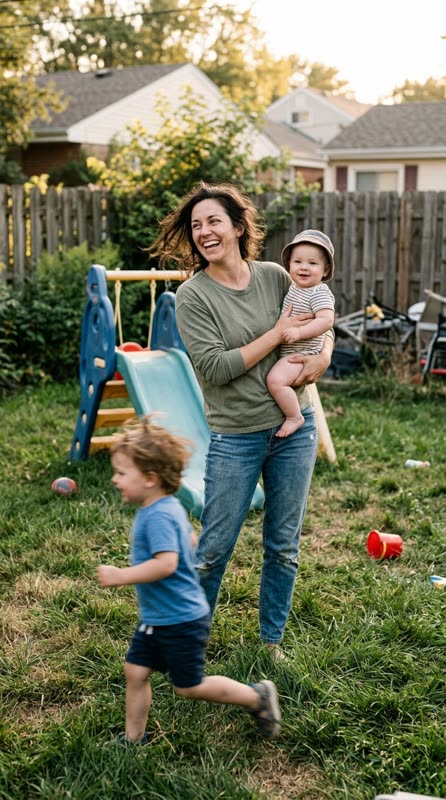
Young children playing and chasing bubbles outdoors on a sunny lawn
Rachel Rothman, Co-Founder and Chief Parenting Officer at Betteroo

Written By

Rachel Rothman

Chief Parenting Officer

Dr. Meidad Greenberg, Board-Certified Pediatrician and Pediatric Medical Advisor at Betteroo

Medically Reviewed By

Meidad Greenberg, M.D.

Board-Certified Pediatrician

The best outdoor games for kids need almost no equipment, just a ball, some chalk, and room to run, and they build coordination, focus, and better sleep along the way.

Outdoor play is one of the best things you can offer a child: it develops motor skills, lifts mood, protects eyesight, and wears kids out in the best possible way. And the games that do all that are usually the simplest ones.

This guide is packed with outdoor games organized by age, from toddlers to big kids, plus quick low-prep ideas you can set up in seconds and the safety basics that keep everyone happy.

Key Takeaways

  • Outdoor play builds gross motor skills, focus, and mood, and supports better sleep.
  • Toddlers do best with simple, repetitive movement games like bubble chase and ball rolling.
  • Preschoolers and big kids enjoy rule-based classics: tag, hopscotch, and Red Light, Green Light.
  • Most great outdoor games need little or no equipment, just a ball, chalk, or rolled-up socks.
  • Use sun protection, offer water often, and always supervise any water play.

Why Outdoor Play Is So Good for Kids

Outdoor play is not just a way to burn energy, though it does that beautifully. Running, climbing, throwing, and balancing build the gross motor skills and coordination young children need, while unstructured outdoor time supports attention, mood, and better sleep. Time outside is also linked to healthier eyesight, and it gives kids the space to take small, confidence-building risks.

You do not need fancy equipment or a big yard. The best outdoor games use almost nothing: a ball, some sidewalk chalk, a few household objects, and a little imagination. The games below are grouped by age so you can match them to your child’s stage.

Outdoor Games for Toddlers (Ages 1 to 3)

Toddlers are working on walking, running, and balance, so the best games are simple, repetitive, and full of movement. Keep the rules loose; at this age the fun is in the doing, not the winning.

  • Bubble chase: blow bubbles and let your toddler stomp and pop them (great for coordination).
  • Ball roll and kick: roll a large soft ball back and forth, then graduate to gentle kicking.
  • Nature scavenger hunt: find a leaf, a rock, something yellow, something soft.
  • Follow the leader: march, hop, tiptoe, and wave arms for your toddler to copy.
  • Water play: a shallow bin or a few cups of water and containers to pour (always supervised).
  • Sidewalk chalk: scribble, then make big shapes for them to stomp on.

Outdoor Games for Preschoolers and Big Kids (Ages 4+)

Older preschoolers and school-age kids can handle real rules, turn-taking, and a bit of friendly competition. These classics need little or no equipment and work for one child or a whole group.

  • Red Light, Green Light: a favorite for practicing self-control and listening.
  • Tag and freeze tag: pure cardio and giggles; freeze tag adds a rescue twist.
  • Hopscotch: draw a grid with chalk for balance, counting, and hopping.
  • Hide and seek: builds patience and problem-solving.
  • Obstacle course: use cones, jump ropes, and hula hoops to crawl, jump, and weave.
  • Simon Says: listening and body awareness with lots of laughs.
  • Duck, Duck, Goose: a great group game for a birthday crowd.

Fresh air, big play, better sleep.

Active outdoor days help kids sleep, but timing and routine matter too. Take our free quiz for a personalized sleep plan.

Take the Free Sleep Quiz

Simple Outdoor Games You Can Set Up in Seconds

When you need to get everyone moving fast, these take almost no prep and use things you already have. They are perfect for the backyard, a park, or a driveway.

GameYou needSkill it builds
Beanbag tossBeanbags or rolled socks, a bucketAim, hand-eye coordination
Balloon keep-upOne balloonTracking, gross motor
Chalk obstacle lineSidewalk chalkBalance, following directions
Sock snowball fightRolled-up socksThrowing, dodging, giggles
Nature colors huntAn egg cartonObservation, sorting
Low-prep outdoor games for quick wins. Adjust the difficulty up or down to fit your child’s age.

Outdoor Games by Season

A change in weather is a chance for new play, not a reason to stay in. Matching games to the season keeps outdoor time fresh all year and gives kids a reason to get out even when it is cold or wet.

  • Spring: puddle jumping (in rain boots), planting seeds, worm and bug hunts after rain.
  • Summer: sprinkler runs, water-balloon toss, frozen-treat picnics, shadow tag in the early evening.
  • Fall: leaf pile jumping, acorn and pinecone collecting, a nature color hunt.
  • Winter: snow angels, snowman building, tracking footprints, a short bundled-up nature walk.

Dress for the conditions and keep cold-weather sessions shorter, and you unlock the whole calendar. Kids who play outside across the seasons are more active overall and less bothered by weather that keeps other families indoors.

Keeping Outdoor Play Safe

A little planning keeps outdoor play fun. Use sunscreen and hats on bright days, offer water often, and dress kids for the weather. Match the game to the space: save running games for open, obstacle-free areas, and keep water play shallow and always supervised, since young children can drown in very little water in seconds.

On hot days, play in the shade and take breaks; on cold days, keep sessions shorter and watch for red cheeks and shivering. When the weather simply will not cooperate, move the fun inside with our indoor activities for kids, or channel the energy into toddler activities that work in any room.

Getting Reluctant Kids Outside

If your child resists going out, start small and go with them. Children are far more likely to play outside when a parent joins in for the first few minutes, and a single prop (a ball, a bucket of chalk, a bug-catching cup) often provides just enough of a hook. Aim for a rhythm of outdoor time most days rather than one marathon session.

Keep expectations loose and let the play be child-led once it gets going. The goal is movement and joy, not a perfectly executed game. Some of the best outdoor play looks like nothing more than digging, splashing, and running in circles, and that is exactly as it should be.

Frequently Asked Questions

What are good outdoor games for toddlers?

Toddlers love simple, movement-based games: chasing and popping bubbles, rolling and kicking a soft ball, follow the leader, nature scavenger hunts, and supervised water play. Keep rules minimal and focus on the fun of moving.

What outdoor games need no equipment?

Tag, hide and seek, Red Light Green Light, Simon Says, Duck Duck Goose, and follow the leader all need zero gear. Add sidewalk chalk or a single ball and your options multiply.

How much outdoor play do kids need?

Experts encourage active play every day, with preschoolers benefiting from several hours of active time spread across the day. Outdoor time also supports sleep and healthy eyesight, so aim for some most days, weather permitting.

What are good outdoor games for a group or party?

Duck Duck Goose, freeze tag, Red Light Green Light, a simple relay race, and beanbag toss all work well for groups and scale easily for a birthday crowd.

How do I keep outdoor play safe in hot weather?

Play in the shade during peak sun, use sunscreen and hats, offer water frequently, take breaks, and keep any water play shallow and closely supervised.

Big days need good nights.

Active outdoor play helps kids sleep, and a solid routine seals it. Take our free 3-minute quiz for a personalized sleep plan.

Take the Free Sleep Quiz

Related Betteroo Guides

4 Sources
  1. HealthyChildren.org (AAP), The Power of Play
    https://www.healthychildren.org/English/family-life/power-of-play/Pages/default.aspx
  2. CDC, Physical Activity for Children
    https://www.cdc.gov/physical-activity-basics/guidelines/children.html
  3. Nemours KidsHealth, Outdoor Play and Kids
    https://kidshealth.org/en/parents/active-kids.html
  4. American Academy of Pediatrics, Outdoor Time and Health
    https://www.aap.org/en/patient-care/environmental-health/