
A useful baby registry covers six jobs: safe sleep, safe transport, feeding, diapering, clothing, and keeping baby clean and well. Get those right with a firm flat sleep space, an infant car seat, a feeding setup for your plan, and a big stock of diapering basics, and everything else is optional convenience.
Registry checklists have an inflation problem. Retailer templates run 100 to 200 items because every item is revenue, and first-time parents cannot yet tell the daily workhorses from the things that get used twice. The result is a garage full of barely used gear and, too often, a missing item that actually matters.
This list runs the opposite direction. It is organized by job, marks what is truly essential versus genuinely nice to have, and flags the registry classics that most families regret. For the fuller gear discussion beyond the registry itself, see our companion guide to baby must haves.
Key Takeaways
- Six jobs cover a newborn’s needs: sleep, transport, feeding, diapering, clothing, and health/bathing.
- The only true non-negotiables: a safe sleep space with a firm flat mattress, an infant car seat, feeding supplies, and diapers.
- Register across price points; group gifts work well for the stroller and other big items.
- Skip crib bumpers, loose blankets, pillows, and soft bedding entirely. Bare is best in the crib.
- Buy the car seat new or verify history and expiration carefully. It is the one item never to source blind secondhand.
- Register for size 1 diapers as well as newborn size. Many babies outgrow newborn diapers in weeks.
Table of Contents
Safe Sleep Must Haves
Sleep gear is where safety rules do most of the sorting for you. The American Academy of Pediatrics recommends a firm, flat, non-inclined sleep surface with a fitted sheet and nothing else: no bumpers, blankets, pillows, or stuffed animals for the first year.
- Crib, bassinet, or play yard meeting current CPSC standards. One is enough; a bassinet is convenient for room-sharing early, but a crib alone works from day one.
- Firm crib mattress that fits with no gap, plus 2 to 3 fitted sheets.
- Swaddles or sleep sacks, 3 to 4. Wearable layers replace every blanket. Zipper swaddles earn their keep at 3:00 am. See our tested picks in best swaddles for newborns.
- White noise machine. Cheap, durable, and one of the few sleep aids with real everyday value.
- Blackout curtains. The difference between a 5:30 am summer wake up and a 6:45 one.
Skip: crib bumpers (including mesh), weighted swaddles and weighted sleep sacks, inclined sleepers, and loungers marketed for sleep. All conflict with current AAP safe sleep guidance.
Car Seat and Getting Around
An infant car seat is the one item the hospital will check before you leave. Buy it new, or accept a hand-me-down only from someone you trust completely, with known crash history and an unexpired date printed on the seat.
- Infant car seat with a base for each car if possible. All seats sold in the US pass the same federal crash standards; fit in your car and ease of installation matter more than price.
- Stroller that accepts the car seat, or a frame stroller for the early months. This is the classic group-gift item.
- Baby carrier or wrap. For many parents this outworks the stroller daily. Contact-nap escape hatch included; see our contact naps guide.
- Diaper bag or any big bag with pockets you already own. Our full packing list: diaper bag essentials.
Feeding Must Haves
Feeding gear depends on your plan, but every plan needs a fallback, so most families should register a starter version of both nursing and bottle setups.
- If nursing: a pump (check insurance coverage first), milk storage bags, 2 to 3 nursing bras, nursing pads, and lanolin or balm. A dedicated pillow helps some parents; a couch cushion helps others just as much.
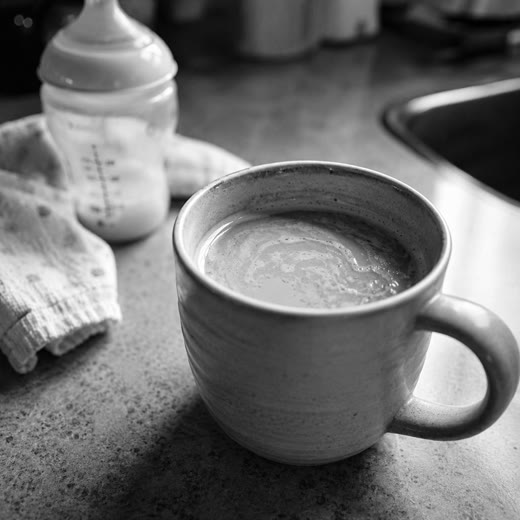
- Bottles: start small. Register 4 to 6 bottles in one or two brands, not a dozen of one. Babies veto bottles regularly, and an unopened case of the rejected brand is a registry classic.
- Formula-feeding: bottles as above, a formula your pediatrician suggests starting with, and a bottle brush plus drying rack.
- Burp cloths, 8 to 12. The real number. See why in our burping guide.
- Bibs and, for later, a high chair. The high chair can wait until closer to 6 months, which makes it a fine registry item since you will not need to store it long before use.
Registering for gear is easy. Newborn sleep is not.
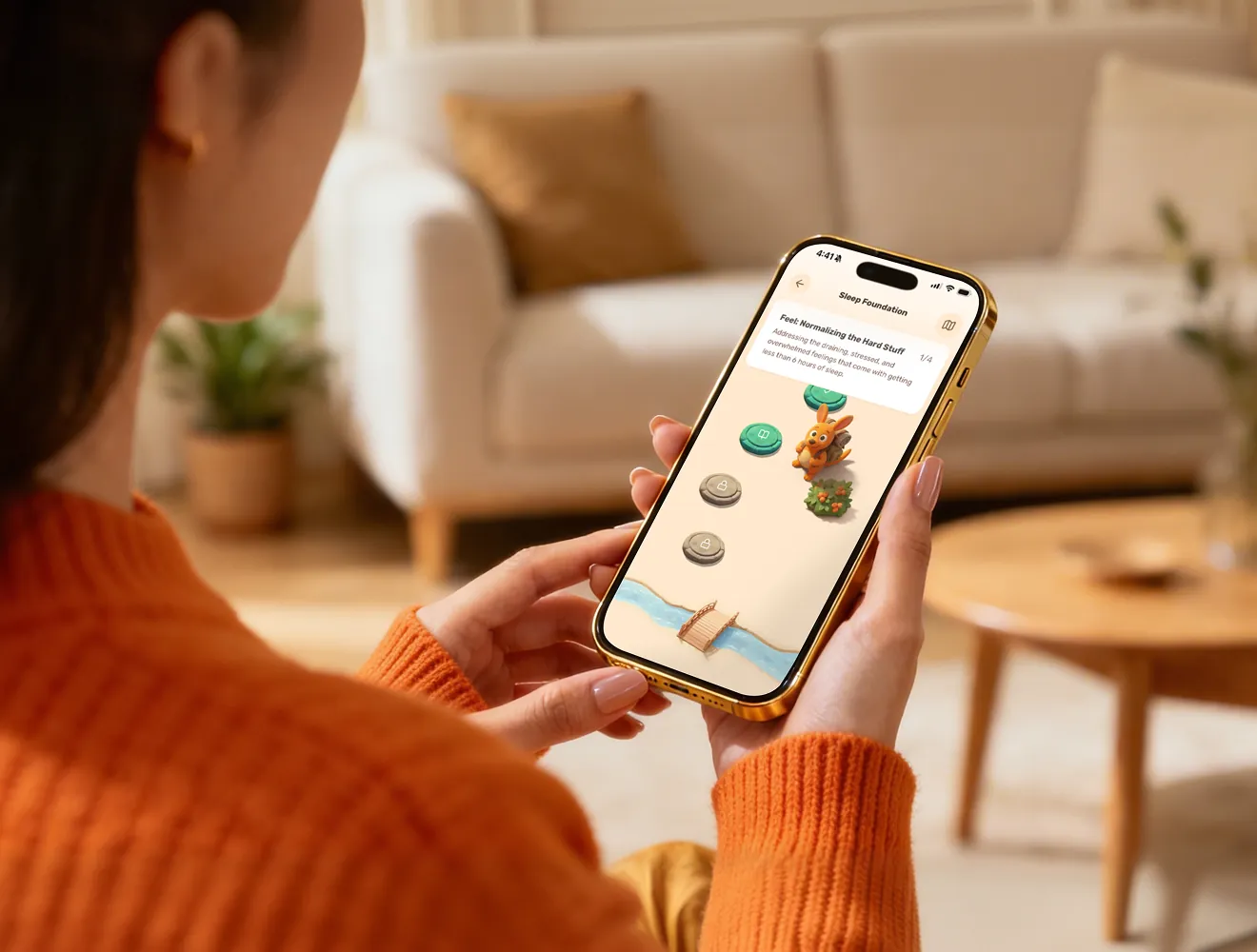
Betteroo gives new parents a step-by-step newborn sleep plan built around their baby. Set it up before the due date in about two minutes.
Diapering and Clothing
Diapering is a volume business: a newborn runs through 8 to 12 diapers a day, roughly 300 a month at the start. Register accordingly, and spread sizes.
- Diapers in newborn and size 1. Many 8-pound-plus babies skip newborn size within two or three weeks.
- Wipes in bulk, plus a small portable case.
- Changing pad with 2 covers. A dedicated table is optional; a pad on a dresser works identically.
- Diaper cream, one zinc-based tube and one everyday balm.
- Diaper pail or any lidded can with good bags. Genuinely optional, genuinely nice.
For clothing, think in outfit-changes per day, not outfits. Newborns commonly go through 2 to 3 changes daily. In each of the first two sizes: 7 to 10 bodysuits, 5 to 7 footed sleepers with zippers (zippers, always zippers), a few pairs of pants, socks, 2 hats, and one or two going-home-photo outfits because joy counts too. Skip shoes, jeans, and anything with a back zipper or twenty snaps.
Bath, Health, and the Extras That Earn Their Spot
The health kit is small but non-negotiable, because the moment you need it is never a good moment to shop:
- Digital rectal thermometer. The standard for a newborn fever check.
- Nasal aspirator and saline drops, infant nail file or clippers, and a soft brush.
- Infant tub or bath support, 2 hooded towels, soft washcloths, and a fragrance-free baby wash.
- Baby-safe laundry detergent and a stack of muslin cloths, the duct tape of infancy.
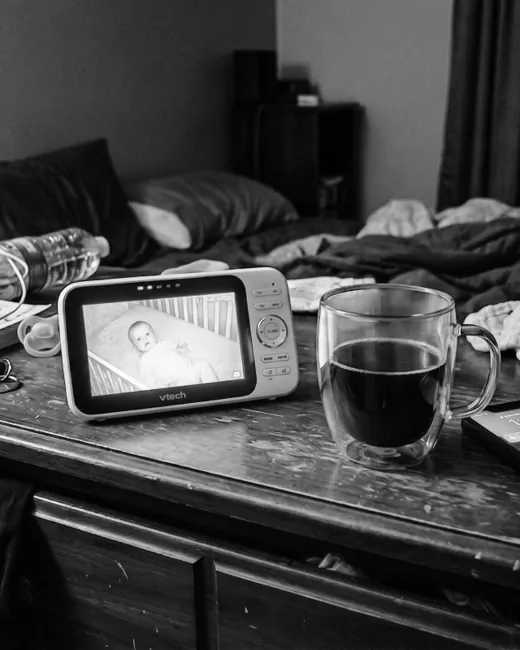
The nice-to-haves that veteran parents most often endorse: a bouncer or portable baby seat with a strap (for showering while baby is safely parked in view), a play mat for tummy time, a video monitor if baby will sleep out of earshot, and a couple of pacifiers in different shapes. The frequently regretted: wipe warmers, bottle sterilizers (a pot of boiling water or dishwasher does it), newborn shoes, and elaborate mobiles that end up removed for sleep anyway.
How to Build the Registry Itself
A few mechanics make the registry work better as a gift list, which is what it actually is.
- Spread the price range. Include plenty of items under twenty-five dollars; most gift-givers are shopping in that zone.
- Enable group gifting for the stroller, car seat, and glider so several people can chip in.
- Use a completion discount. Most registries give 10 to 15 percent off whatever is left near the due date; park your maybe items there and decide later.
- Register early, prune at 30 weeks. A quick edit pass after you have read a list like this one removes the impulse adds.
- Add consumables without embarrassment. Diapers, wipes, and detergent are the gifts you will still be grateful for in month four.
For the full checklist version of this list organized as a printable, see our baby registry checklist.
A Word on Safety Standards
A few purchases deserve a standards check rather than a reviews check.
- Cribs, bassinets, and play yards: confirm they meet current CPSC rules. Drop-side cribs and many older hand-me-downs do not.
- Car seats: never expired, never in a crash, never of unknown history. Check the printed expiration date on the shell.
- Inclined sleepers and crib bumpers are banned from sale in the US; do not accept them secondhand either.
- Sleep products making sleep-position or breathing claims deserve extra skepticism. Bare, flat, firm, and on the back is the whole recipe.
When in doubt about any inherited or secondhand item, search the CPSC recall database before using it.
Frequently Asked Questions
What are the true must haves for a baby registry?
The non-negotiables are a safe sleep space (crib, bassinet, or play yard with a firm flat mattress and fitted sheets), an infant car seat, a feeding setup matched to your plan with a bottle fallback, diapers and wipes in two sizes, a week’s worth of basic clothing in two sizes, and a small health kit with a rectal thermometer.
How many bottles and diapers should I register for?
Register 4 to 6 bottles in one or two brands rather than a large set of one, since babies often reject a brand. For diapers, expect 8 to 12 changes a day early on, and register boxes in both newborn and size 1, because many babies outgrow newborn size within a few weeks.
What should you not put on a baby registry?
Skip crib bumpers, loose blankets, pillows, and soft bedding, all of which conflict with safe sleep guidance, plus inclined sleepers, which are banned. Commonly regretted items include wipe warmers, bottle sterilizers, newborn shoes, and large quantities of newborn-size clothing.
When should I create my baby registry?
Most parents create the registry early in the second trimester and share it around 28 to 32 weeks. Do a pruning pass around 30 weeks, then use the registry’s completion discount near your due date to buy remaining essentials at 10 to 15 percent off.
Is it OK to register for a used or hand-me-down car seat?
Only accept a used car seat from someone you fully trust, with a known history of zero crashes, all parts and labels intact, and an unexpired date printed on the seat. If any of that is uncertain, buy new. Every new seat sold in the US meets the same federal crash standards regardless of price.
The registry gets you gear. Betteroo gets you sleep.
A step-by-step newborn sleep plan, built around your baby and your life, ready before the due date. It takes about two minutes.
4 Sources
- American Academy of Pediatrics, HealthyChildren.org: A Parent’s Guide to Safe Sleep
https://www.healthychildren.org/English/ages-stages/baby/sleep/Pages/a-parents-guide-to-safe-sleep.aspx - American Academy of Pediatrics, HealthyChildren.org: Car Seats: Information for Families
https://www.healthychildren.org/English/safety-prevention/on-the-go/Pages/Car-Safety-Seats-Information-for-Families.aspx - US Consumer Product Safety Commission: Cribs
https://www.cpsc.gov/SafeSleep - American Academy of Pediatrics, HealthyChildren.org: Amount and Schedule of Formula Feedings
https://www.healthychildren.org/English/ages-stages/baby/formula-feeding/Pages/amount-and-schedule-of-formula-feedings.aspx