
Home
»
Feeding
»
How to Wean Off Pumping Without Clogs or Discomfort

How to Wean Off Pumping Without Clogs or Discomfort

Updated

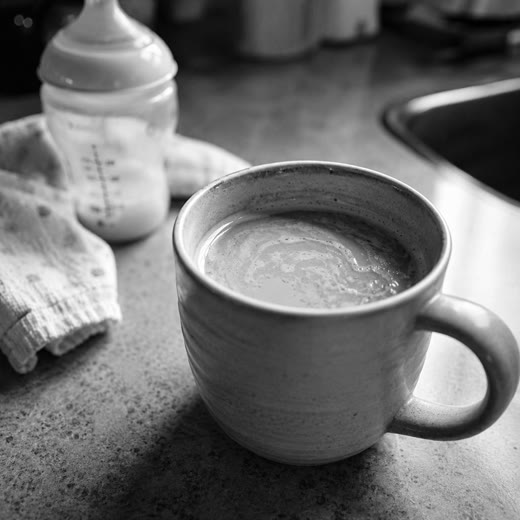
Breast pump parts and bottles of milk arranged on a clean kitchen counter
Rachel Rothman, Co-Founder and Chief Parenting Officer at Betteroo

Written By

Rachel Rothman

Chief Parenting Officer

Dr. Meidad Greenberg, Board-Certified Pediatrician and Pediatric Medical Advisor at Betteroo

Medically Reviewed By

Meidad Greenberg, M.D.

Board-Certified Pediatrician

The comfortable way to wean off pumping is to do it slowly: drop one session every few days and gradually shorten the rest, rather than stopping all at once. A gradual taper lets your supply wind down on its own and sharply lowers the risk of clogged ducts, engorgement, and mastitis.

Whether you are exclusively pumping, returning from parental leave, or simply ready to be done, stopping the pump is a real transition for both your schedule and your body. Quit too fast and you can end up painfully engorged or with a clogged duct. Taper thoughtfully and most people wean with little more than mild fullness for a week or two.

This guide gives you two practical methods for dropping sessions, a way to shrink the pumping you keep, the comfort measures that prevent problems, a realistic timeline, and the warning signs that mean you should slow down or call your doctor.

Key Takeaways

  • Wean gradually: drop one pumping session every 2 to 4 days rather than stopping abruptly.
  • Between drops, slowly shorten the remaining sessions and pump to comfort, not fully empty.
  • Fullness, not emptiness, is the signal your body uses to make less milk over time.
  • Prevent clogs and mastitis with gentle comfort measures, and never let a breast stay painfully engorged.
  • Most people fully wean in about 2 to 4 weeks, though it varies with how many sessions you start from.

Two Ways to Drop Sessions

The core of weaning is reducing how often you pump. Two approaches work, and you can combine them:

  • Drop a session: remove one pumping session every 2 to 4 days. Start with the session that yields the least milk or fits your day worst. Wait until any fullness settles before dropping the next one.
  • Stretch the intervals: slowly push the time between sessions longer, for example from every 3 hours to every 4, then every 5, until a session naturally falls away.

If you pump many times a day, expect the early drops to be easy and the last one or two morning sessions, when supply is highest, to take the longest. There is no prize for rushing. Let your comfort set the pace.

Shrinking the Sessions You Keep

Between drops, you also want to take less milk at each remaining session so your body gets the message to make less. Rather than pumping until empty, pump only until you feel comfortable, then stop. Over several days, shave a couple of minutes off each session.

  • Reduce pump time gradually, for example from 20 minutes down to 15, then 10.
  • Lower the suction a little if your pump allows it.
  • Pump to relieve fullness, not to drain fully; leaving some milk signals your body to downshift.
  • If you were power pumping to build supply, stop those clusters first. See our guide to power pumping for context on how supply responds.

Weaning shaking up sleep too?

Feeding changes often ripple into naps and nights. A short, personalized plan can help your baby adjust smoothly.

Take the Free Sleep Quiz

Staying Comfortable and Avoiding Clogs

The whole point of a slow taper is to prevent painful complications. Engorgement, clogged ducts, and mastitis all come from milk backing up faster than your body is scaling down. A few simple measures keep you comfortable:

  • If a breast feels uncomfortably full between sessions, hand express or pump just enough to relieve the pressure, then stop.
  • Use a cool compress or chilled cabbage leaves after sessions to ease swelling; some people find brief warmth before expressing helps milk release.
  • Gently massage any firm or tender spot toward the nipple to keep milk moving.
  • Wear a supportive but not tight bra, and avoid pressure lines from underwire or tight straps.
  • Stay hydrated and rest when you can; being run down makes mastitis more likely.

A clogged duct feels like a tender lump; mastitis adds redness, warmth, and often flu-like symptoms with fever. If you feel a clog starting, do not power through by emptying aggressively, which can backfire, but do keep milk gently moving and slow your weaning pace.

How Long Weaning Takes

For most people, fully weaning off the pump takes about 2 to 4 weeks, depending on how many sessions you began with and how quickly your body adjusts. Someone dropping from two sessions a day may finish in a week or two, while a full exclusive-pumping schedule of six to eight sessions takes longer.

Your supply does not switch off on the last day you pump. You may feel some fullness or express a few drops for days or even weeks afterward, which is normal. If you are moving your baby onto formula or cow’s milk during this transition, our guides to feeding schedules and safe storage can help you plan.

Related Betteroo Guides

When to Call Your Doctor or a Lactation Consultant

  • You develop a red, warm, painful area on the breast along with fever or flu-like symptoms, which can signal mastitis.
  • A clogged duct does not improve within a day or two of gentle care.
  • You feel a lump that does not soften after milk moves through, especially if it persists after weaning.
  • You want to wean quickly for a medical reason or a medication and need a safe, faster plan.
  • You feel unusually low, anxious, or tearful during weaning, since hormone shifts can affect mood.

A lactation consultant can tailor a weaning schedule to your body, and your doctor can treat mastitis promptly. Do not wait out a fever with breast pain.

Frequently Asked Questions

How do I wean off pumping without getting clogged ducts?

Wean gradually. Drop one pumping session every 2 to 4 days and slowly shorten the sessions you keep, pumping only to comfort rather than fully empty. Relieve any painful fullness with brief hand expression, use cool compresses, and gently massage firm spots. This slow taper is what prevents clogs and mastitis.

How long does it take to wean off pumping?

Most people fully wean in about 2 to 4 weeks. It depends on how many sessions you start from: dropping from two daily sessions may take a week or two, while a full exclusive-pumping schedule takes longer. Some fullness or leaking can continue for days to weeks after your last session.

Should I pump to empty while weaning?

No. During weaning you want to pump only until you feel comfortable, not until empty. Leaving some milk in the breast signals your body to make less over time. Fully emptying tells your body to keep producing, which works against weaning.

Can I just stop pumping cold turkey?

Stopping abruptly is not recommended because it often causes painful engorgement and raises the risk of clogged ducts and mastitis. If you must stop quickly for a medical reason, ask your doctor or a lactation consultant for a safe rapid-weaning plan and comfort measures.

Why do I still leak after I stopped pumping?

Residual milk production is normal. Your supply winds down gradually, so you may feel fullness or express a few drops for days or even weeks after your last session. If you notice a persistent lump, redness, or fever, contact your doctor.

Feeding transition upending sleep?

Get a gentle, personalized plan to help your baby settle as your pumping routine winds down.

Take the Free Sleep Quiz

3 Sources
  1. American Academy of Pediatrics, HealthyChildren.org. Weaning Your Baby.
    https://www.healthychildren.org/English/ages-stages/baby/breastfeeding/Pages/Weaning-Your-Baby.aspx
  2. Nemours KidsHealth. Breastfeeding FAQs: Some Common Concerns.
    https://kidshealth.org/en/parents/breastfeed-concerns.html
  3. Centers for Disease Control and Prevention. Breastfeeding.
    https://www.cdc.gov/breastfeeding/index.html