
To put a baby to sleep fast, catch the right sleep window before your baby becomes overtired, then use a short, calming, consistent routine (dim lights, feed, swaddle for young infants, white noise) and lay your baby down drowsy but awake, on their back, in a bare crib.
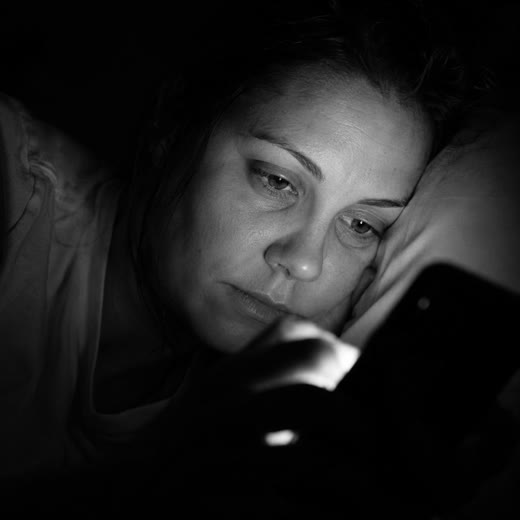
It is close to bedtime, your arms are tired, and your baby is fighting sleep with everything they have. You have probably typed “how to put a baby to sleep fast” into your phone at 2 a.m. more than once. The honest truth is that speed comes less from a single magic trick and more from timing and consistency, and the good news is that both are things you can learn and repeat.
In this guide you will find the techniques that pediatric sleep experts and sleep-medicine bodies actually support, plus an honest take on the viral “40 seconds” tissue trick that keeps showing up in your feed. You will learn how to read your baby’s sleep window, build a wind-down routine that signals sleep in minutes, and soothe a fussy baby without creating habits you will have to undo later. Everything here keeps safe sleep front and center.
Key Takeaways
- The single biggest lever is timing: put your baby down at the first tired cues, before they cross into overtired territory.
- A short, predictable pre-sleep routine (5 to 15 minutes) helps a baby fall asleep faster than a long, stimulating one.
- A dark room, white noise, and a cool, comfortable temperature quiet the senses and speed the drift into sleep.
- Gentle soothing (swaddle, shushing, rhythmic rocking, a pacifier) can calm a baby in minutes, but always place your baby down on their back to sleep.
- The viral tissue trick can soothe some babies, but it is a light distraction, not a guaranteed switch, and it never replaces good timing.
Table of Contents
Catch the Right Sleep Window (the Biggest Lever)
If you want to know how to put a baby to sleep fast, start here, because timing beats every other technique. Babies fall asleep quickly when they are pleasantly tired, and they fight sleep hard once they are overtired. When a baby stays awake too long, their body releases stress hormones like cortisol and adrenaline that make it harder to settle, so the window you are aiming for is that short stretch between “content and alert” and “cranky and wired.”
Watch for early tired cues rather than waiting for full-blown crying. The classic signs include a first yawn, red or heavy eyelids, staring off into the distance, slowing down, pulling at ears, or turning away from toys and faces. When you see two or three of these, it is go time. Waiting even ten or fifteen minutes past this point can turn a five-minute settle into a forty-five-minute battle.
Age-appropriate wake windows help you predict the moment before the cues even appear. A wake window is the amount of awake time a baby can comfortably handle between sleeps. Younger babies need to go down again surprisingly quickly, while older babies can stretch longer. Use these as a starting point and adjust to your own baby, since every child runs a little different.
| Age | Typical wake window | What it feels like |
|---|---|---|
| Newborn (0 to 6 weeks) | 45 to 60 minutes | Very short; feed, brief awake time, then back to sleep |
| 2 to 3 months | 60 to 90 minutes | A feed plus a little play, then wind down |
| 4 to 6 months | 2 to 2.5 hours | Longer play, clearer nap rhythm forming |
| 7 to 10 months | 2.5 to 3.5 hours | Usually two naps, more predictable timing |
| 11 to 14 months | 3 to 4 hours | Often moving toward one nap |
Build a Short, Calming Pre-Sleep Routine
A consistent routine is a shortcut for your baby’s brain. When the same few steps happen in the same order every time, your baby learns that sleep is coming and their body begins to relax before they are even in the crib. The goal is short and soothing, not long and elaborate. Five to fifteen minutes is plenty, and a routine that drags on can actually wake a tired baby back up.
Keep the last stretch before sleep low and slow. Dim the lights, lower your voice, and move gently. Bright screens, tickling, and lively play all send the opposite signal, so save those for earlier in the wake window. A predictable order matters more than the exact steps, so pick a simple sequence and repeat it night after night.
- Dim the lights and lower the noise about 10 to 15 minutes before sleep.
- Offer a feed (breast or bottle), keeping the room calm and quiet.
- For young infants, swaddle snugly to reduce the startle reflex. See how to swaddle a baby safely.
- Read one short board book or sing the same quiet song each time.
- Turn on white noise, then lay your baby down drowsy but awake, on their back.
That last step, drowsy but awake, is worth practicing. It teaches your baby to make the final drift into sleep in their own crib rather than only in your arms. It can feel slower at first, but over a week or two it usually makes bedtime faster and reduces those exhausting middle-of-the-night rescues. If you want a structured, comforting approach to this skill, our guide to gentle sleep training walks you through it step by step.
Set the Sleep Environment
Where your baby sleeps has a real effect on how fast they fall asleep. Babies settle more quickly when their senses have less to process, so a dark, cool, softly humming room does a lot of quiet work for you. Think of the environment as a set of standing cues that reinforce your routine every single night.
- Darkness: use blackout curtains, especially for daytime naps, since darkness supports the body’s natural sleep signals.
- White noise: a steady, low sound (around 50 decibels, about the level of a soft shower) masks household noise and mimics the whoosh of the womb.
- Temperature: keep the room comfortably cool, roughly 68 to 72 degrees Fahrenheit, and dress your baby in one light layer more than you would wear.
- Calm and boring: a plain sleep space with nothing to look at helps a wound-up baby power down.
One caution on white noise machines: place them across the room, not right next to the crib, and keep the volume moderate to protect your baby’s hearing. A machine that runs all night is fine, but it should be a gentle background, not a roar.
Use Gentle Soothing Tools When Your Baby Fights Sleep
Sometimes your timing is right and the room is perfect, but your baby is still worked up. This is where hands-on soothing helps. Many parents use a version of the widely known five S’s approach developed by pediatrician Dr. Harvey Karp, which stacks several calming signals that echo life in the womb. Layer them until your baby settles, then move to safe sleep.
- Swaddle: a snug wrap for young infants calms the startle reflex (stop swaddling once your baby shows signs of rolling).
- Side or stomach to soothe IN YOUR ARMS ONLY: holding your baby on their side or tummy can calm them, but always lay them down to sleep on their back.
- Shush: a steady “shhh” near the ear, or white noise, is deeply reassuring.
- Swing: small, gentle, rhythmic motion like rocking or swaying (never shaking) helps release tension.
- Suck: offering a pacifier or letting your baby suck can be powerfully calming and is linked to a lower risk of SIDS at sleep times.
For babies who go long stretches hungry in the early evening, a dream feed can buy everyone a longer first block of sleep. This is a gentle top-up feed you offer while your baby is still drowsy, usually before your own bedtime, without fully waking them. It will not work for every baby, but for some it stretches that first stretch of night sleep. Learn the timing in our dream feed guide.
Tired of guessing what your baby needs?
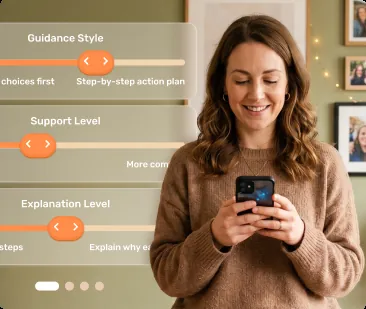
Betteroo builds a personalized, gentle sleep plan around your baby’s age and cues so bedtime gets faster and calmer.
The Viral “40 Seconds” Tissue Trick: An Honest Take
You have almost certainly seen the clip: a parent lightly strokes a tissue or soft cloth downward over a baby’s forehead and face, and within seconds the baby’s eyes flutter closed. So how do you put a baby to sleep in 40 seconds? The trick works for some babies because a light, repetitive touch drawn gently down over the eyes and forehead can trigger a natural blink-and-close reflex and provide soothing, monotonous sensory input, a bit like the calm you feel when someone lightly strokes your hair.
Here is the honest part. It is a soothing distraction, not a magic switch. It tends to work best on an already tired baby whose sleep window you have caught, which means the real hero is still your timing. If you want to try it, use a clean, dry tissue or a soft cloth, keep your strokes light and slow, and always keep the tissue in your hand and well away from your baby’s nose and mouth so there is no loose material near the face. Never leave any tissue, cloth, or fabric in the crib.
- Best case: a gentle extra tool that nudges a drowsy baby over the edge into sleep.
- Realistic case: it soothes some babies and does nothing for others, and that is completely normal.
- Safety: keep the cloth in your hand, away from the airway, and out of the crib once your baby is down.
What Not to Do (and Why Your Baby Won’t Settle)
If you are wondering why will my baby not fall asleep, the answer is usually one of a handful of fixable things rather than anything you are doing wrong as a parent. The most common culprits are an overtired late start, too much stimulation right before bed, hunger or discomfort, or a routine that changes from night to night so your baby cannot predict what comes next.
- Screens before bed: the light and stimulation delay sleep. Turn off phones, tablets, and TV well before wind-down.
- Starting too late: pushing bedtime past the sleep window makes settling harder, not easier.
- Overstimulating wind-down: loud toys, tickling, or a busy room right before sleep works against you.
- Inconsistency: a routine that changes nightly gives your baby no signal that sleep is coming.
- Missing a real need: check for hunger, a wet diaper, gas, teething, or a too-warm room before assuming stubbornness.
So what is the fastest way to get a baby to sleep? Put simply, it is to combine great timing with a short, calm, repeatable routine in a dark and quiet room, adding gentle soothing only as needed. Do that consistently and most babies begin settling faster within a week or two. If your baby regularly fights sleep for a long time, wakes constantly, or seems in pain, it is worth a conversation with your pediatrician.
When to Talk to Your Pediatrician
- Your baby consistently takes a very long time to settle despite good timing and a calm routine.
- Your baby snores loudly, gasps, pauses in breathing, or breathes noisily during sleep.
- Sleep problems appear alongside poor weight gain, frequent vomiting, or signs of reflux or pain.
- Your newborn is extremely difficult to wake for feeds, or you cannot tell hunger cues from tired cues.
- You feel overwhelmed, anxious, or exhausted to the point that it is affecting your wellbeing.
Every baby is different, and this guide is general information rather than medical advice. Your pediatrician knows your child’s history and can rule out any medical reason behind hard nights. Never hesitate to reach out; asking for help early is one of the most caring things you can do for both your baby and yourself.
Frequently Asked Questions
How do you put a baby to sleep in 40 seconds?
There is no guaranteed 40-second method, but the viral tissue trick (lightly stroking a soft tissue or cloth downward over an already drowsy baby’s forehead and face) soothes some babies quickly by triggering a natural eye-closing reflex. It works best when you have already caught your baby’s sleep window, and you should always keep the tissue in your hand and away from the airway, never in the crib.
What is the fastest way to get a baby to sleep?
Combine good timing with consistency. Put your baby down at the first tired cues, before they become overtired, then run a short, calming routine (dim lights, feed, swaddle for young infants, white noise) in a dark, cool room and lay your baby down drowsy but awake on their back. This combination settles most babies faster than any single trick.
Why will my baby not fall asleep?
The most common reasons are being overtired from a bedtime that came too late, overstimulation before sleep, an unmet need like hunger or discomfort, or an inconsistent routine. Try moving to earlier tired cues, calming the wind-down, and repeating the same steps every night. Persistent trouble sleeping is worth discussing with your pediatrician.
Is it okay to rock my baby to sleep?
Yes, rocking is a gentle, loving way to soothe a baby, and small rhythmic motion can calm a fussy baby in minutes. If you would like your baby to learn to fall asleep more independently, try rocking until drowsy and then laying them down awake so they finish the drift into sleep in their crib. Always transfer your baby onto their back to sleep.
Should I let my baby cry to fall asleep faster?
You do not have to. Many families settle babies faster with gentle, responsive methods that focus on timing, routine, and soothing rather than crying. If you are exploring sleep-training approaches, our guide to gentle sleep training covers low-cry options that many parents find effective and comfortable.
Faster, calmer bedtimes start with a plan built for your baby.
Betteroo turns your baby’s age, cues, and routine into a simple, gentle sleep plan so you can stop guessing and get more rest.
5 Sources
-
American Academy of Pediatrics (HealthyChildren.org), How to Keep Your Sleeping Baby Safe: AAP Policy Explained
https://www.healthychildren.org/English/ages-stages/baby/sleep/Pages/a-parents-guide-to-safe-sleep.aspx -
American Academy of Pediatrics, Safe Sleep
https://www.aap.org/en/patient-care/safe-sleep/ -
American Academy of Sleep Medicine, Child Sleep Duration Health Advisory
https://aasm.org/advocacy/position-statements/child-sleep-duration-health-advisory/ -
HealthyChildren.org (AAP), Healthy Sleep Habits: How Many Hours Does Your Child Need?
https://www.healthychildren.org/English/healthy-living/sleep/Pages/healthy-sleep-habits-how-many-hours-does-your-child-need.aspx -
Centers for Disease Control and Prevention, About Sleep
https://www.cdc.gov/sleep/about/index.html