
A smart baby registry covers the true essentials across feeding, sleep, diapering, clothing, travel, and health, without the pricey extras marketing tells you to buy. Focus on what you will use in the first six months.
Walk into any baby store or open a registry app and the sheer number of products is overwhelming. It is easy to end up with a registry full of gadgets you never touch and short on the basics you reach for at 3 a.m. The reality is that newborns need surprisingly little: a safe place to sleep, a way to eat, clothes, diapers, and a handful of care items. Almost everything else is optional or can wait.
This checklist walks through the genuine essentials by category, tells you roughly how many of each to register for, and flags the popular items you can safely skip or borrow. Use it as a starting point and adjust to your home, budget, and feeding plans.
Key Takeaways
- Prioritize safe sleep, feeding, diapering, clothing, travel, and basic health items.
- A car seat that fits your vehicle and a safe crib or bassinet are the true non-negotiables.
- Register for a range of clothing sizes, since newborns grow out of the smallest fast.
- Skip or borrow big-ticket extras like wipe warmers, shoes for newborns, and many single-use gadgets.
- Add a mix of price points so guests can choose gifts that fit their budget.
Table of Contents
Feeding Essentials
What you register for here depends on whether you plan to breastfeed, formula feed, or both. Cover your bases without over-buying, since you will learn your baby’s preferences quickly.
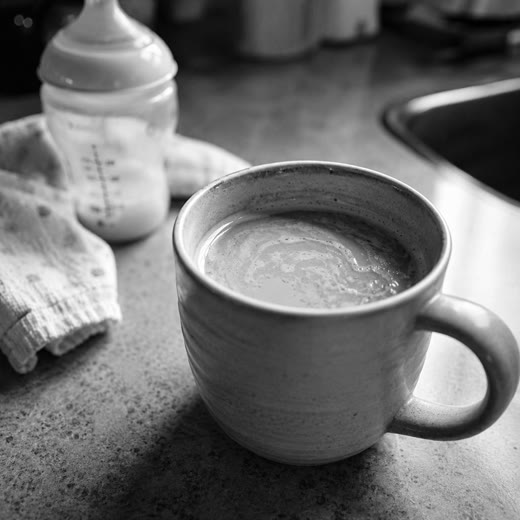
- Bottles (start with a few, not a full set, until you know what your baby likes) and extra nipples.
- If breastfeeding: nursing pillow, nursing bras, breast pads, and a breast pump (often covered by insurance, so check first).
- If pumping or formula feeding: milk storage bags or containers, a bottle brush, and a drying rack.
- Burp cloths (register for plenty) and bibs.
- If formula feeding: formula and a formula dispenser for outings.
Hold off on buying many bottles of one brand. Babies can be picky, and it is cheaper to test a couple than to replace a whole set.
Safe Sleep Essentials
Sleep gear is where safety matters most, so keep it simple. A bare, firm sleep surface is both the safest and the least expensive approach.
- A crib or bassinet that meets current safety standards, with a firm, flat mattress.
- Fitted sheets for the mattress (a few, for changes and blowouts).
- Wearable blankets or sleep sacks instead of loose blankets.
- Swaddles for the newborn weeks, stopped once your baby shows signs of rolling.
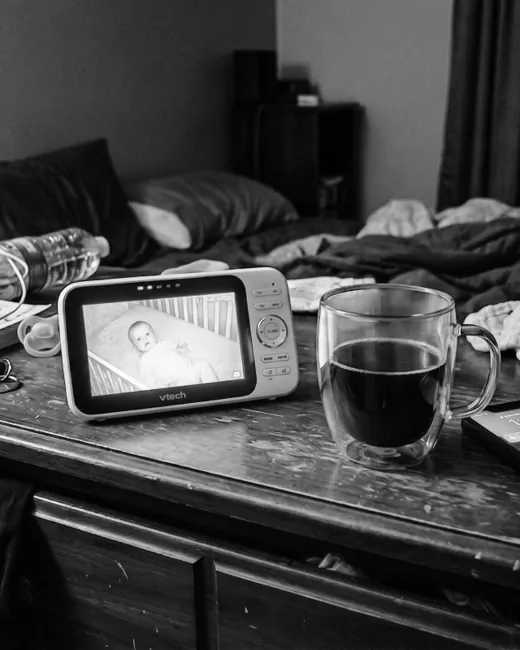
- A baby monitor if your setup calls for one.
Follow safe sleep guidance: babies sleep on their back, on a firm flat surface, with nothing else in the sleep space. Skip crib bumpers, pillows, and loose blankets entirely. See our guides to the best swaddles and when to stop swaddling.
Diapering and Bath
You will do this many times a day, so set up a functional station and stock up on the basics.
- Diapers in newborn and size 1 (do not overstock newborn size; babies grow fast).
- Wipes and a changing pad with waterproof covers.
- Diaper cream and a diaper pail or bag system.
- A few soft hooded towels and washcloths.
- Baby wash and a baby bathtub or supportive bath insert.
Register for a mix of diaper sizes rather than a mountain of the smallest. Many babies are only in newborn size for a few weeks, and some skip it entirely.
Clothing and Travel
Newborn clothing should be easy on, easy off, and easy to wash. For travel, a properly fitting car seat is the single most important item on your whole registry.
| Category | Register for | Note |
|---|---|---|
| Bodysuits and onesies | Several in 0 to 3 and 3 to 6 months | Sizes up quickly |
| Sleepers and footed pajamas | A handful with easy zippers | Middle-of-night friendly |
| Car seat | One that fits your car | Non-negotiable; check install |
| Stroller | One that suits your lifestyle | Travel systems pair with car seats |
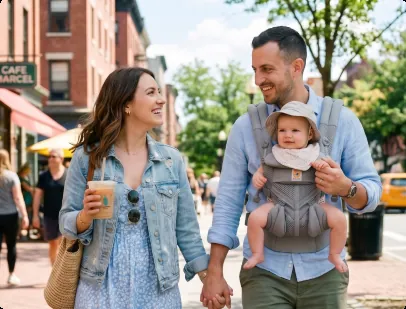
| Carrier or wrap | One ergonomic option | Great for soothing and hands-free |
Do not over-buy the tiniest clothes. Register for a range of sizes so your baby has something to wear as they grow through the first several months.
Health, Safety, and Nice-to-Haves
A small kit of health items covers the common early needs, and a few comfort extras genuinely earn their place.
- Digital thermometer, nasal aspirator, baby nail clippers, and infant gas relief basics.
- Baby-safe first aid items and any pediatrician-recommended supplies.
- A pacifier or two if you choose to use them.
- Comfort helpers many parents love: a white noise machine and an extra set of pump parts or bottles.
- A diaper bag that works for your outings.
These are the extras worth having. Beyond them, resist the urge to register for every gadget; you can always add items after your baby arrives and you see what your days actually look like.
Setting up for better sleep from day one?
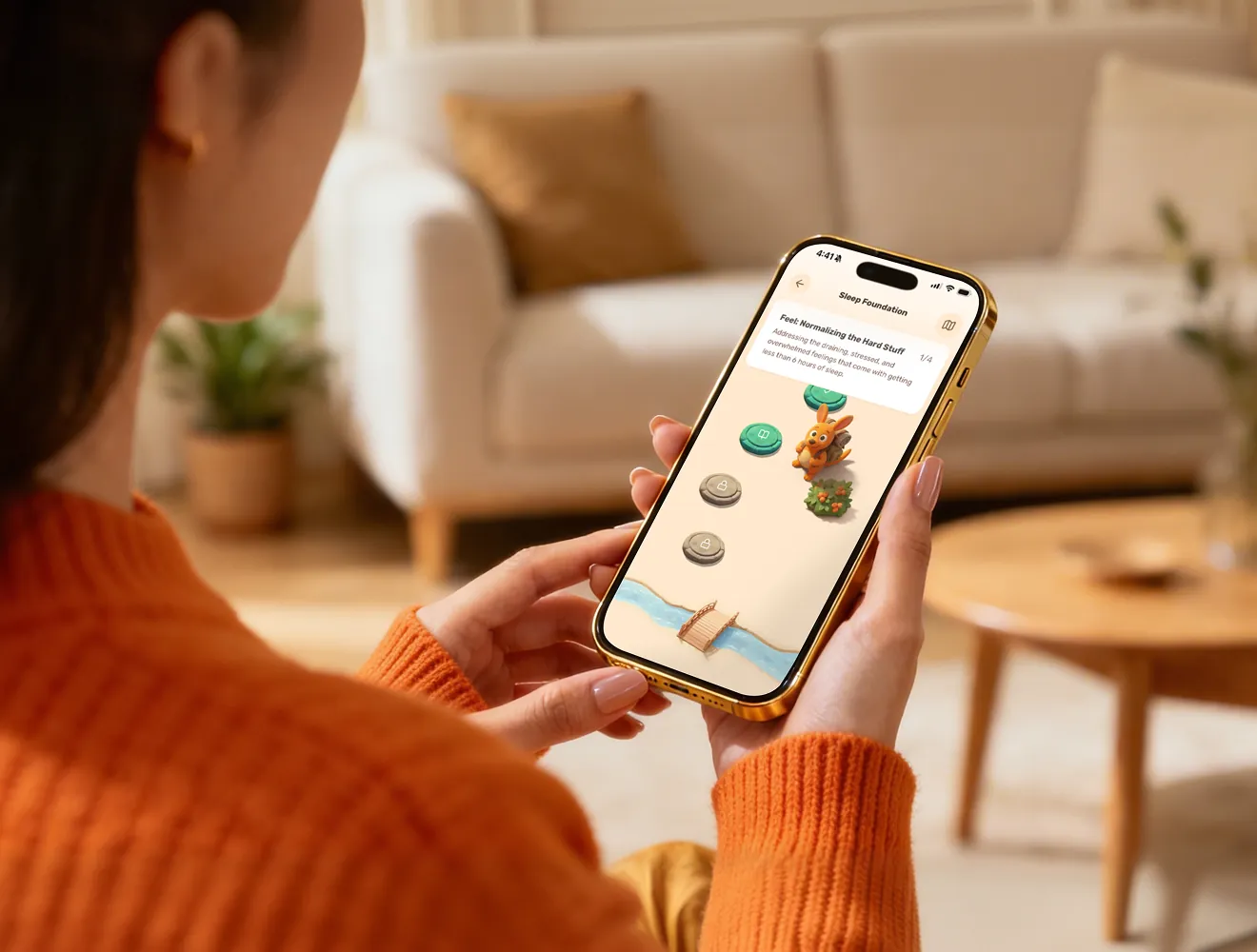
Betteroo helps new parents build restful habits early. Take the free quiz for a plan tailored to your baby.
What You Can Skip or Borrow
Plenty of popular registry items go unused. Skipping these saves money and clutter, and some are easy to borrow or buy later only if you need them.
- Wipe warmers and bottle warmers (usually unnecessary).
- Newborn shoes (babies do not need them).
- A full set of one bottle brand before you know your baby’s preference.
- Special crib bedding sets, bumpers, and pillows (unsafe for sleep).
- Too many newborn-size clothes and too many toys for the early months.
- Single-use gadgets you are unsure about; wait and see if you actually need them.
A leaner registry is a feature, not a failing. The parents who feel most prepared usually own the essentials well, not the most stuff.
A Few Safety Reminders
- Choose a car seat that fits your vehicle and have your install checked; it is the most important item you register for.
- Follow safe sleep rules: back sleeping, firm flat surface, and nothing loose in the sleep space.
- Skip crib bumpers, pillows, and weighted sleep products, which are not considered safe for infant sleep.
- Check that secondhand gear, especially car seats and cribs, meets current safety standards and is not recalled.
- When in doubt about a product’s safety, ask your pediatrician.
The essentials are essential because they keep your baby safe and fed. Everything else is convenience. Prioritize the safety items, and let the extras be genuinely optional.
Frequently Asked Questions
What do I really need on my baby registry?
Focus on the essentials: a safe crib or bassinet, a car seat that fits your car, feeding supplies suited to your plan, diapers and wipes, a range of clothing sizes, and basic health items. Most other products are optional or can wait until after your baby arrives.
How many bottles should I register for?
Start with just a few bottles and extra nipples rather than a full set, until you know which your baby likes. If you plan to primarily formula feed or bottle feed, you can build up to around six to eight once you know your baby’s preference.
What baby items can I skip?
Common skippable items include wipe warmers, bottle warmers, newborn shoes, crib bumpers and bedding sets, and an excess of newborn-size clothing and toys. Many big-ticket extras can be borrowed or bought later only if you find you need them.
How many clothes does a newborn need?
Register for a spread of sizes rather than a pile of the smallest, since newborns grow out of 0 to 3 month clothes fast. A handful of bodysuits and easy-zip sleepers in 0 to 3 and 3 to 6 months covers the early months well.
What is the most important item on a baby registry?
A properly fitting, correctly installed car seat is the single most important item, because it is required to bring your baby home safely. A safe sleep space with a firm flat mattress is the other true non-negotiable.
When should I create my baby registry?
Many parents set up a registry in the second trimester, around 20 to 24 weeks, which leaves time for showers and for shipping. You can keep editing it as you learn more, and add practical items after the baby arrives.
Prepared nursery, restful nights.
Betteroo helps you turn the essentials into healthy sleep habits from the start. Take the free quiz to begin.
3 Sources
-
American Academy of Pediatrics, HealthyChildren.org. Baby Gear and Safe Sleep.
https://www.healthychildren.org/English/ages-stages/baby/sleep/Pages/A-Parents-Guide-to-Safe-Sleep.aspx -
U.S. Consumer Product Safety Commission. Cribs and Infant Products Safety.
https://www.cpsc.gov/SafeSleep -
National Highway Traffic Safety Administration. Car Seats and Booster Seats.
https://www.nhtsa.gov/equipment/car-seats-and-booster-seats