
Home
»
Development
»
Toddler Activities: Play Ideas by Age From 12 to 36 Months

Toddler Activities: Play Ideas by Age From 12 to 36 Months

Updated

Toddler happily stacking colorful wooden blocks on the floor with a parent nearby
Rachel Rothman, Co-Founder and Chief Parenting Officer at Betteroo

Written By

Rachel Rothman

Chief Parenting Officer

Dr. Meidad Greenberg, Board-Certified Pediatrician and Pediatric Medical Advisor at Betteroo

Medically Reviewed By

Meidad Greenberg, M.D.

Board-Certified Pediatrician

The best toddler activities are simple, hands-on, and use everyday objects: stacking, sorting, pouring, scribbling, and moving. You do not need fancy toys, just safe materials and a few minutes of your attention.

Toddlers learn through play, not worksheets. Every time your child stacks blocks, pours water between cups, or scribbles with a crayon, they are building the motor control, language, and problem-solving skills that will carry them into preschool and beyond. The pressure to buy educational toys or plan elaborate crafts is mostly marketing. What toddlers really need is safe materials, open-ended play, and a caregiver who joins in sometimes.

This guide offers screen-free toddler activity ideas organized by age, from 12 to 36 months, along with indoor and outdoor options, plus simple ways to weave learning into ordinary days.

Key Takeaways

  • Toddlers learn through hands-on, open-ended play with simple, everyday materials.
  • Match activities to your toddler’s stage: younger toddlers explore and imitate, older ones pretend and create.
  • Motor play, language play, and sensory play each build different skills; rotate among them.
  • You do not need expensive toys; kitchen items, boxes, and household objects work beautifully.
  • Joining in and narrating play boosts language and connection more than any product.

Activities for 12 to 18 Months

At this age toddlers are newly mobile and driven to explore, drop, fill, and empty. They love cause and effect and simple imitation. Keep activities short and expect lots of repetition.

  • Stacking cups or soft blocks and knocking them down.
  • A ‘treasure basket’ of safe household objects to examine and dump.
  • Filling and emptying containers with large pom-poms or blocks.
  • Simple shape sorters and board books with flaps.
  • Rolling a ball back and forth and gentle music with clapping.
  • Cruising and walking practice with a push toy.

Narrate what your toddler is doing as they play. Naming objects and actions (‘you put the block in, now it is empty’) pours vocabulary into these early months, which supports later talking. See our guide to activities for a 1 year old for more.

Activities for 18 to 24 Months

Now pretend play, sorting, and bigger movements take off. Toddlers imitate daily life and enjoy simple problem-solving. Their hands are getting more precise, so add activities that build fine motor control.

  • Sorting objects by color or type into bowls.
  • Pretend play with a toy phone, kitchen, or baby doll.
  • Scribbling with chunky crayons and finger painting.
  • Simple inset puzzles with a few large pieces.
  • Playdough for squishing, rolling, and poking (with supervision).
  • Dancing, marching, and animal-walk movement games.

Fine motor tasks like sorting and scribbling are laying groundwork for self-feeding, dressing, and eventually writing. Keep it playful and drop any activity that frustrates your toddler; readiness varies.

Activities for 24 to 36 Months

Two-year-olds have big imaginations, longer attention, and growing independence. They enjoy multi-step play, early art, and helping with real tasks, which builds confidence and language.

  • Imaginative play: kitchen, doctor, cars and garages, dolls and stuffed animals.
  • Simple crafts like gluing shapes, stickers, and stamping.
  • Building with larger interlocking blocks.
  • Matching and simple counting games with everyday objects.
  • Helping with real chores: wiping, watering plants, sorting laundry by color.
  • Obstacle courses with cushions and simple ride-on toys.

Letting your two-year-old ‘help’ with cooking, cleaning, and errands is one of the richest activities there is. It builds motor skills, vocabulary, and a sense of belonging, even though it takes longer than doing it yourself.

Busy days, tricky bedtimes?

Active toddler days should end in restful nights. Betteroo helps you build a routine that works. Take the free quiz.

Take the Free Sleep Quiz

Indoor Activities for High-Energy Days

When you are stuck inside, toddlers still need to move and explore. A few reliable, low-prep indoor activities can turn a long day around.

  • Indoor obstacle course with pillows, tunnels, and ‘the floor is lava’.
  • A sensory bin of dry oats or pasta with cups and scoops (supervised).
  • Cardboard box play: a car, a house, a boat.
  • Balloon or soft-ball toss and simple hide-and-seek.
  • Bath time as play, with cups and pouring toys.
  • Dance party to favorite songs.

Rotating a small set of toys, keeping some put away and swapping them in, keeps things feeling fresh without buying anything new.

Outdoor and Sensory Play

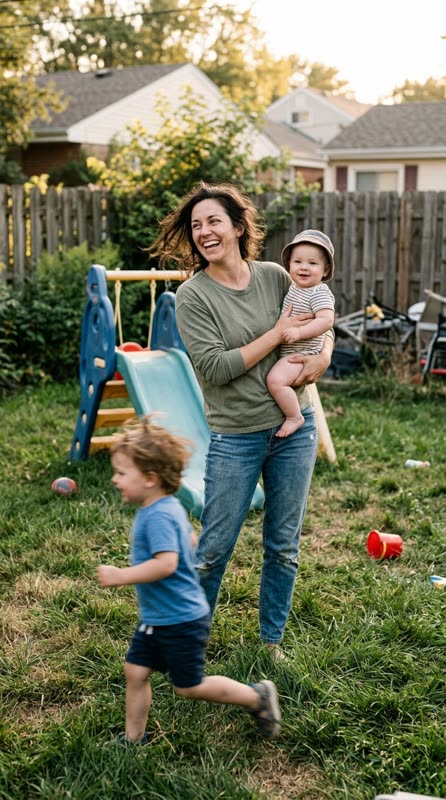
Outdoor time is some of the best toddler play there is. Fresh air, big movement, and natural materials support physical development and often lead to calmer moods and better sleep.

  • Water play with cups, a shallow tray, or a sprinkler in warm weather.
  • Digging, pouring, and building in sand or dirt.
  • Collecting leaves, rocks, and sticks on a slow ‘toddler walk’.
  • Chalk on the sidewalk and bubbles to chase.
  • Climbing and sliding at the playground with supervision.
  • Simple gardening: watering, digging, and planting seeds.

Sensory play, the messy exploration of textures like water, sand, and dough, is genuinely educational. It builds fine motor skills, focus, and early science thinking, so lean into a little mess when you can.

When to Talk to Your Pediatrician

  • Your toddler is not using any words by about 18 months, or not combining two words by about 24 months.
  • Your toddler does not point, show you things, or engage in simple pretend play.
  • Your toddler loses skills, like words or gestures, they used to have.
  • You have concerns about hearing, vision, movement, or social connection.
  • Play seems very limited, repetitive, or your toddler rarely makes eye contact.

Play is also a window into development. If activities that most peers enjoy consistently do not land, or you notice a loss of skills, share it with your pediatrician. Early support, when it is needed, makes a real difference.

Frequently Asked Questions

What are good activities for toddlers?

Simple, open-ended play works best: stacking, sorting, pouring, scribbling, pretend play, and lots of movement. Use everyday objects like cups, boxes, and household items rather than fancy toys, and join in to add language and connection.

What activities are best for a 2 year old?

Two-year-olds enjoy imaginative play (kitchen, dolls, cars), simple crafts with stickers and stamps, larger building blocks, matching games, obstacle courses, and helping with real chores like wiping and watering plants. These build language, motor skills, and independence.

How long should a toddler play activity last?

Keep it short and flexible. Younger toddlers may focus for only a few minutes, while two-year-olds can stretch longer on favorite activities. Follow your child’s interest and stop before frustration; repetition of a beloved activity is normal and valuable.

Do toddlers need educational toys?

No. Open-ended materials like blocks, cups, boxes, crayons, and household objects support learning as well as or better than pricey educational toys. What matters most is safe materials, chances to explore, and a caregiver who plays along.

What are good indoor activities for toddlers?

Try an indoor obstacle course, a supervised sensory bin of dry oats or pasta, cardboard box play, balloon toss, dance parties, and bath play. Rotating a small set of toys keeps indoor days feeling fresh.

How does play help toddler development?

Play builds motor skills, language, problem-solving, and social and emotional skills all at once. Stacking and scribbling develop hand control, pretend play grows imagination and vocabulary, and outdoor play supports big movement and often better sleep.

Full days deserve restful nights.

Betteroo helps active toddlers wind down with a routine built for your family. Take the free quiz to start.

Take the Free Sleep Quiz

3 Sources
  1. American Academy of Pediatrics, HealthyChildren.org. The Power of Play: How Play Helps Children Learn.
    https://www.healthychildren.org/English/ages-stages/toddler/Pages/the-power-of-play.aspx
  2. Centers for Disease Control and Prevention. Learn the Signs. Act Early. Developmental Milestones.
    https://www.cdc.gov/ncbddd/actearly/milestones/index.html
  3. Zero to Three. Playing With Your Toddler.
    https://www.zerotothree.org/resource/playing-with-your-toddler/