
Home
»
Development
»
Can You Take Melatonin While Pregnant? What the Research Says

Can You Take Melatonin While Pregnant? What the Research Says

Updated

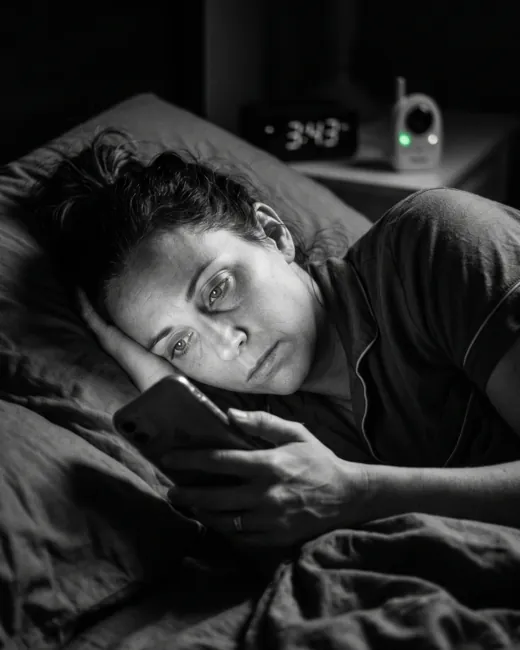
Pregnant woman resting comfortably in bed at night with a soft bedside lamp glowing
Rachel Rothman, Co-Founder and Chief Parenting Officer at Betteroo

Written By

Rachel Rothman

Chief Parenting Officer

Dr. Meidad Greenberg, Board-Certified Pediatrician and Pediatric Medical Advisor at Betteroo

Medically Reviewed By

Meidad Greenberg, M.D.

Board-Certified Pediatrician

There is not enough high-quality research to call melatonin clearly safe during pregnancy, so it is not routinely recommended. If you are pregnant and struggling to sleep, talk to your provider before taking any melatonin.

Pregnancy insomnia is real and exhausting, and melatonin is sold over the counter as a gentle, natural sleep aid, so it is no wonder so many pregnant people wonder whether they can take it. The honest answer is that the science is thin. Melatonin has not been studied enough in pregnancy to be called safe, and it also has not been shown to be clearly harmful. That uncertainty is exactly why caution and a conversation with your provider matter.

This guide covers what melatonin is, what researchers do and do not know about taking it while pregnant, why supplements are hard to trust, and the sleep strategies experts recommend first.

Key Takeaways

  • Melatonin is not routinely recommended in pregnancy because there is not enough safety data in humans.
  • It is a hormone, not just a vitamin, and your body already makes its own during pregnancy.
  • Supplements are not tightly regulated, so actual doses can differ from the label.
  • Always talk to your doctor or midwife before taking melatonin or any supplement while pregnant.
  • Sleep hygiene and treating underlying causes are the recommended first steps for pregnancy insomnia.

What Melatonin Is and Why Pregnancy Complicates It

Melatonin is a hormone your brain releases in the evening to signal that it is time to sleep. The supplement version is a synthetic or animal-derived copy sold to help with sleep timing and jet lag. Because it is a hormone rather than a simple nutrient, adding more from a pill is not as trivial as it sounds.

Pregnancy adds a layer. Your body naturally produces more melatonin as pregnancy progresses, and melatonin crosses the placenta, so a supplement does not just affect you. It also reaches your developing baby. Researchers do not yet fully understand what extra melatonin does to fetal development, which is the core of the caution.

What the Research Actually Shows

Most of what we know about melatonin in pregnancy comes from animal studies and small or specialized human trials, not large, long-term studies of healthy pregnant people using it for sleep. That leaves real gaps.

  • No large human trials have established a safe dose of melatonin supplements for sleep in pregnancy.
  • Some research has looked at melatonin in specific medical situations, such as protecting the fetal brain in certain complications, but that is a controlled clinical context, not general use.
  • Animal studies raise questions about effects on the baby’s body clock and development, though animal results do not always translate to humans.
  • Because melatonin crosses the placenta and influences body rhythms, experts prefer not to assume it is harmless.

The bottom line from major obstetric guidance is that melatonin is not recommended as a routine sleep aid in pregnancy simply because the safety evidence is not there yet. Not proven harmful is not the same as proven safe.1

The Supplement Regulation Problem

Even setting aside the pregnancy question, melatonin has a quality-control issue. In the United States it is sold as a dietary supplement, which means it is not reviewed for safety and effectiveness the way medications are. Independent testing has repeatedly found that the amount of melatonin in a bottle can differ substantially from what the label claims, sometimes by a wide margin, and some products contain other compounds.

For a pregnant person trying to be careful, that unpredictability is a real drawback. You cannot be confident you are taking the dose you think you are, which makes an already under-studied choice even harder to judge.

Safer First Steps for Pregnancy Insomnia

Before reaching for any sleep aid, most providers recommend working on the causes and habits behind pregnancy insomnia. These steps are low risk and genuinely help many people.

  • Keep a consistent sleep and wake time, even on weekends.
  • Use a cool, dark, quiet room and reserve the bed for sleep.
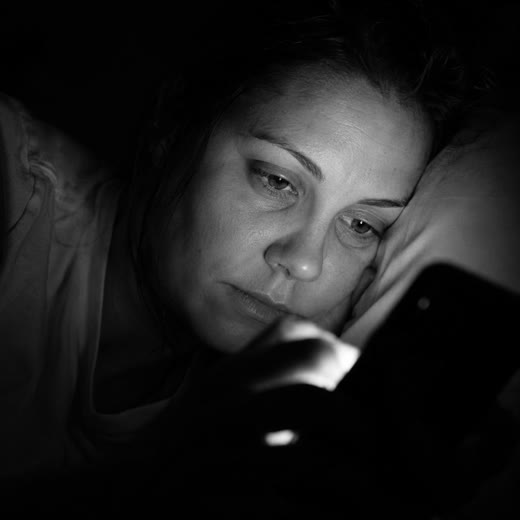
  • Wind down without screens for the hour before bed, and dim the lights to let your own melatonin rise.
  • Try a pregnancy pillow to support your bump, hips, and back, and sleep on your side.
  • Limit fluids in the last couple of hours to reduce nighttime bathroom trips, and avoid caffeine later in the day.
  • Address heartburn, restless legs, and anxiety with your provider, since these commonly drive pregnancy insomnia.

Preparing for sleepless newborn nights?

Rest now sets you up for later. Betteroo helps parents build sleep foundations that work for the whole family.

Take the Free Sleep Quiz

What to Ask Your Provider

If sleep problems are serious and habits are not enough, your doctor or midwife can help you weigh options that have more pregnancy safety data than melatonin, and can screen for conditions like anxiety, depression, or a sleep disorder that may need treatment.

Bring specifics to the conversation: how long it takes you to fall asleep, how often you wake, what wakes you, and how the lack of sleep is affecting your days. That detail helps your provider recommend the safest, most effective plan for your situation rather than a one-size-fits-all answer.

When to Talk to Your Doctor or Midwife

  • You are considering melatonin or any supplement, so you can discuss it before taking anything.
  • Insomnia is frequent, is affecting your mood or daily functioning, or comes with anxiety or low mood.
  • You have symptoms of a sleep disorder such as loud snoring with gasping, or restless, crawling sensations in your legs at night.
  • You have already taken melatonin and want to know whether to continue.

This article is general information, not medical advice, and every pregnancy is different. Your provider knows your history and can give you a recommendation that fits you and your baby. Never start or stop a supplement or medication in pregnancy without checking first.

Frequently Asked Questions

Can you take melatonin while pregnant?

There is not enough high-quality research to call melatonin clearly safe in pregnancy, so it is not routinely recommended. It has not been proven harmful either, but that uncertainty is why experts advise caution. Talk to your doctor or midwife before taking any melatonin while pregnant.

Is melatonin proven to harm the baby?

No, melatonin has not been proven to harm a developing baby, but it also has not been proven safe. Because it is a hormone that crosses the placenta and influences body rhythms, and human safety data is limited, providers prefer not to assume it is harmless.

What can I take for sleep while pregnant?

Start with sleep hygiene and treating causes like heartburn, restless legs, and anxiety, since these are low risk and effective. If you need more help, ask your provider, who can recommend options with more pregnancy safety data than melatonin rather than an over-the-counter supplement.

Why is melatonin dosing unreliable?

In the United States melatonin is sold as a dietary supplement and is not reviewed for safety or accuracy like a medication. Independent testing has found the actual amount in a product can differ a lot from the label, which makes dosing unpredictable.

Does your body make more melatonin during pregnancy?

Yes. Natural melatonin production tends to rise as pregnancy progresses, and it plays a role in the developing baby’s rhythms. This is part of why adding supplemental melatonin is not considered simple or clearly beneficial.

I took melatonin before I knew I was pregnant. Should I worry?

Try not to panic. A short exposure early on is not a known cause of harm, but stop taking it and let your provider know so they can advise you based on your history. Bring the product and dose to the conversation.

Building healthy sleep for your growing family?

From pregnancy to newborn nights, Betteroo helps parents set up sleep that lasts. Take the free quiz.

Take the Free Sleep Quiz

Related Betteroo Guides

3 Sources
  1. American College of Obstetricians and Gynecologists. Sleep problems and supplement use during pregnancy: patient guidance.
    https://www.acog.org/womens-health/faqs
  2. National Center for Complementary and Integrative Health. Melatonin: What You Need To Know.
    https://www.nccih.nih.gov/health/melatonin-what-you-need-to-know
  3. MotherToBaby, Organization of Teratology Information Specialists. Melatonin fact sheet.
    https://mothertobaby.org/fact-sheets/melatonin/