
Home
»
Sleep
»
False Start Bedtimes: Why Your Baby Wakes 30 to 60 Minutes After Going Down

False Start Bedtimes: Why Your Baby Wakes 30 to 60 Minutes After Going Down

Updated

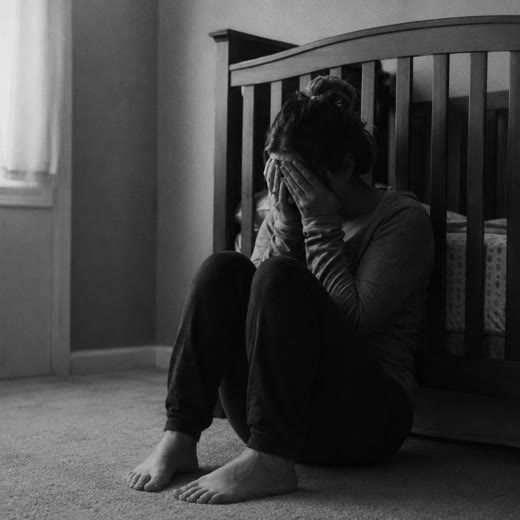
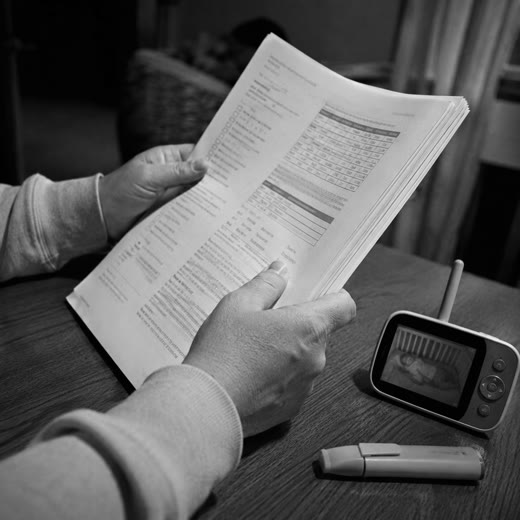
Parent gently soothing an awake baby standing in a dimly lit nursery in the early evening
Rachel Rothman, Co-Founder and Chief Parenting Officer at Betteroo

Written By

Rachel Rothman

Chief Parenting Officer

Dr. Meidad Greenberg, Board-Certified Pediatrician and Pediatric Medical Advisor at Betteroo

Medically Reviewed By

Meidad Greenberg, M.D.

Board-Certified Pediatrician

A false start is when your baby goes down for the night, then wakes fully 30 to 60 minutes later as if the night never started. It is incredibly common and almost always a timing problem: your baby is overtired, undertired, or their bedtime routine ends before they are truly ready to sleep. The fix is usually a small schedule adjustment, not a new sleep problem.

You did everything right. Bath, book, feed, into the crib drowsy, out like a light. Then, 45 minutes later, your baby is wide awake and crying as though it is the middle of the afternoon. Parents often assume something is wrong, but false starts are one of the most predictable hiccups in baby sleep, and they usually have a boring, fixable cause.

This guide explains what a false start actually is, the handful of things that cause it, and a step-by-step way to work through it. Most families solve false starts by adjusting the last wake window before bed, tightening the bedtime routine, or shifting bedtime by 15 to 30 minutes.

Key Takeaways

  • A false start is a full waking 30 to 60 minutes after bedtime, as if the night restarted.
  • The most common cause is timing: the last wake window before bed is too short or too long.
  • An overtired baby produces stress hormones that fragment the first sleep cycle.
  • An undertired baby simply did not have enough sleep pressure to stay down.
  • Hunger, an over-stimulating routine, or too much help falling asleep can all trigger false starts.
  • Most false starts resolve with a 15 to 30 minute bedtime shift and a calmer, consistent routine.

What Is a False Start Bedtime?

A false start is a complete awakening shortly after your baby falls asleep for the night, typically within 30 to 60 minutes. Unlike a normal brief stir at the end of a sleep cycle, a false start looks like a full reset: your baby is properly awake, often crying or fussing, and needs real help to settle again. It usually happens once, early in the night, and then the rest of the night proceeds more normally.

The reason the timing clusters around 30 to 60 minutes is that a baby’s first sleep cycle is short, and the transition between sleep cycles is a natural vulnerable point. If the conditions are not quite right, that first transition is where your baby pops awake instead of gliding into the next cycle.

Quick Answer

A false start is a full waking 30 to 60 minutes after bedtime. It is almost always caused by timing (overtired or undertired), an over-stimulating routine, hunger, or heavy sleep associations, and it usually resolves with a small schedule change.

The Most Common Cause: The Last Wake Window

The stretch of awake time right before bed, the final wake window, is the single biggest lever. If it is too short, your baby does not have enough sleep pressure built up, so they drift off on fumes and wake right back up. If it is too long, your baby becomes overtired, their body releases cortisol and adrenaline to keep going, and those stress hormones make it hard to stay asleep through the first cycle transition.

The last wake window before bed is usually the longest of the day. As a rough starting point, many babies do well with a final wake window of about 2 to 3 hours by 4 to 6 months, 3 to 4 hours by 7 to 10 months, and 4 to 5 hours or more for older babies and toddlers. If false starts are happening, this is the first number to adjust. Our guide to wake windows by age has the full breakdown.

What you seeLikely causeFirst adjustment
Crashes fast, wakes in ~30 minOvertired, last window too longShorten the last window; move bedtime earlier for a few nights
Takes a while to settle, then wakesUndertired, last window too shortLengthen the last window slightly; a later bedtime for a few nights
Wakes hungry, rootingNeeds a top-up feedAdd or move a feed into the bedtime routine
Wound up at bedtimeRoutine too stimulatingDim lights earlier, slow the routine down
Quick triage for a false start bedtime.

Overtired vs Undertired: How to Tell

These are the two big buckets, and they call for opposite fixes, so it is worth telling them apart. An overtired baby often fights the start of bedtime, seems wired or hyper rather than sleepy, crashes suddenly, and then wakes 30 to 45 minutes later. An undertired baby goes down without much protest but takes a long time to actually fall asleep, or falls asleep easily and then wakes because their body simply was not ready for the night.

If you are not sure which one you are dealing with, watch the pattern for two or three nights before changing anything, then adjust in small steps. Our guide to the overtired baby covers the tired-but-wired cues in detail, and if your baby fights sleep at the start, why babies fight sleep may help.

Stuck on the timing?

Betteroo builds a wake-window and bedtime plan around your baby’s exact age and current schedule, so you are not guessing. It takes about two minutes.

Take the Free Sleep Quiz

Other Triggers Worth Checking

An over-stimulating bedtime routine. Bright lights, screens, roughhousing, or a routine that speeds up at the end all leave a baby too alert to stay asleep. A false start is often the tail of a bedtime that was too exciting. Dim the lights 30 to 45 minutes before bed and let the routine wind down, not up.

Hunger. Younger babies especially may go down before they are quite full, then wake for a top-up. Building a feed into the end of the bedtime routine, or offering a dream feed, can close that gap during the months when it applies.

Strong sleep associations. If your baby only falls asleep while being rocked, fed, or held, they may wake at the first cycle transition looking for that same condition to be recreated. Practicing falling asleep in the crib, put down drowsy but awake, gives your baby a way to link sleep cycles independently.

Environment and routine drift. A room that is too bright or too warm, or a bedtime that has quietly wandered 45 minutes later over a couple of weeks, can both produce false starts. Keep the room dark and cool, and keep bedtime consistent within about 30 minutes night to night.

A Simple Plan to Fix False Starts

  • Track for two nights. Note the last wake window, bedtime, how fast your baby fell asleep, and when they woke. The pattern points to the cause.
  • Adjust the last wake window first. Overtired signs, shorten it and move bedtime earlier. Undertired signs, lengthen it slightly.
  • Calm the routine. Dim lights early, cut screens, keep the last steps slow and identical every night.
  • Check hunger. For younger babies, make sure the bedtime feed is a full one.
  • Respond consistently when the false start happens: keep it dark and boring, resettle with your usual approach, and avoid turning it into a full wake-up with lights and play.
  • Give it several nights. Sleep changes need consistency to take hold. Change one thing at a time.

If false starts appear suddenly in a previously good sleeper, consider whether a developmental leap, a nap change, or a sleep regression is in play, and hold your routine steady while it passes.

When to Check With Your Pediatrician

False starts are a scheduling issue, not usually a medical one. Bring it up if you also notice:

  • Snoring, gasping, mouth breathing, or pauses in breathing during sleep.
  • Painful signs at night such as pulling at ears, reflux symptoms, or persistent discomfort.
  • Poor weight gain or feeding difficulties alongside the night waking.
  • Sleep that is worsening across every part of the night despite consistent, sensible timing.

Otherwise, a false start is a normal puzzle to solve with timing and routine, not a sign that anything is wrong with your baby.

Frequently Asked Questions

What is a false start bedtime?

A false start is when your baby falls asleep for the night and then wakes fully 30 to 60 minutes later, as though the night is restarting. It is very common and usually caused by timing, an over-stimulating routine, hunger, or a strong sleep association, rather than by any medical problem.

Why does my baby wake up 45 minutes after going to bed?

The most likely reason is the last wake window before bed. If it was too long, your baby is overtired and stress hormones disrupt the first sleep-cycle transition. If it was too short, your baby lacked the sleep pressure to stay down. Adjusting that final window usually fixes it.

How do I fix false start bedtimes?

Track the last wake window and bedtime for two nights, then adjust: shorten the window and move bedtime earlier for an overtired baby, or lengthen it slightly for an undertired one. Also calm the bedtime routine, make sure your baby is fed, and respond to the waking consistently and boringly.

Is a false start the same as a sleep regression?

No. A false start is a single early-night waking tied to timing or routine. A sleep regression is a broader, temporary stretch of disrupted sleep across the night linked to development. A regression can cause false starts, but a false start on its own usually just means the schedule needs a small tweak.

Should I feed my baby during a false start?

For younger babies who may have gone down before they were full, a top-up feed can help, and building a full feed into the bedtime routine often prevents the waking. For older babies who are eating enough during the day, a feed can become an unhelpful association, so resettle with your usual calm approach instead.

End the 45-minute wake-up

Betteroo pinpoints the wake windows and bedtime that fit your baby, so false starts stop being a nightly mystery. Build your plan in about two minutes.

Take the Free Sleep Quiz

4 Sources
  1. American Academy of Pediatrics, HealthyChildren.org: Healthy Sleep Habits: How Many Hours Does Your Child Need?
    https://www.healthychildren.org/English/healthy-living/sleep/Pages/healthy-sleep-habits-how-many-hours-does-your-child-need.aspx
  2. American Academy of Sleep Medicine: Recommended Amount of Sleep for Pediatric Populations
    https://aasm.org/recommended-amount-of-sleep-for-pediatric-populations-consensus-statement/
  3. Nemours KidsHealth: All About Sleep
    https://kidshealth.org/en/parents/sleep.html
  4. Nemours KidsHealth: Sleep and Your Baby (Naps and Bedtime)
    https://kidshealth.org/en/parents/sleepnewborn.html